

Currently, there is no settled Frontier Airlines carry-on fee lawsuit. A class action lawsuit alleging deceptive baggage fee practices is still pending in U.S. District Court for the Middle District of Florida as of 2026, with no settlement agreement announced yet. The lawsuit, filed in June 2023 by Florida resident Amira Hamad, originally included multiple claims about allegedly misleading advertising and bait-and-switch baggage fee tactics, but has been narrowed to focus primarily on breach of contract allegations. This article explains what the lawsuit alleges, the current status of the litigation, what customers reported about Frontier’s fee practices, and what may happen if the case eventually settles.
The core allegation involves Frontier’s treatment of carry-on bags and personal items. Customers have claimed that Frontier advertised free carry-on bags but allegedly made the definition confusing or misleading, and that the airline’s disclosures about what constitutes a “personal item” versus a “carry-on bag” were deceptive. The lawsuit seeks $100 million in punitive damages plus refunds of disputed fees for affected customers. Because the case is still in litigation, customers should understand both the current status and what may happen if a settlement is eventually reached. If you’ve been charged disputed carry-on or personal item fees by Frontier, you should monitor this lawsuit’s progress and understand your potential eligibility.
Table of Contents
- What Is Frontier Airlines Allegedly Doing With Carry-On and Personal Item Fees?
- The Current Legal Status of the Lawsuit
- What the Lawsuit Alleges About Frontier’s Baggage Fee Practices
- How Much Compensation Are Customers Seeking?
- What Happens If the Lawsuit Settles?
- Other Frontier Settlements and Why Context Matters
- What This Means for Customers Now
What Is Frontier Airlines Allegedly Doing With Carry-On and Personal Item Fees?
Frontier airlines operates a “basic economy” model where customers must pay for baggage that other airlines typically include. The lawsuit alleges that Frontier’s advertising and customer-facing materials created confusion about what is and isn’t free. Specifically, the complaint claims Frontier advertised that customers could bring a “free carry-on bag” but allegedly defined “carry-on bag” in a narrower way than customers expected, or changed those definitions without clear notice.
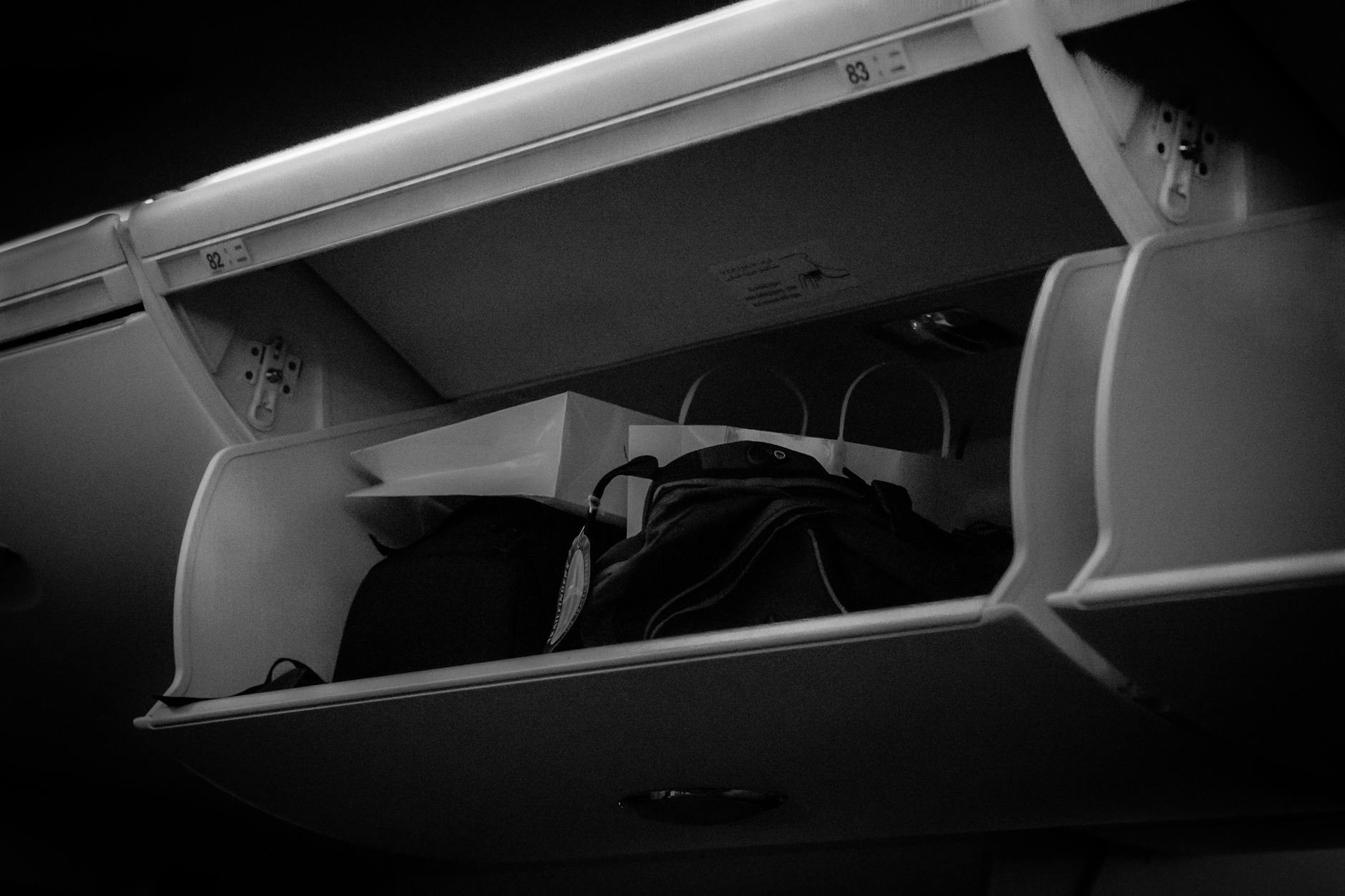
The distinction between a personal item and a carry-on bag matters financially. According to the lawsuit, Frontier charges fees for carry-on bags beyond what fits in the overhead bin, and the definitions of these categories can determine whether a customer is charged. Customers reported being surprised at the airport when they were told their standard-sized bag would incur a carry-on fee, or when the airline enforced size restrictions inconsistently.
The Current Legal Status of the Lawsuit
In September 2024, a magistrate judge significantly narrowed the lawsuit, ruling that most of the original claims were deficient or inadequately pleaded. The class was allowed to continue with a breach of contract claim, which focuses on whether Frontier’s terms and how it applied fees violated the airline’s own contract with customers. Other claims, including those alleging deceptive advertising under consumer protection laws, were substantially limited or removed from the case.
Frontier has filed motions to dismiss the remaining claims, arguing that customers’ disputes are barred by the terms of the airline’s standard passenger agreement and by federal law governing airline operations. The case is still pending, and no settlement discussions have been publicly announced. This means customers should not expect compensation anytime soon, unless settlement negotiations occur or a court rules in favor of the plaintiffs. However, the fact that the breach of contract claim survived the initial dismissal motions suggests the lawsuit has some legal viability.
What the Lawsuit Alleges About Frontier’s Baggage Fee Practices
The lawsuit alleges Frontier engaged in bait-and-switch tactics by advertising free carry-on bags in marketing materials but then charging fees or claiming limitations that customers say were not adequately disclosed upfront. One specific allegation is that Frontier’s definition of what qualifies as a personal item versus a carry-on bag was ambiguous, misleading, or applied inconsistently by airline staff at the gate. A practical example of the type of dispute the lawsuit addresses: A customer might read Frontier’s advertising about a free carry-on bag, book a flight, and then show up at the airport with a carry-on-sized roller bag that they believed would be free.
At the gate, a Frontier agent could tell the customer that the bag exceeds size restrictions or qualifies as a checked item, not a carry-on, and charge a fee. The customer feels misled because the advertising promised a free carry-on. The lawsuit claims this scenario happened to many customers and that Frontier’s disclosures were confusing enough to constitute deceptive advertising or breach of contract.

How Much Compensation Are Customers Seeking?
The lawsuit seeks $100 million in punitive damages, which is the amount sought to punish Frontier for allegedly deceptive practices, plus refunds of all disputed fees charged to class members. The amount of compensation each customer might receive if the case settles depends on several factors: the number of customers who were affected, the total amount of refundable fees that can be documented, and what a court or settlement agreement deems appropriate.
If you paid a carry-on fee that you believed should not have been charged, your potential claim would likely be for the refund of that specific fee amount. However, you would need to demonstrate that you were charged the fee under circumstances the lawsuit describes—being confused by Frontier’s advertising or disclosures about what is free. Simply paying a bag fee because you checked a bag instead of carrying it on would likely not qualify, since checked bags are explicitly not free on Frontier.
What Happens If the Lawsuit Settles?
If the case eventually settles or results in a judgment for customers, Frontier would likely be required to refund disputed fees to class members and potentially pay damages. Settlements in class action cases typically involve a court-approved process where affected customers submit claims documenting the fees they paid. The airline may be required to search its own records for transactions matching the lawsuit criteria, which could simplify the claim process—customers might not need to provide receipts if Frontier’s data already shows the charge.
However, there is a significant limitation: settlement funds do not last forever. In many class action settlements, if not all customers claim their share, the remaining funds may go to related charities, consumer protection organizations, or cy pres awards (funds distributed to related causes). Additionally, settlements typically require claims to be filed within a specific deadline window, often 6 to 12 months after the settlement is approved, so you would need to monitor for settlement announcements and act within that timeframe.

Other Frontier Settlements and Why Context Matters
Frontier has settled labor and operational disputes in recent years, though not directly related to baggage fees. In December 2023, Frontier reached a settlement with five pilots and the EEOC over allegations of pregnancy discrimination and inadequate lactation accommodation policies. In January 2025, Frontier paid $650,000 in civil penalties to the Department of Transportation for chronically delayed flights.
These settlements show that Frontier has faced litigation and regulatory challenges, but they don’t directly affect the carry-on fee lawsuit. Understanding these other cases provides context: Frontier operates in an industry where regulatory and litigation pressure is common. The existence of other settlements doesn’t guarantee the carry-on fee lawsuit will succeed, but it shows that the airline has been subject to legal accountability in other areas.
What This Means for Customers Now
If you have been charged carry-on or personal item fees by Frontier and believe the charges were unfair or based on misleading advertising, you should document those charges and keep your receipts or booking confirmations. If this lawsuit eventually settles or succeeds, your ability to claim a refund may depend on having evidence of the disputed fee.
Going forward, customers booking Frontier should carefully review the airline’s current baggage policies on its website and at the point of purchase. Frontier’s pricing model is transparent in its written terms, but disputes often arise from the gap between advertising, written terms, and gate-level enforcement. Until the carry-on fee lawsuit is resolved, customers should be aware that Frontier’s policies remain in effect and the airline continues to enforce its baggage fee structure as written.
You Might Also Like
- United Airlines Ticket Change Fee Settlement Explained What Customers Can Claim
- Uber Eats Delivery Fee Lawsuit Settlement Explained What Customers Could Receive
- Squarespace Billing Lawsuit Settlement What Users Can Claim
Open Settlements You Can Claim Now
Browse current class action settlements accepting claims — several require no proof of purchase: