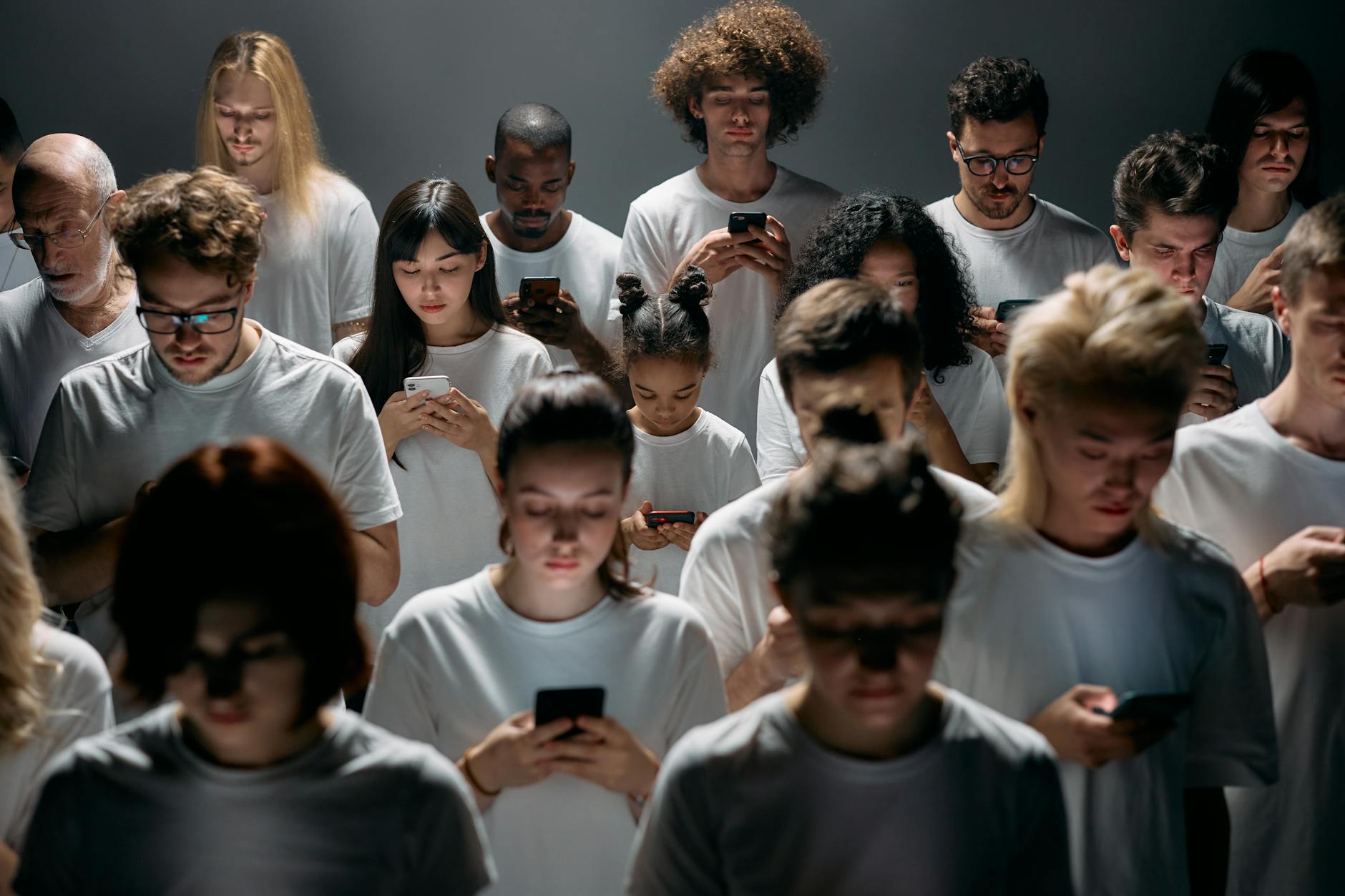
As of March 25, 2026, the landmark KGM v. Meta and YouTube trial remains unresolved after eight days of jury deliberations. The Los Angeles Superior Court jury has signaled difficulty reaching a verdict on at least one of the defendants, and the judge instructed jurors to continue their deliberations—a critical moment that leaves the outcome of one of the most significant social media addiction cases still uncertain. If jurors cannot reach consensus, the trial could face a partial retrial on the deadlocked defendant, further delaying a verdict that could reshape how social media platforms face liability for harm to young users.
The case centers on K.G.M., a 20-year-old from Chico, California, who began using YouTube at age six and Instagram at age nine. She alleges that both platforms’ algorithmic design deliberately fostered compulsive use patterns and contributed to body dysmorphia, anxiety, depression, and suicidal ideation. The trial featured testimony from addiction experts, mental health therapists, former platform engineers, and company executives including Meta CEO Mark Zuckerberg. Meanwhile, TikTok and Snapchat avoided trial entirely by reaching confidential settlements with K.G.M. before testimony began.
Table of Contents
- Why Is the Jury Struggling to Reach a Verdict in the KGM Trial?
- What Specific Harms Does K.G.M. Claim the Platforms Caused?
- How Do TikTok and Snapchat’s Settlements Affect This Case?
- What Did the New Mexico Verdict Reveal About Meta’s Liability?
- What Is the Full Scale of Pending Social Media Addiction Litigation?
- What Evidence Did Trial Testimony Reveal About Platform Design?
- What Happens If the Jury Remains Deadlocked?
Why Is the Jury Struggling to Reach a Verdict in the KGM Trial?
After eight days of deliberations, jurors have communicated to the court that they are having difficulty agreeing on liability, specifically regarding at least one of the two defendants (Meta and YouTube). The judge responded by issuing what’s known as an “Allen charge”—an instruction encouraging jurors to continue deliberating and to listen carefully to one another’s perspectives. This is a standard judicial response to jury deadlock, but it signals a concerning development for either side: if jurors remain divided, a mistrial on the deadlocked defendant would be declared, requiring a new trial solely on that defendant’s liability.
The complexity of the case helps explain the jury’s struggle. The trial required jurors to understand platform architecture, algorithmic recommendation systems, internal company documents, expert testimony on addiction mechanisms, and the causal relationship between specific design features and a young user’s psychological harm. Unlike cases involving a clear defect or injury, social media addiction liability requires proving that platforms knowingly designed addictive systems and that those systems caused documented harm to the plaintiff. Getting twelve jurors to unanimously agree on such complex causality is notoriously difficult, as demonstrated by hung juries in other high-profile product liability cases.

What Specific Harms Does K.G.M. Claim the Platforms Caused?
K.G.M.’s case details a progression of psychological injuries allegedly linked to her intensive use of YouTube and Instagram starting in early childhood. She claims the platforms’ design—including infinite scroll, algorithmic feeds optimized for engagement, and algorithmically amplified beauty and comparison content—directly contributed to body dysmorphia, anxiety, depression, and at one point, suicidal ideation. The trial presented evidence that K.G.M. spent excessive hours on these platforms daily, and experts testified that the platforms’ design deliberately maximized time spent, mimicking techniques used in gambling and drug addiction research.
However, proving direct causation between platform use and mental health outcomes is complicated. Multiple factors influence adolescent mental health, including genetics, peer relationships, family dynamics, and offline stressors. The plaintiff’s legal team had to demonstrate not just that K.G.M. used the platforms extensively, but that the platforms’ *specific design choices*—rather than general internet use or social comparison more broadly—caused her injuries. Expert testimony from addiction specialists and neuroscientists addressed this by presenting research on how social media algorithms are specifically engineered to exploit psychological vulnerabilities in developing brains.
How Do TikTok and Snapchat’s Settlements Affect This Case?
Before the trial even began, TikTok and Snapchat reached confidential settlements with K.G.M., meaning they agreed to pay compensation without admitting liability or going to trial. This left only Meta and YouTube as defendants in the courtroom, simplifying the case but also creating an unusual situation: the plaintiff already recovered compensation from two major social media platforms while the jury deliberates on the remaining two. The terms of these settlements remain private, but their existence signals that at least two platforms concluded that settling was more advantageous than facing a jury.
These pre-trial settlements carry strategic weight for the remaining defendants. Some observers argue that platforms are likely to view jury verdicts or settlements in this case as a precedent for how much liability they face in the broader landscape of social media addiction litigation. If Meta and YouTube face a significant judgment, similar platforms may reassess their own risk exposure. Conversely, if the jury deadlocks or returns a defense verdict, platforms may feel emboldened to litigate similar cases aggressively rather than settle.
What Did the New Mexico Verdict Reveal About Meta’s Liability?
Just one day before the KGM jury began deliberating, on March 24, 2026, a New Mexico jury made a separate but parallel finding: Meta violated state law and knowingly harms children’s mental health. More specifically, the jury determined that Meta concealed knowledge of child sexual exploitation occurring on its platforms. This verdict, though addressing a slightly different legal theory than K.G.M.’s addiction claims, strengthens the overall narrative that Meta failed to protect young users from harm and suppressed internal knowledge of the dangers its platforms pose.
The timing of the New Mexico verdict is significant for the KGM jury. Although juries are typically instructed to base verdicts solely on the evidence presented in their own case, the public announcement of another jury’s finding against Meta on child safety grounds may influence how jurors in Los Angeles perceive Meta’s credibility and conduct. Defense attorneys for Meta likely sought to limit jurors’ exposure to news about the New Mexico case for exactly this reason. The New Mexico verdict also provides a template: if a jury can find Meta liable for concealing knowledge of harms to children, the same legal theory could apply to concealed knowledge of addiction risk.
What Is the Full Scale of Pending Social Media Addiction Litigation?
The KGM case is not an isolated lawsuit—it is the headline case in a massive consolidation. As of March 2, 2026, the MDL-3047 (In Re: Social Media Adolescent Addiction/Personal Injury Products Liability) contained 2,407 pending lawsuits. Beyond the MDL, approximately 10,000 individual social media addiction cases are pending nationwide, and nearly 800 school district claims have been filed seeking damages for disruption to education and student mental health crises. Additionally, more than 40 state attorneys general have filed lawsuits against Meta specifically, alleging that the company’s platforms harm children and adolescents.
The sheer volume of litigation creates significant pressure on both plaintiffs’ attorneys and defendants’ legal teams. A verdict or settlement in KGM could serve as a bellwether—a case whose outcome influences how hundreds of similar cases resolve. If Meta faces a large judgment, settlement values in pending cases may rise, and vice versa. This is why the current jury deadlock is so consequential: every day the jury deliberates without reaching consensus increases uncertainty for the thousands of plaintiffs waiting for their own cases to advance.

What Evidence Did Trial Testimony Reveal About Platform Design?
The trial featured expert testimony from addiction specialists who explained how social media algorithms exploit the same reward mechanisms that make gambling and substance use addictive. Specifically, experts testified that Instagram and YouTube’s recommendation systems use real-time behavioral data to serve content that maximizes time spent on the platform, rather than content users explicitly requested. Former platform engineers provided technical details on how algorithms rank content, optimize for “engagement” (defined as time spent, likes, and shares), and deliberately create infinite scroll experiences that discourage users from leaving.
Mark Zuckerberg’s testimony addressed Meta’s awareness of these design effects. Deposition excerpts and internal Meta documents presented during trial showed that the company conducted research on how its products affect adolescent mental health and, according to plaintiffs’ arguments, suppressed or downplayed concerning findings. Defense attorneys countered that Meta made reasonable design choices, that the platforms offer tools for users to limit their time, and that parents bear responsibility for monitoring children’s use. Zuckerberg testified that Meta cares about young users’ wellbeing, but the trial presented evidence that financial incentives (more time spent equals more advertising revenue) create a structural conflict of interest.
What Happens If the Jury Remains Deadlocked?
If jurors cannot reach unanimity on one or both defendants, the judge will declare a mistrial on the deadlocked defendant. This would result in a new trial, likely scheduled months or years later, focusing solely on that defendant’s liability. A mistrial is neither a win nor a loss—it is a reset. For the plaintiff, it means another expensive, time-consuming trial.
For the defendants, it means continued litigation expense and reputational risk but also another opportunity to present their case to a fresh jury. For the broader litigation landscape, a mistrial creates additional uncertainty: it provides no binding precedent, and settlement discussions may stall while both sides gauge whether juries will eventually find liability. If the jury does reach a verdict before declaring deadlock, that outcome becomes the first major jury decision on social media addiction liability. A plaintiff verdict could accelerate settlements in the 2,407 pending MDL cases and the 10,000+ individual lawsuits, potentially creating a template for damages (linking mental health injuries to algorithmic design). A defense verdict, conversely, would embolden platforms to contest similar claims aggressively, likely delaying resolution of pending cases by years.
You Might Also Like
- Social Media Addiction Trial Continues Without Verdict as Jury Deliberates
- Social Media Addiction Trial Continues Without Jury Verdict
- Social Media Addiction Trial Update: Jury Still Deliberating Without Verdict
Open Settlements You Can Claim Now
Browse current class action settlements accepting claims — several require no proof of purchase: