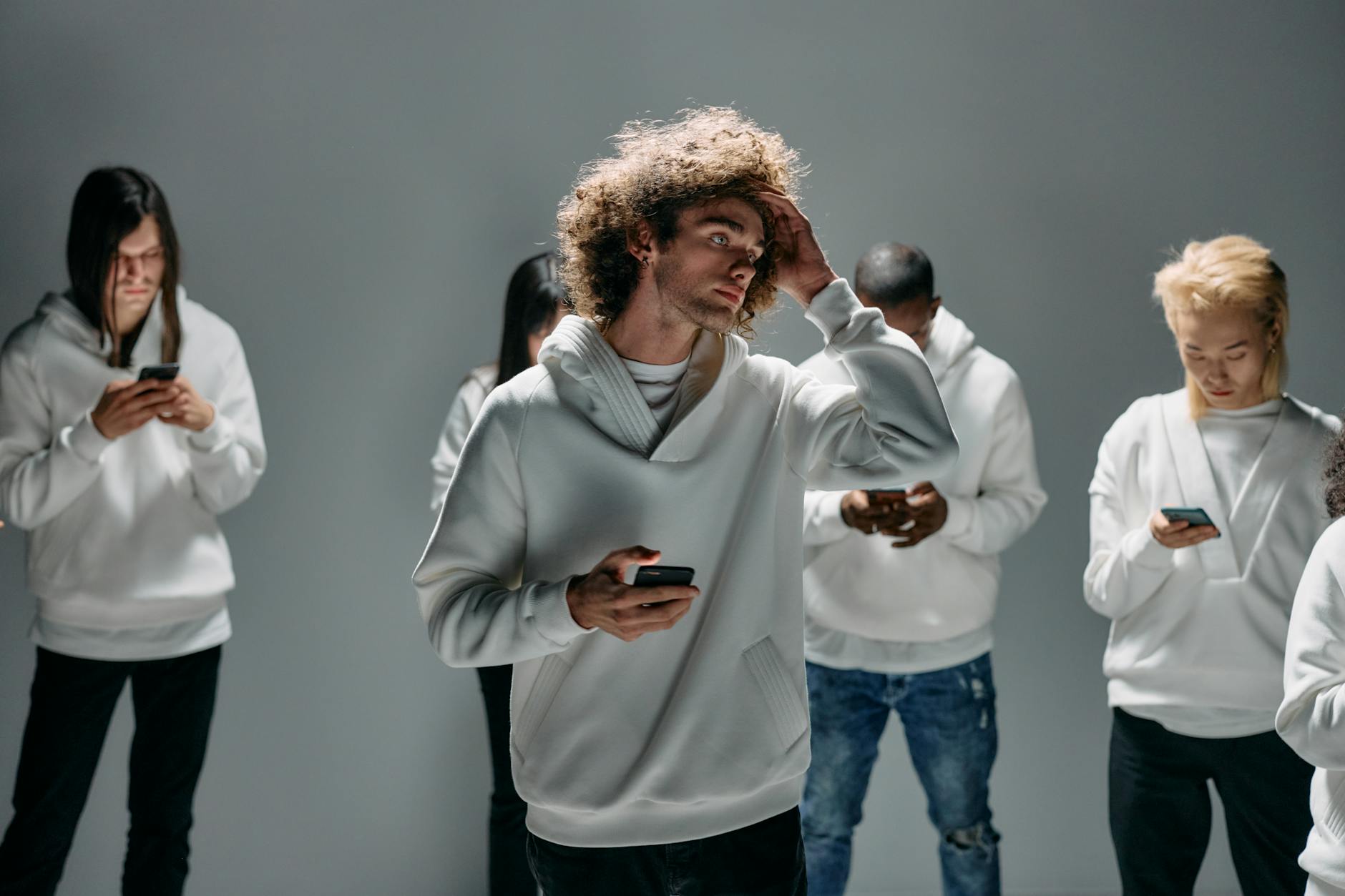
As of March 24, 2026, the landmark social media addiction trial in Los Angeles remains deadlocked, with jurors unable to reach a verdict after more than eight days of deliberation. The jury began their deliberations on the morning of March 13, 2026, and by March 23, jurors explicitly reported difficulty reaching consensus on liability and damages against Meta and YouTube. The case centers on a 20-year-old plaintiff from Chico, California, who became addicted to social media as a teenager after uploading hundreds of videos, raising critical questions about whether major tech platforms bear responsibility for the psychological harms of their addictive features.
The continued deliberation without resolution highlights the complexity of holding social media platforms legally accountable for addiction-like behaviors. This is not a simple negligence case—jurors are wrestling with questions about causation, design intent, and the boundaries of corporate liability in the digital age.
Table of Contents
- How Long Has the Jury Deliberated in the Social Media Addiction Trial?
- What Makes This Case So Difficult for the Jury to Decide?
- Who Are the Defendants and Why Did Some Companies Settle Before Trial?
- What Happens If the Jury Cannot Reach a Verdict?
- How Many Other Lawsuits Are Waiting for This Verdict?
- What the Plaintiff’s Case Reveals About Social Media Use Among Teenagers
- What’s Next for Social Media Addiction Litigation?
How Long Has the Jury Deliberated in the Social Media Addiction Trial?
The jury has now deliberated for more than eight days without reaching a verdict, beginning their deliberations on March 13, 2026. Each day, jurors return to discuss the evidence presented throughout the trial, attempting to weigh testimony from addiction experts, former meta and YouTube employees, and the plaintiff himself. The extended deliberation period is significant: most civil jury cases reach verdicts within three to five days, meaning this jury’s timeline suggests either serious disagreement among jurors or genuine difficulty applying the law to unprecedented facts.
On March 23, 2026—nearly two weeks after the jury’s first day of deliberations—judges received formal notification that jurors were struggling to find consensus. Rather than rushing to a decision, the court has allowed deliberations to continue, a sign that Judge Carolyn B. Kuhl recognizes the case’s unprecedented nature and the jurors’ commitment to reaching a fair resolution.

What Makes This Case So Difficult for the Jury to Decide?
The social media addiction trial presents jurors with a novel legal question: Can social media platforms be held liable when their products are designed with features that exploit psychological vulnerabilities, particularly in teenagers? This differs from traditional product liability cases—the “product” here is a free service, and the harm isn’t physical injury but psychological dependency and emotional distress. Jurors must grapple with competing arguments. The plaintiff’s legal team argues that Meta and YouTube deliberately engineered addictive features—infinite scroll, algorithmic feeds, notification systems—knowing these would harm young users.
The defendants counter that users choose to engage with their platforms, that parents bear responsibility for monitoring use, and that correlation between social media use and mental health issues doesn’t prove causation. However, if jurors believe social media companies knowingly designed addictive features targeting minors’ developing brains, they face the challenge of calculating appropriate damages. There’s no established framework for valuing psychological addiction claims, making consensus even harder to reach.
Who Are the Defendants and Why Did Some Companies Settle Before Trial?
Meta Platforms (parent company of Facebook and Instagram) and youtube remain the two defendants actively defending against the lawsuit. However, TikTok and Snap settled their claims before trial began, a decision that likely influences how jurors view the remaining defendants.
By settling, TikTok and Snap avoided public testimony about their platform’s algorithms and design choices, sparing themselves the reputational harm of a trial while also signaling to jurors that at least some major social media companies found the plaintiff’s allegations credible enough to warrant settlement. Meta and YouTube’s decision to proceed to trial suggests they believe their legal defenses are strong, or they view a public fight as preferable to acknowledging liability. Both companies have argued that teenage addiction to their platforms is not a legal injury they can be held responsible for, pointing to First Amendment protections and the plaintiff’s own choices as countervailing factors.

What Happens If the Jury Cannot Reach a Verdict?
Judge Carolyn B. Kuhl has already stated that if the jury deadlocks on either defendant, the case will require at least a partial retry. This means that if jurors cannot unanimously agree on Meta’s liability but do agree on YouTube’s, only Meta’s case would be retried with a new jury.
Alternatively, a complete deadlock on all defendants would result in a mistrial, requiring the entire trial to restart from the beginning. A mistrial would not end the litigation—it would simply delay resolution. The plaintiff could request another trial, defendants might pursue appeals, or the parties could negotiate a settlement. The cost and uncertainty of retrials put significant pressure on defendants to negotiate and significant use in the plaintiff’s hands, which may explain why TikTok and Snap settled before facing a jury.
How Many Other Lawsuits Are Waiting for This Verdict?
Over 2,000 pending lawsuits hinging on this jury’s decision is the trial’s most consequential aspect. These cases involve similar claims—that social media platforms’ addictive design harms teenagers’ mental health—filed across the United States.
If the jury rules against Meta and YouTube, these plaintiffs gain enormous advantage in their own cases, as they can point to a jury’s finding that major platforms did indeed design addictive features knowingly and bear legal responsibility. Conversely, if the jury sides with the defendants, the 2,000-plus pending cases could face summary dismissal. This single jury’s verdict will essentially determine whether social media addiction is a compensable legal injury in American courts, making their deliberation truly historic for consumers, tech companies, and the legal landscape surrounding digital product design.

What the Plaintiff’s Case Reveals About Social Media Use Among Teenagers
The plaintiff in this case is a 20-year-old from Chico, California, who became deeply involved with social media as a teenager, uploading hundreds of videos to platforms. His experience illustrates the core issue: a young person with a developing brain engaged with algorithmically optimized content feeds designed to maximize engagement and time spent on platform.
Whether that engagement was choice or addiction—a question of legal liability—is precisely what jurors are deliberating. The plaintiff’s testimony, along with expert testimony about teenage neurodevelopment and how social media platforms exploit reward centers in the brain, forms the evidence basis for the claim that platforms bear responsibility. The jury must decide whether his social media use constitutes an injury that platforms caused or a behavioral choice for which platforms cannot be held liable.
What’s Next for Social Media Addiction Litigation?
Regardless of this jury’s verdict, social media addiction litigation is unlikely to disappear. If plaintiffs win, expect a surge in similar cases and increased regulatory scrutiny of platform design features. If defendants win, plaintiffs’ attorneys will still pursue settlements in high-profile cases and may focus on regulatory avenues—state legislatures have begun considering bills that would restrict how platforms market to minors.
The longer-term outcome may not depend solely on this jury’s verdict. Legislative bodies in California and other states are already moving toward regulating social media design for minors, potentially creating liability regardless of how civil courts rule. This trial is one data point in an evolving conversation about tech company responsibility.
You Might Also Like
- Social Media Addiction Trial Continues Without Final Jury Decision
- Social Media Addiction Trial Update: Jury Has Not Reached Verdict Yet
- Social Media Addiction Trial Update: Jury Has Not Reached Verdict
Open Settlements You Can Claim Now
Browse current class action settlements accepting claims — several require no proof of purchase: