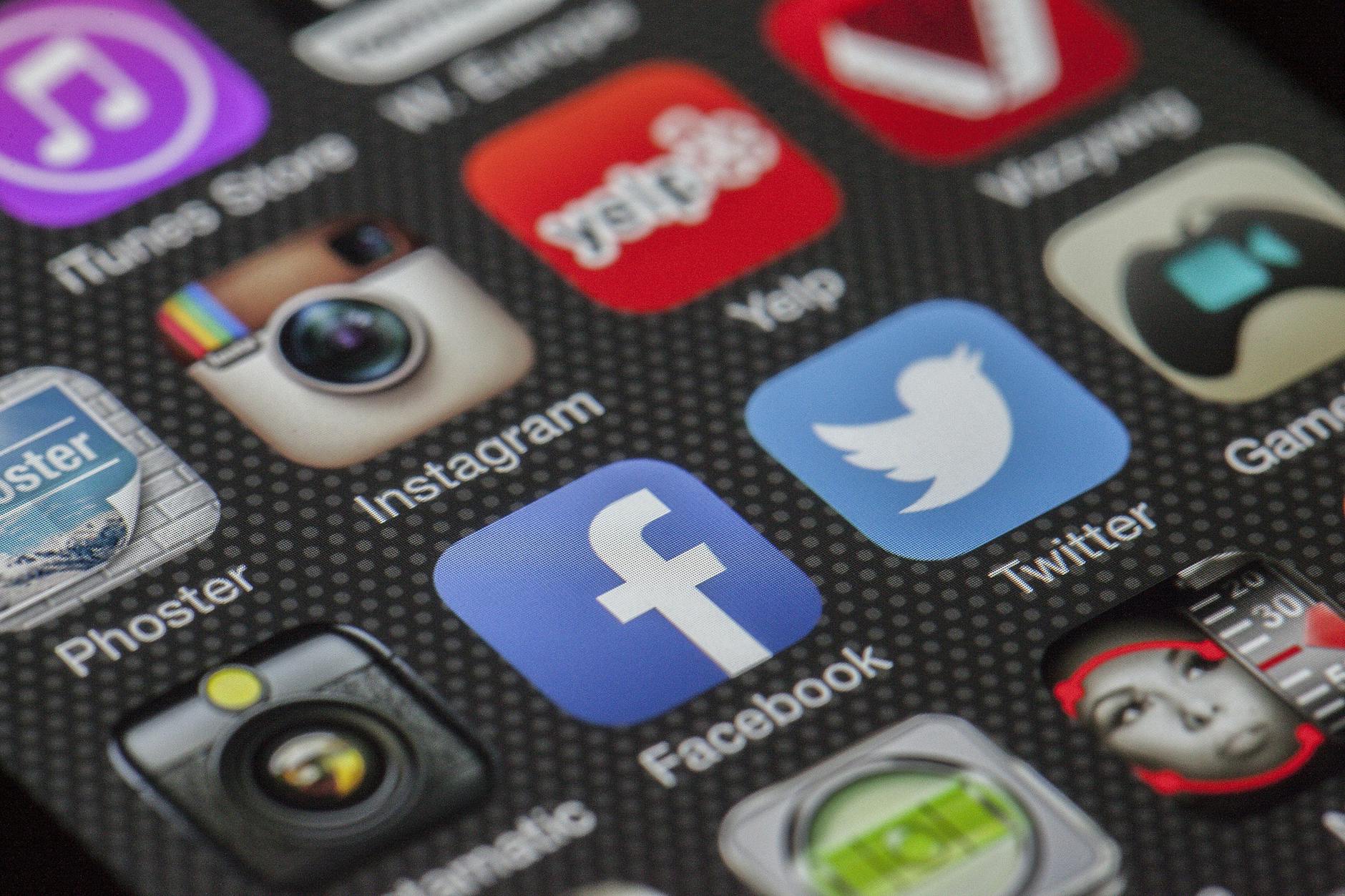
As of March 25, 2026, the jury in a landmark social media addiction trial remains deadlocked after more than eight days of deliberations, with no verdict yet reached. The case, which alleges that Meta (Facebook and Instagram) and YouTube deployed deliberately addictive practices targeting young users, has captured national attention as the first major lawsuit of its kind to reach a jury verdict. The jury has already indicated difficulty reaching consensus to the judge, who has instructed them to continue deliberating on Monday after the initial impasse. This trial represents a critical moment for social media regulation and accountability.
A 20-year-old plaintiff identified as K.G.M. (referred to as “Kaley” by her legal team) claims that early exposure to these platforms caused severe addiction that disrupted her education and mental health. If the jury reaches a verdict in her favor, it could open the floodgates for hundreds of similar pending lawsuits currently waiting in courts across the country.
Table of Contents
- Where Does the Jury Stand After 8 Days Without a Verdict?
- Trial Timeline: From Closing Arguments to Jury Deadlock
- What Exactly Is the Jury Deciding?
- The Broader Context: Hundreds of Similar Cases Awaiting Trial Outcomes
- Judge’s Retrial Warning: What Happens If the Jury Fully Deadlocks?
- What the Defendants Are Arguing and Why the Jury May Be Split
- What Comes Next: The Path Forward in a Landmark Trial
Where Does the Jury Stand After 8 Days Without a Verdict?
The jury has been deliberating for more than eight days as of March 24-25, 2026, signaling a deeply divided panel struggling to reach consensus on critical questions of liability and damages. On Friday, March 24, the panel formally told the judge that they were having difficulty coming to a consensus, prompting Judge Carolyn B. Kuhl to instruct them to return and continue deliberating on Monday. This move—often called a “partial Allen charge”—is a judicial technique where judges encourage jurors to continue their work rather than immediately declare a mistrial, though it carries risks of coercing agreement in cases where genuine disagreement exists. What makes this deadlock particularly significant is that the jury has already moved beyond the liability phase and is now considering financial damages—meaning they have apparently reached some level of agreement that the defendants bear responsibility for the plaintiff’s harm.
However, they remain unable to agree on the amount of compensation owed or, possibly, on full liability against both defendants. The progression past liability suggests the core dispute may be quantitative rather than a fundamental disagreement about whether social media companies acted wrongfully. Judge Kuhl has made clear that a complete deadlock will require at least a partial retrial. If the jury cannot agree on liability for meta, a new trial would be necessary for Meta specifically. The same applies to YouTube. This contingency has added urgency to the deliberations, as a mistrial would mean starting from scratch with months of testimony and closing arguments repeated all over again—a costly outcome for both plaintiffs and defendants.

Trial Timeline: From Closing Arguments to Jury Deadlock
Closing arguments in the case were delivered on March 12, 2026, setting the timer for jury deliberations that began shortly thereafter. The trial itself lasted several weeks, with the plaintiff’s legal team presenting expert testimony on social media’s addictive design patterns, internal company research allegedly showing awareness of harm, and the plaintiff’s own testimony about her struggles with phone and app addiction beginning in early adolescence. The defendants presented their own experts arguing that social media use is voluntary, that the platforms include parental controls and wellness features, and that addiction claims are not scientifically established. The thirteen-day gap between closing arguments and the jury’s first indication of trouble (March 24-25) suggests the jurors took their work seriously, attempting thorough deliberations rather than rushing to a quick verdict.
However, the fact that they signaled deadlock concerns so explicitly after more than a week indicates genuine, principled disagreement among panel members—not merely slow progress. Some jurors may believe the evidence of deliberate manipulation is clear-cut; others may find it ambiguous or insufficient. This timeline is particularly important because it occurs during a period when hundreds of similar cases are queued up in courts nationwide. Legal experts and industry observers have been closely watching this trial specifically because it represents the first to reach a jury, meaning the verdict (or the deadlock itself) could significantly influence how courts handle subsequent social media addiction cases. A quick verdict either way might have provided clarity to the legal landscape; the current impasse has created uncertainty.
What Exactly Is the Jury Deciding?
The jury’s task breaks down into two distinct phases: liability and damages. On the liability side, they must determine whether Meta and YouTube’s business models, algorithm design, and marketing practices constitute negligence, intentional harm, or violations of consumer protection laws. This involves weighing evidence about whether the platforms’ engineers deliberately designed addictive features, whether the companies hid negative research from regulators and the public, and whether the plaintiff’s harm was a foreseeable result of those design choices. The damages phase—which the jury appears to have already entered—requires quantifying the plaintiff’s actual losses.
This includes medical and psychiatric treatment costs, lost educational opportunities (if her addiction prevented her from completing school or pursuing certain programs), diminished earning capacity over her lifetime, and pain and suffering. In addiction cases, damages can be substantial; a young person whose formative years are disrupted by addiction may have decades of reduced earning potential or increased mental health expenses. However, the jury’s movement into damages doesn’t necessarily mean they’ve unanimously agreed on liability. It’s possible that they’ve agreed on liability against one defendant (say, Meta) but remain split on YouTube, or they’ve agreed on a lesser degree of liability that some jurors wanted to find. These detailed disagreements can produce deadlock even when jurors aren’t fundamentally divided on the case’s outcome.

The Broader Context: Hundreds of Similar Cases Awaiting Trial Outcomes
This case doesn’t exist in isolation. Hundreds of lawsuits alleging social media addiction, mental health harm from social media use, and predatory design practices are currently pending in courts across the United States. Many of these cases have been consolidated or are on parallel tracks, waiting to see how this pioneering trial concludes before proceeding. If the jury in this case reaches a clear verdict in the plaintiff’s favor, it could validate legal theories that many other plaintiffs’ attorneys have been arguing, accelerating settlement negotiations and future trials. Conversely, if the jury deadlocks or returns a verdict for the defendants, it sends a signal that addiction claims are difficult to prove in court, even with sympathetic plaintiffs and extensive expert testimony.
Meta and YouTube’s legal teams are acutely aware that this case’s outcome will influence thousands of other decisions—their own litigation strategy and any settlement posture are shaped by this awareness. For this reason, both sides have invested heavily in jury selection, expert witnesses, and presentation, knowing the precedent at stake. Industry analysts and regulatory bodies are also watching closely. If the jury verdict supports the plaintiff, it could accelerate calls for legislative restrictions on algorithmic recommendation systems, age-based consent requirements, or mandatory addiction disclosures similar to tobacco warnings. If the jury cannot agree or sides with the defendants, it may give platforms confidence in their legal position and reduce the urgency of self-regulation.
Judge’s Retrial Warning: What Happens If the Jury Fully Deadlocks?
Judge Carolyn B. Kuhl has been explicit: if the jury becomes fully deadlocked and cannot reach unanimous agreement on any issue, the case will not end with a mistrial and simple dismissal. Instead, at least a partial retrial will be required. In legal terms, this means the case will be reset, a new jury will be impaneled, and the entire trial process—testimony, evidence presentation, and closing arguments—will occur again for the components on which the first jury could not agree. A partial retrial is more efficient than a complete retrial.
If the jury agrees on liability against Meta but deadlocks on YouTube, only YouTube’s liability would need to be relitigated. However, even a partial retrial represents a significant investment of court time, attorney resources, and judge availability. Courts are generally reluctant to declare a mistrial when jurors have already invested weeks of work, and judges often encourage continued deliberation precisely to avoid this outcome. The retrial possibility creates an incentive for both sides to negotiate or for jurors to compromise. However, it can also backfire—if jurors feel pressured to agree against their true judgment, any resulting verdict may be more vulnerable to appeal and reversal. The plaintiff’s legal team is undoubtedly hoping jurors reach a genuine consensus; a verdict that later appears coerced can be as harmful as a deadlock.
What the Defendants Are Arguing and Why the Jury May Be Split
Meta and YouTube have maintained that social media use is voluntary, that users choose to engage with their platforms, and that the presence of addictive features doesn’t constitute illegal harm. Their defense hinges on the argument that teenagers have agency, that parents can monitor usage, and that the platforms include wellness features like screen time trackers and notification reduction tools. They’ve also argued that “addiction” to social media is not a medically recognized diagnosis in the same way that substance addiction is, making the plaintiff’s claims difficult to substantiate in legal terms. The jury’s difficulty may stem from the legitimacy of these counterarguments. Some jurors may believe that while social media’s design is manipulative, it doesn’t rise to the level of intentional fraud or negligence because users aren’t forced to use the platforms.
Others may accept that the platforms are addictive but question whether that constitutes legal liability. The distinction between “engaging product design” and “predatory design intended to manipulate vulnerable users” is precisely the kind of gray-area judgment that often produces jury deadlock. Additionally, if the jury is split between liability for Meta versus YouTube, that could reflect different assessments of evidence against each company. The trial may have presented stronger evidence of Meta’s internal research showing awareness of harm, while YouTube’s culpability might be less clear. A jury could unanimously find Meta liable while remaining divided on YouTube, or vice versa.
What Comes Next: The Path Forward in a Landmark Trial
If the jury reaches a verdict in the coming days or weeks, it will set a precedent that reverberates across the legal system. A win for the plaintiff would validate the legal theory that social media platforms can be held liable for addiction-like harms and would likely trigger a wave of settlements and new filings. A win for the defendants would suggest that addiction claims, as currently framed, don’t meet the legal standard of proof required in civil court—though it wouldn’t necessarily end all litigation, as future cases might be structured differently.
If the jury remains fully deadlocked and a mistrial is declared, both sides face strategic decisions. The plaintiff might choose to proceed with a retrial, believing they can convince a second jury of the same facts, or might pursue settlement negotiations. The defendants might use the deadlock as evidence of the weakness of addiction claims and offer a smaller settlement, or might invest in another trial defense. What’s certain is that the social media addiction litigation landscape remains unsettled, and this jury’s ultimate decision—or indecision—will shape how courts treat these cases for years to come.
You Might Also Like
- Social Media Addiction Trial Update: Jury Still Deliberating
- Social Media Addiction Trial Update: Jury Has Not Reached Verdict
- Social Media Addiction Trial Continues Without Verdict as Jury Deliberates
Open Settlements You Can Claim Now
Browse current class action settlements accepting claims — several require no proof of purchase: