

Yes, the Dollar General overcharge settlement worth $8.5 million in consumer claims is currently accepting claims, with a filing deadline of April 13. If you shopped at Dollar General between October 10, 2016 and November 19, 2025, you may be eligible for compensation. For example, a customer who filed a complaint with their state’s consumer protection office about being overcharged on grocery or household items during this nine-year window could receive between $10 and $20 per household, depending on whether they reported the overcharge to authorities or Dollar General directly.
The total settlement is valued at $15 million, with $8.5 million designated for customer payments and $6.5 million allocated toward operational improvements to prevent future pricing errors at Dollar General locations. The settlement emerged from allegations that Dollar General engaged in systematic overcharging practices at its stores. Rather than admit wrongdoing, the company agreed to the settlement to resolve the claims.
Table of Contents
- Who Qualifies for the Dollar General Settlement and What Claims Look Like
- How Much Money Can You Get from the Settlement
- How to File Your Claim and What the Process Involves
- The Deadline and Why You Can’t File Late
- What Documentation Dollar General and the Settlement Administrator Will Ask For
- The In-Store $3 Discount Option and When It Makes Sense
- Dollar General’s Operational Changes and What This Means Going Forward
- Frequently Asked Questions
Who Qualifies for the Dollar General Settlement and What Claims Look Like
Any customer who made purchases at Dollar General locations during the October 10, 2016 through November 19, 2025 eligibility period can potentially be part of this settlement. The class is broadly defined—you don’t need to prove you were overcharged to be a class member. However, to receive actual compensation, you typically need to file a claim demonstrating that you either reported an overcharge to a government agency (like your state’s consumer protection office) or directly to Dollar General.
In practice, this means a customer who noticed incorrect pricing at checkout, reported it to Dollar General’s store manager at the time, and kept documentation of that interaction would have a stronger claim than someone who simply paid the overcharge without reporting it. Dollar General is using customer data to identify and notify eligible parties, so eligible customers may receive email notifications alerting them to the settlement. If you received such a notification, it’s a strong signal that the settlement identified you based on your purchase history during the covered period.

How Much Money Can You Get from the Settlement
The compensation structure offers multiple pathways to receive money, though the amounts vary based on your documentation. The base compensation tier provides up to $10 per verified complaint filed with a government agency or Dollar General. However, the household cap is important to understand: the maximum per household is $20, even if multiple household members filed complaints. This means if both you and your spouse filed separate complaints about overcharges, you’d be limited to $20 total for the household, not $20 each.
If your actual overcharge exceeded the $10 baseline, you can receive a higher amount—specifically the actual overcharge amount if you can document it. This is the critical opportunity many claimants overlook. For instance, if you have a receipt showing you were charged $15 more than the advertised price for a bulk purchase of items, you would submit a claim for $15 rather than the $10 minimum. The settlement requires proof of the complaint filing (such as correspondence with a consumer protection office or Dollar General) to receive the maximum amounts, so documentation matters considerably. There’s also an in-store benefit option: eligible customers receive a $3 discount on their first purchase of $10 or more (pre-tax) during a two-day promotional window, which is an alternative or supplement to cash compensation.
How to File Your Claim and What the Process Involves
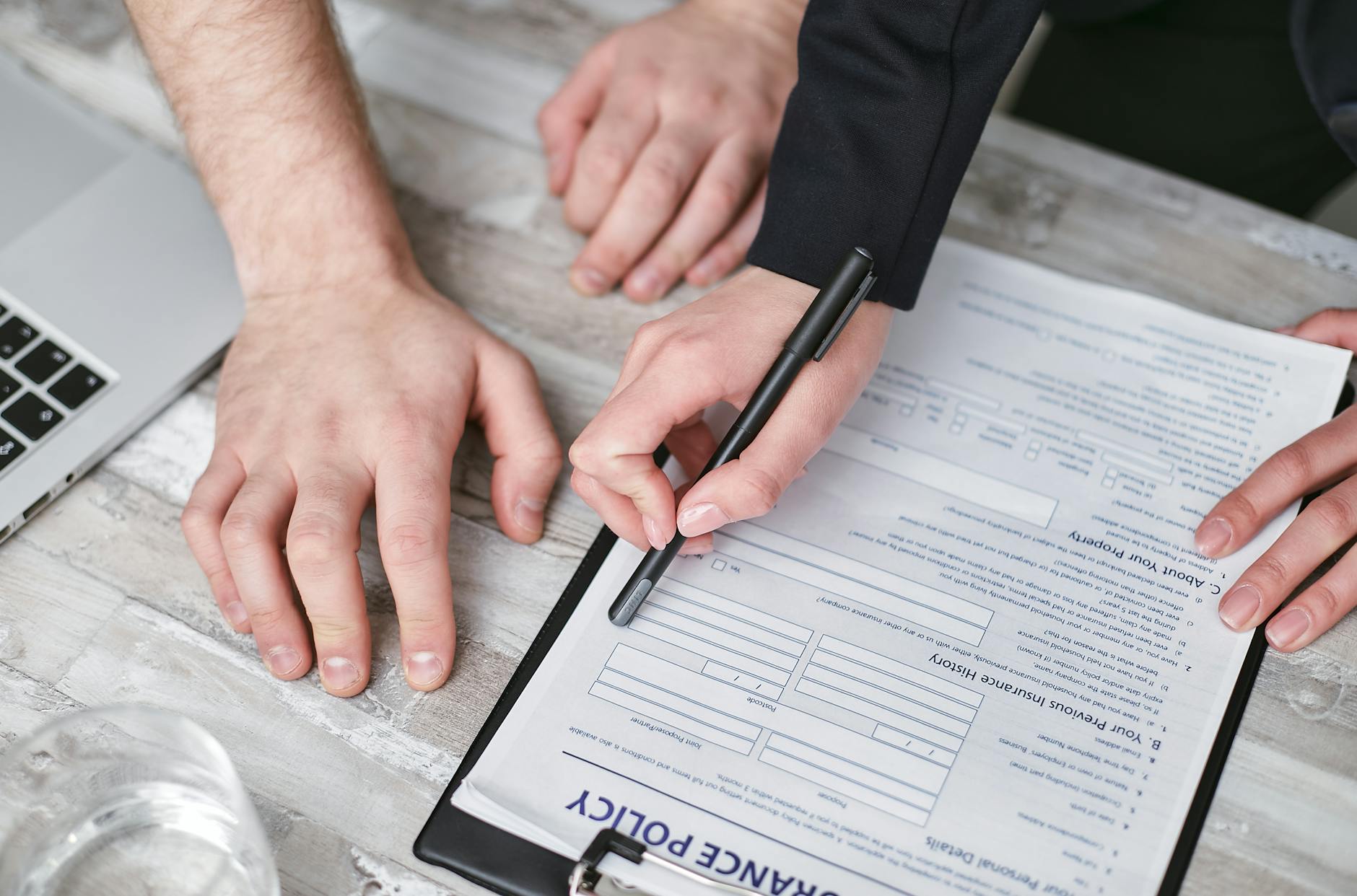
Filing a claim starts with checking your email for settlement notifications from Dollar General or the settlement administrator. If you don’t see a notification but believe you’re eligible based on shopping at Dollar General during the covered period, you can likely file a claim directly through the settlement website. The process is typically straightforward: provide your basic information, specify your claim amount, and submit documentation showing you reported the overcharge. The critical step is gathering your proof of complaint.
If you reported the overcharge to Dollar General at the time of purchase, you’d want documentation of that conversation—perhaps a store receipt with notes, a written complaint to Dollar General’s customer service, or correspondence from their support team. If you reported it to your state’s consumer protection office or attorney general, collect that documentation (such as a case number or correspondence letter). Without this proof, your claim will likely be denied or capped at a lower amount. One often-missed angle: if you have multiple legitimate complaints from different store visits or dates, you might file separate claims, though the household cap still applies.
The Deadline and Why You Can’t File Late
The April 13 claim deadline is absolute and not negotiable. Once the filing window closes, claims will no longer be accepted regardless of circumstances. This is typical for class action settlements, where the deadline allows the settlement administrator to tally all claims and calculate final distribution amounts. If you miss this deadline, your only option would be to pursue an individual claim against Dollar General directly, which is significantly more expensive and time-consuming than participating in the settlement.
The settlement notification emails Dollar General is sending are targeted, not universal. If you don’t receive an email, it doesn’t necessarily mean you’re ineligible—it may mean the settlement’s data matching didn’t capture your information. You can still file a claim by visiting the settlement website and providing your information, though you’ll need documentation of your complaint to qualify. The risk of procrastination is real here: many eligible claimants miss deadlines simply by assuming they have more time or losing the notification email. If you received a notification in the last few weeks, file immediately rather than waiting.
What Documentation Dollar General and the Settlement Administrator Will Ask For
Your proof of complaint is the linchpin of your claim. The settlement administrator will ask for specific evidence that you reported an overcharge during the eligible period. This could be a screenshot of an email conversation with Dollar General customer service, a complaint receipt or case number from your state attorney general’s office, a phone call record with notes, or even a screenshot of a message exchange. Vague claims without documentation—like saying “I know I was overcharged in 2019” with no supporting evidence—will be denied.
One important limitation: if the store manager or cashier acknowledged the overcharge and corrected it at the time of purchase, that may or may not count as a reportable complaint depending on the settlement’s specific language. Generally, a complaint reported to an external agency (state government) carries more weight than internal complaint reports, though both may be accepted. It’s also worth knowing that this settlement covers overcharges that occurred, not disputes about pricing policies or general dissatisfaction with Dollar General. A complaint about a faulty clearance tag or a pricing error that was immediately corrected is stronger than a complaint about generally high prices.

The In-Store $3 Discount Option and When It Makes Sense
Beyond cash compensation, the settlement provides an in-store benefit: a $3 discount on your first purchase of $10 or more (pre-tax) within a two-day promotional window. This benefit is available to eligible class members and requires no documentation to claim—you simply use the provided discount code or voucher during the qualifying two-day period. This option appeals to customers who would rather receive a tangible discount than wait for cash claim processing, which can take several months.
However, if you’re eligible for $10 to $20 in cash compensation, the in-store discount alone is unlikely to be your best choice. The $3 discount effectively requires you to spend at least $10 to realize any value, and it’s only usable once, making it a lower overall benefit than a cash claim. That said, if your complaint documentation is weak or if you prefer to claim the in-store benefit instead of going through the documentation verification process, it’s available as an alternative.
Dollar General’s Operational Changes and What This Means Going Forward
As part of the settlement, Dollar General committed to spending $6.5 million on operational improvements and store system changes to prevent future overcharging. This represents about 43% of the total settlement amount and reflects the understanding that the underlying problem was systemic in some way—whether through outdated pricing systems, poor point-of-sale training, or inadequate quality controls.
Dollar General has not admitted wrongdoing, but the agreement to invest in preventative measures acknowledges the need for operational reform. For future customers, this should theoretically mean better pricing accuracy, more frequent register audits, and improved systems to catch discrepancies before they reach customers. Whether these improvements fully eliminate overcharging remains to be seen, but the financial commitment shows the settlement takes the problem seriously enough to require structural changes rather than just compensating past victims.
Frequently Asked Questions
Do I need to have kept my receipt to file a claim?
While a receipt helps, it’s not always required. The key documentation is proof that you reported the overcharge to Dollar General or a government agency—such as a complaint case number, email correspondence, or a store report. If you don’t have the original receipt, your complaint documentation is what matters most.
Can I file multiple claims if I shopped at Dollar General many times during the eligible period?
You can file for multiple separate complaints from different transactions, but there’s a household cap of $20 total. This means if you file five separate $5-per-complaint claims, you’d still be limited to $20 maximum for your household unless the actual overcharges exceeded that amount.
What if I never formally reported the overcharge but know I was overcharged?
Without documentation of a report to a government agency or Dollar General, you’re unlikely to qualify for the base compensation. You might still be eligible for the in-store $3 discount benefit, but cash compensation requires proof of complaint filing.
Is the April 13 deadline flexible or can it be extended?
No, the April 13 deadline is final. Class action settlements have set deadlines to allow administrators to process claims and distribute funds. Missing the deadline means you lose your right to claim compensation in this settlement.
How long will it take to receive my settlement payment after I file?
Settlement processing typically takes several months after the deadline passes. The administrator must verify all claims, calculate distribution amounts, and then issue payments. Most claimants receive payment within 60-90 days after the deadline, though this timeline can vary.
If Dollar General refused my complaint or didn’t acknowledge my report at the time, does that disqualify me?
Not necessarily. What matters is that you made a good-faith effort to report the overcharge. If you have evidence of filing a complaint with your state consumer protection office or a written complaint to Dollar General (even if they didn’t respond), that documentation would still support your claim.
You Might Also Like
- How to File a Claim in Dollar Generals $8.5 Million Overcharge Settlement
- Google Privacy Settlement Lawyers Lose More Than $100 Million From Fee Request
- Buffalo Diocese Adds $10 Million to Abuse Settlement Fund
Open Settlements You Can Claim Now
Browse current class action settlements accepting claims — several require no proof of purchase: