

The Diaz, et al. v. FCA US LLC class action lawsuit alleges that certain high-performance Dodge Charger and Challenger models from 2015 to 2022 contain defective rear differentials that are not adequately designed or manufactured to handle the torque loads generated by their powerful engines. This ongoing case, pending in the United States District Court for the District of Delaware (Case No.
1:21-cv-00906-EJW), centers on claims that the rear differential component can fail suddenly and catastrophically, potentially causing loss of vehicle control during normal driving. For example, owners of 2015-2022 Dodge Charger Hellcats equipped with 6.2L supercharged V8 engines have reported instances where the rear differential failed unexpectedly, resulting in explosive shattering and damage to the vehicle’s undercarriage. As of April 2025, the case remains in active litigation following an appellate court instruction to vacate a previous dismissal order, meaning the lawsuit continues to develop and potentially expand the scope of affected vehicles and remedies available to owners. If you own one of the vehicles covered by this class action, understanding the details of the lawsuit, what defect is alleged, and how to file a claim is essential to protecting your rights.
Table of Contents
- Which Dodge Vehicles Are Covered by the Rear Differential Class Action?
- What Is the Alleged Rear Differential Defect and Why Is It Dangerous?
- What Is the Current Status of the Diaz v. FCA Class Action Case?
- How Can You File a Claim in the Dodge Charger Challenger Rear Differential Class Action?
- What Are the Limitations and Risks of Participating in the Class Action?
- What Should You Do If Your Differential Has Already Failed?
- The Future of the Lawsuit and What It Means for Owners
Which Dodge Vehicles Are Covered by the Rear Differential Class Action?
The class action lawsuit specifically targets high-performance variants of Dodge’s muscle car lineup. The affected vehicles include 2015-2022 Dodge Charger Hellcat models, 2015-2022 Dodge Challenger Hellcat models, 2015-2022 Dodge Charger and Challenger models equipped with the 6.4L V8 engine, and the 2018 Dodge Demon (and its variants). All of these vehicles share a common trait: they are equipped with engines that produce extreme levels of torque, with the supercharged Hellcat engines generating over 700 horsepower and nearly 650 lb-ft of torque from the factory.
The reason these specific model years and engine types are singled out is that their power output places unprecedented stress on the rear differential assembly. In comparison, standard Dodge Charger and Challenger models with smaller engines do not appear to be part of the class action, suggesting that the defect is tied to the exceptional performance demands of these high-horsepower variants. If you own a Dodge Charger or Challenger, checking your vehicle’s engine displacement and horsepower rating against the specifications of the vehicles listed in the lawsuit is the first step in determining whether your vehicle qualifies.
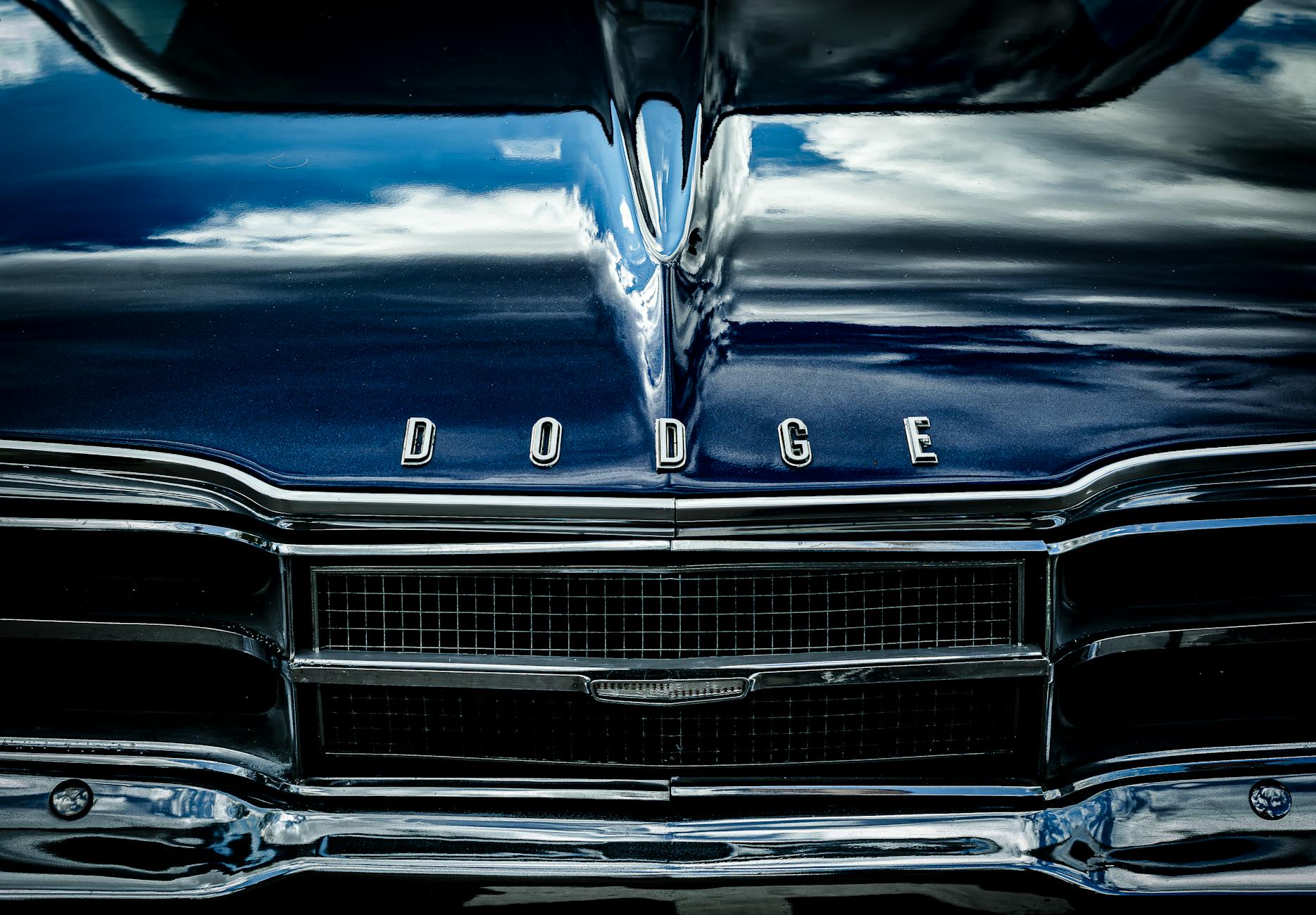
What Is the Alleged Rear Differential Defect and Why Is It Dangerous?
The rear differential is a critical component of a vehicle’s drivetrain, responsible for distributing engine power to both rear wheels while allowing them to rotate at different speeds during turns. In the vehicles covered by this class action, plaintiffs allege that the rear differential was not adequately designed and manufactured to withstand the extreme torque loads produced by the Hellcat and Demon engines. According to the lawsuit, this design and manufacturing deficiency can cause the rear differential to fail suddenly and catastrophically. When a rear differential fails explosively under extreme stress, the consequences can be severe and dangerous.
The failure can result in the shattering or splintering of internal components, which then scatter as shrapnel inside the vehicle’s undercarriage. This sudden failure can leave the vehicle without power delivery to the rear wheels, effectively disabling the drive system and potentially causing loss of vehicle control, particularly at highway speeds or during aggressive acceleration. The risk is compounded by the fact that such failures may occur without warning, during normal driving conditions, leaving owners vulnerable to accidents and injuries. A critical limitation of any settlement or judgment in this case is that it may only cover the cost of repairs or replacements rather than compensating for any accidents or injuries that have already occurred. This makes it especially important for current owners of affected vehicles to be aware of the issue and monitor their vehicles for any signs of differential problems, such as unusual noises from the rear end, vibrations, or loss of power during acceleration.
What Is the Current Status of the Diaz v. FCA Class Action Case?
The lawsuit, filed in the United States District Court for the District of Delaware, has been designated as Case Number 1:21-cv-00906-EJW. The case has faced several developments over the past few years, with the court previously issuing orders regarding partial final judgment and dismissals. However, in April 2025, the United States Court of Appeals for the Third Circuit issued an important ruling directing the District Court to vacate its January 2, 2024 order that had directed a partial final judgment dismissal.
This April 2025 appellate court decision means that the case remains actively pending and has not been resolved. The vacation of the earlier dismissal order has kept the lawsuit alive and gives the case the potential to proceed toward trial, settlement negotiations, or further judicial review. For class members, this ongoing status means that the legal process continues to develop, and any eventual remedy or settlement structure could change as the case progresses through the appeals process and the District Court reconsiders its prior rulings.

How Can You File a Claim in the Dodge Charger Challenger Rear Differential Class Action?
If you own one of the affected Dodge vehicles and believe you are part of this class action, the first step is to gather documentation proving your vehicle’s ownership and the model year, engine type, and other relevant details. You will need to verify that your vehicle matches one of the covered models and model years specified in the lawsuit (2015-2022 Charger or Challenger with Hellcat or 6.4L engines, or a 2018 Dodge Demon variant). The official case website, fcadifferentiallawsuit.com, serves as a central repository for claim filing information, case updates, and instructions on how to submit your claim to participate in any settlement.
Class action lawsuits typically have specific deadlines for filing claims, and missing these deadlines can result in the loss of your right to participate in any financial settlement or remedy. Most class action claims require documentation such as proof of ownership (vehicle registration or title), purchase or repair records, and possibly photographs of the vehicle or service records documenting any differential-related repairs or maintenance. Comparing the timeline of your vehicle’s purchase and ownership against the case’s filing date and any settlement deadlines is crucial to ensuring you do not miss your opportunity to file.
What Are the Limitations and Risks of Participating in the Class Action?
One significant limitation of class action settlements is that the compensation available to each class member may be modest, depending on the total number of claims submitted and the size of the settlement fund. In some class actions, thousands of vehicle owners are eligible to claim, which means that any monetary settlement gets divided among all claimants, potentially resulting in relatively small payouts per vehicle. Additionally, many settlements prioritize covering the cost of repairs or replacements rather than providing cash compensation, which may not fully satisfy owners who have already incurred repair costs out of pocket.
Another limitation is that settling the case through a class action may cap FCA US LLC’s liability and prevent individual owners from pursuing separate lawsuits for greater damages. Once a class settlement is approved and you have accepted its terms, you typically give up the right to sue the manufacturer independently. This means you may be unable to recover additional damages for personal injuries, pain and suffering, or diminution in vehicle value beyond what the settlement provides. It is important to understand the full terms of any settlement before claiming, as accepting a settlement often means waiving future legal claims against the defendant.

What Should You Do If Your Differential Has Already Failed?
If your Dodge Charger, Challenger, or Demon has already experienced a rear differential failure, document the incident thoroughly by taking photographs and videos of any damage, collecting repair estimates or invoices, and keeping a record of when the failure occurred and under what circumstances. This documentation becomes crucial evidence of your claim and can strengthen your position if you need to negotiate repair coverage or participate in the class action settlement process.
Contact a dealer or independent repair shop specializing in Dodge vehicles to have the failed differential inspected and repaired. Some owners have reported that FCA US LLC has shown willingness to cover repairs for differential failures under warranty or through goodwill programs, particularly when the vehicle is still relatively new. If your vehicle is already out of warranty, the class action settlement may eventually provide coverage for these repairs, making it essential to file your claim promptly once a settlement becomes available.
The Future of the Lawsuit and What It Means for Owners
As the case continues through the appeals process, the legal landscape for owners of affected vehicles continues to evolve. The Third Circuit’s April 2025 decision to vacate the earlier dismissal order signals that the court has found enough merit in the claims to allow the case to proceed, which could lead to a settlement negotiation in the near future. Future developments in the case could include motions for summary judgment, trial proceedings, or settlement conferences where FCA US LLC and the plaintiffs’ attorneys discuss potential remedies and compensation structures.
The outcome of this case may also set precedent for how courts and manufacturers handle similar powertrain defect claims involving high-performance vehicles. As automotive technology continues to push performance boundaries, manufacturers may face increased scrutiny regarding whether component designs, particularly in the drivetrain, adequately match engine power output. For current owners, staying informed about case developments and understanding their rights is the best way to ensure they can take action if a settlement becomes available.
You Might Also Like
- Zimmer NexGen Knee Implant Loosening Class Action
- Transvaginal Mesh Pelvic Organ Prolapse Class Action
- Tesla Model 3 Paint Defect Class Action
Open Settlements You Can Claim Now
Browse current class action settlements accepting claims — several require no proof of purchase: