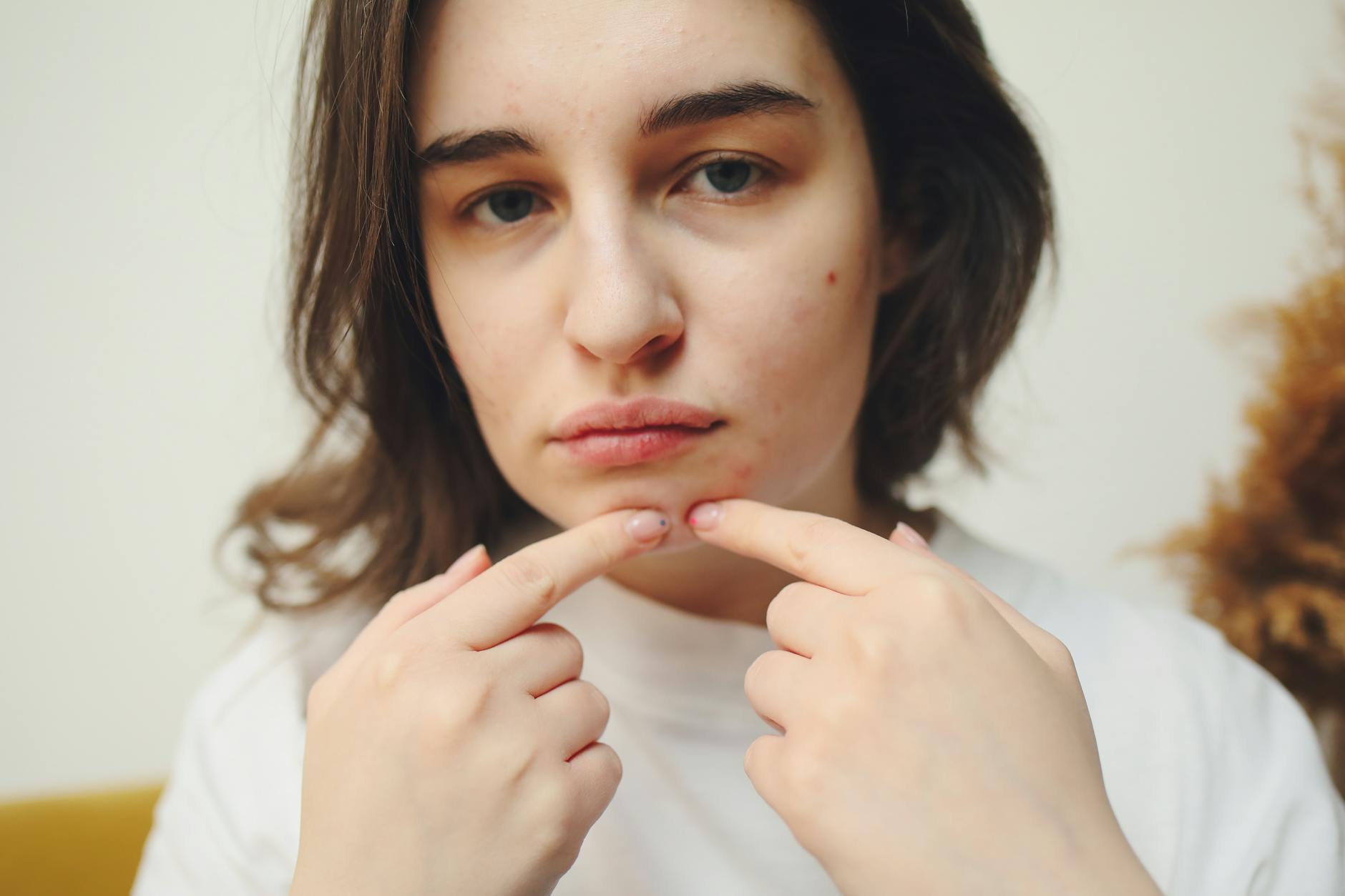
As of March 2026, the Proactiv acne treatment lawsuit remains in active litigation with no major settlement finalized yet, though multiple class action cases are advancing across California, Hawaii, Wisconsin, and New Jersey. The core allegation centers on benzene contamination—a known carcinogen—found in Proactiv’s benzoyl peroxide products. In March 2024, independent laboratory testing discovered that Proactiv’s 2.5% BPO Cream contained benzene levels as high as 1,700 parts per million (ppm), roughly 850 times higher than the FDA’s established safety limit of 2 ppm.
This article explains the lawsuit’s current status, what the benzene contamination evidence shows, which consumers may be eligible to claim, potential settlement ranges based on similar mass tort cases, and what you need to know about filing deadlines and next steps. The litigation is being led by Wisner Baum, a firm specializing in consumer class actions, with Proactiv’s manufacturer Guthy-Renker named as a defendant alongside makers of other benzoyl peroxide products including Clearasil. While no settlement has been announced yet, the discovery and testing of benzene contamination in early 2024 accelerated lawsuits that had been developing, and attorneys are continuing to build cases for consumers who purchased and used these products believing they were safe.
Table of Contents
- What Is the Benzene Contamination Issue in Proactiv Products?
- Current Status of the Proactiv Lawsuit as of 2026
- What Evidence Supports the Lawsuit Against Proactiv?
- Potential Settlement Amounts and Payout Structure
- Who Is Eligible to Claim in the Proactiv Benzene Lawsuit?
- Statute of Limitations and Claim Deadlines
- How This Proactiv Case Compares to Previous Settlements
What Is the Benzene Contamination Issue in Proactiv Products?
Benzoyl peroxide (BPO) is an active ingredient in Proactiv and many other over-the-counter acne treatments, used because it kills acne-causing bacteria and reduces inflammation. However, benzoyl peroxide is chemically unstable and degrades into benzene when exposed to heat, light, or humidity over time—conditions common in bathroom medicine cabinets. Benzene is classified as a carcinogen by the International Agency for Research on Cancer (IARC) and the U.S. Environmental Protection Agency (EPA), meaning prolonged exposure is linked to increased cancer risk, particularly leukemia and lymphoma.
The March 2024 testing by an accredited independent laboratory analyzed 99 benzoyl peroxide products from multiple brands and found widespread contamination. While some products contained minimal benzene, several had alarming levels: Proactiv’s 2.5% BPO Cream reached 1,700 ppm in some batches—a level 850 times the FDA’s 2 ppm safety threshold. This wasn’t a single bad batch; the lawsuit allegations claim Proactiv’s manufacturer knew or should have known about benzoyl peroxide’s instability and the resulting benzene formation, yet failed to reformulate products, add stabilizers, or properly warn consumers. For consumers who applied Proactiv daily for months or years, the cumulative skin exposure to benzene raises legitimate health concerns.

Current Status of the Proactiv Lawsuit as of 2026
The Proactiv benzene litigation is currently in the early to middle stages of class action development, meaning the cases have been filed and are undergoing discovery (where evidence is exchanged between plaintiffs and defendants), but no settlement agreement has been finalized or approved by a court. Multiple cases have been filed across different states—California, Hawaii, Wisconsin, and New Jersey are among the active jurisdictions—which could eventually be consolidated into a multi-district litigation (MDL) if there are many similar claims, though no MDL designation has been announced yet. This is important to understand because it means the timeline to a settlement is uncertain; some cases settle within 18 months, while others take three to five years.
However, the discovery process is moving, and the 2024 benzene test results serve as strong documentary evidence of the contamination. Unlike some lawsuits that hinge on scientific debate, this case has lab-verified data showing exactly how much benzene was in specific Proactiv batches, which makes the manufacturers’ knowledge of the risk harder to deny. Attorneys have also pointed to previous regulatory concerns: the FDA has been scrutinizing benzoyl peroxide products more closely in recent years, which could strengthen the argument that companies had notice of the contamination problem.
What Evidence Supports the Lawsuit Against Proactiv?
The lawsuit rests on several evidence categories. First is the laboratory testing data itself: the March 2024 independent analysis showed that benzoyl peroxide products, particularly Proactiv’s 2.5% cream, contained benzene far beyond safe levels. Second is the chemistry: benzoyl peroxide’s instability is well-documented in pharmaceutical and chemical literature, meaning the manufacturers had access to scientific knowledge showing the degradation risk. Third is regulatory context: the FDA has issued guidance on benzene limits in drugs and has previously recalled or warned about benzoyl peroxide products, indicating the industry was on notice that contamination was a known problem requiring safeguards.
A fourth line of evidence involves marketing and consumer expectations. Proactiv marketed these products as safe, effective acne treatments suitable for daily use, particularly by teenagers and young adults—groups that may be more susceptible to long-term health effects from cumulative exposure. The lawsuit alleges this marketing was deceptive because Proactiv did not warn consumers about benzene formation or test batches to ensure safety limits were met. Consumers who purchased Proactiv reasonably expected to use a regulated over-the-counter drug that met FDA safety standards, but the benzene contamination violated that expectation.

Potential Settlement Amounts and Payout Structure
No settlement amount has been announced yet because the case is still in active litigation, so any figures discussed now are based on precedent from similar mass tort lawsuits involving carcinogen exposure or product defect cases. Carcinogen and personal injury mass torts typically settle with per-claimant payouts ranging from $30,000 to $300,000 or more, depending on several factors. These factors include the strength of evidence, the number of claimants, the defendants’ ability to pay, and the severity tier assigned to each claimant’s exposure.
Settlement structures in these cases are almost always tiered: “low-value” claims—where the consumer used the product for a short period or has no diagnosed health condition—might receive $5,000 to $25,000. “Mid-value” claims—longer-term use, some documented health concerns—might receive $50,000 to $150,000. “High-value” claims—extensive use combined with a diagnosis of cancer or serious illness—could receive $200,000 to $500,000 or more. The actual settlement amount also depends on how much the defendants are willing to pay and how the total settlement fund gets divided among all eligible claimants; if hundreds of thousands of people file claims, each claim will receive a smaller share than if only thousands file.
Who Is Eligible to Claim in the Proactiv Benzene Lawsuit?
Eligibility typically includes anyone who purchased and used Proactiv products containing benzoyl peroxide at any point during a defined class period. The class period hasn’t been formally defined yet since the case is still pending, but it likely covers a period of several years preceding the lawsuit filing—possibly extending back to 2015 or earlier, depending on the statute of limitations in each state and when the lawsuit was filed. Consumers in participating states (California, Hawaii, Wisconsin, New Jersey, and potentially others as the litigation develops) who have kept receipts, credit card statements, or pharmacy records showing Proactiv purchases are stronger claimants.
However, there are limitations: some settlements require proof of actual use, not just purchase, which can be challenging without documentation. If you used Proactiv but cannot prove purchase, you may still be able to claim if you have credible written evidence (emails, photos of the product, testimonies) or if the court allows affidavit-based claims. Additionally, some settlements exclude people who have already received compensation from a prior Proactiv settlement—notably, Proactiv settled an auto-renewal billing case in 2019 for $1.2 million in penalties and up to $7.3 million in customer restitution, so if you received money from that settlement, you might be barred from this benzene case, though the specific terms of the new settlement will clarify this.

Statute of Limitations and Claim Deadlines
The statute of limitations for benzene contamination or product liability claims varies by state, but typically ranges from two to four years from the time the injury is discovered, not from the initial use of the product. This is important because it means if you used Proactiv years ago but only recently learned about the benzene contamination through news coverage of the lawsuit, you may still have time to file a claim. Some states apply a “discovery rule,” meaning the clock starts when you knew or reasonably should have known about the contamination and its health link, giving you more time even if you stopped using the product years ago.
As of now, no uniform national claim deadline has been published because the settlement hasn’t been finalized. Once a settlement is approved by the court, there will be a claims period—typically 90 to 180 days—during which eligible consumers can submit their claims. Attorneys tracking the case will likely notify the public through class action claim websites and media coverage when a settlement is reached and claim deadlines are set. To ensure you don’t miss the deadline, you should register with Wisner Baum or monitor official class action notice websites periodically if you believe you’re eligible.
How This Proactiv Case Compares to Previous Settlements
Proactiv has faced legal action before, most notably the 2019 auto-renewal case where Guthy-Renker (Proactiv’s parent company) paid $1.2 million in civil penalties to California plus up to $7.3 million in customer restitution for automatically charging customers without proper consent. That settlement affected tens of thousands of Proactiv customers and showed that courts and regulators view Proactiv’s business practices critically, which strengthens the current benzene contamination case by establishing a pattern of consumer deception. However, that settlement was about billing practices, not product safety, so it’s a separate claim.
The benzene case is more serious in nature because it involves potential physical harm—exposure to a known carcinogen—rather than just financial wrongdoing. This typically results in higher per-claim payouts in settlements. While we can’t predict exactly what this case will settle for, similar benzoyl peroxide contamination or carcinogen exposure lawsuits have resulted in settlements with per-claimant payouts in the ranges discussed above. The fact that this case has strong documentary evidence (the March 2024 test results showing specific benzene levels in Proactiv products) may actually speed settlement compared to cases relying solely on theory or historical testimony.
Sources
- Acne Products Class Actions – Benzoyl Peroxide Cancer Risks — plain-language explainer on the issue behind this case, from our sister site OpenClassActions.com.
You Might Also Like
- VRBO Hidden Charges Lawsuit Settlement Explained Who Qualifies
- Uber Eats Delivery Fee Lawsuit Settlement Explained What Customers Could Receive
- TripAdvisor False Reviews Lawsuit Settlement Explained
Open Settlements You Can Claim Now
Browse current class action settlements accepting claims — several require no proof of purchase: