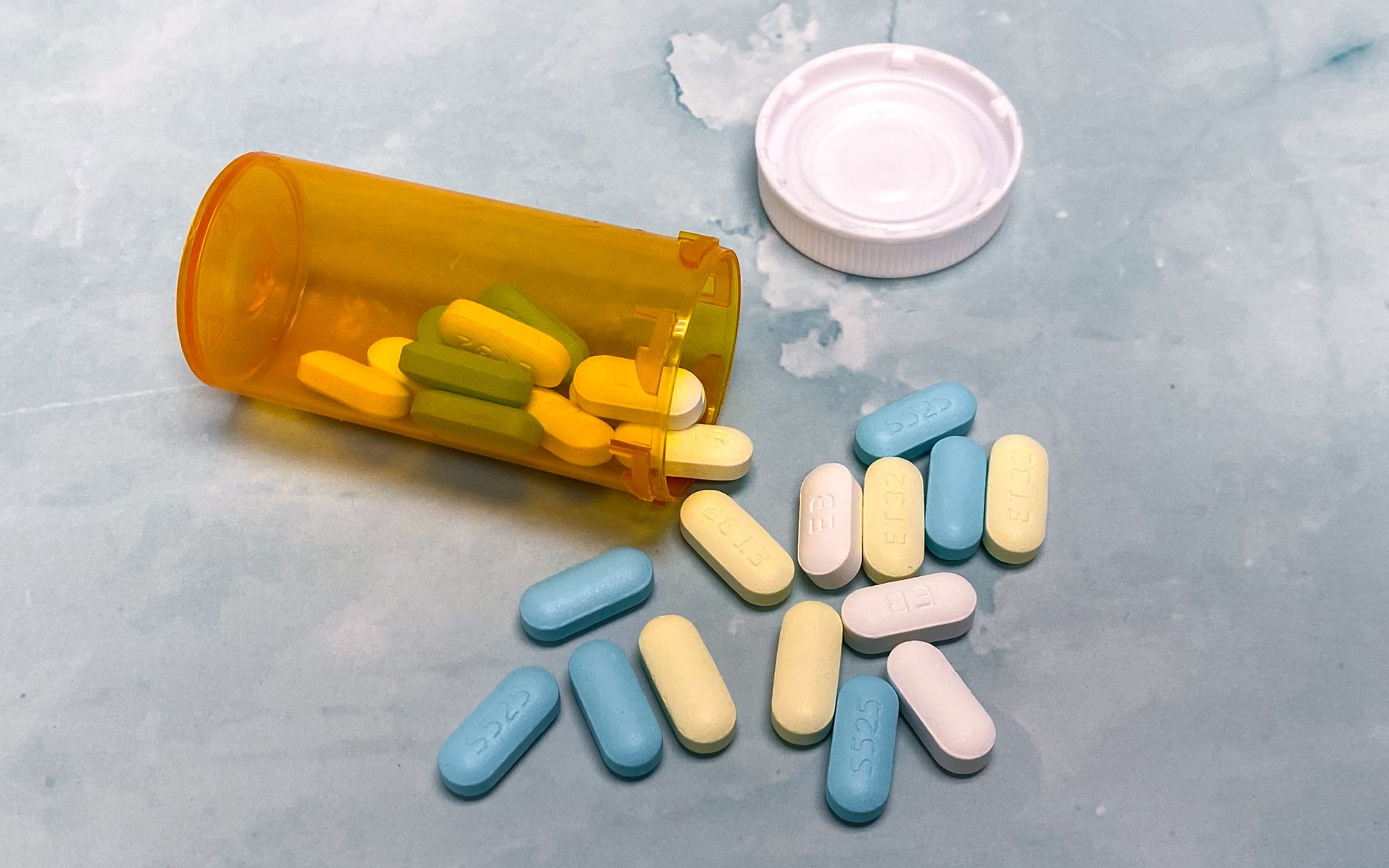
The U.S. Department of Justice said CVS Pharmacy Inc. and related entities agreed to pay $315 million to resolve federal allegations it illegally filled opioid and other controlled-substance prescriptions and billed federal programs for many fills, in the Justice Department announcement. The same announcement says the deal covers alleged Controlled Substances Act violations and, where federal programs paid, False Claims Act violations from Oct.
17, 2013 through Dec. 2, 2025. The Controlled Substances Act sets federal rules for prescribing and dispensing drugs with abuse risk. The False Claims Act penalizes improper bills sent to taxpayer-funded programs.
Official resources:
- Read the official guidance from Justice — Use this primary source to verify the official guidance.
- Read the official notice from Medicaldaily — Use this primary source to verify the official announcement.
Table of Contents
- Which prescriptions were challenged?
- Why did federal payment matter?
- Which lawsuits does the deal resolve?
- What oversight did CVS accept?
- Can consumers file a claim?
Which prescriptions were challenged?
Prosecutors alleged CVS knowingly filled prescriptions lacking legitimate medical purpose, invalid prescriptions, or fills outside the usual course of professional practice. Becker's Hospital Review reported the allegations included excessive quantities, early refills and dangerous "trinity" opioid-benzodiazepine combinations, in the Becker's report.
These categories focus on warning signs pharmacists are expected to screen before dispensing. Readers can understand the claims through three examples:.
- excessive quantities beyond a legitimate course of treatment
- refills requested well before the prior supply should run out
- opioid-benzodiazepine "trinity" combinations described as dangerous
Why did federal payment matter?
The government alleged many invalid prescriptions were submitted for payment to Medicare and other federal healthcare programs. The Drug Enforcement Administration said those payment requests made the fills false claims against taxpayers, in the DEA announcement.
That payment link explains the two laws in the settlement. Improper dispensing falls under controlled-substance rules. Payment by a federal program can turn the same fill into a false claim.
Which lawsuits does the deal resolve?
The deal resolves the civil complaint the United States filed on Dec. 13, 2024 in the District of Rhode Island.
Healthcare Finance News reported it also resolves a whistleblower False Claims Act suit brought by former CVS employee Hillary Estright. A whistleblower suit allows a private person to raise alleged fraud against federal programs for government review. Both the federal complaint and the employee's suit close through this settlement.
What oversight did CVS accept?
Separately, CVS entered a memorandum of agreement with the DEA. The Labor Department inspector general's reprint of the Justice Department release describes three compliance duties: Those duties create an outside reporting channel and earlier internal review. They apply to future pharmacy operations rather than past fills.
- operate a public and employee hotline for suspected illegal dispensing
- monitor pharmacy dispensing patterns proactively
- review prescribers tied to suspect activity
Can consumers file a claim?
No. This settlement creates no consumer payment fund, claim form, deadline, or payout tier. Patients receive no direct payment from the $315 million.
CVS did not admit wrongdoing and said it strongly disagrees with the allegations. Medical Daily reported that position, along with the government's statement that the claims are allegations only with no judicial finding of liability. The practical effect for the public is tighter future dispensing oversight, not compensation.