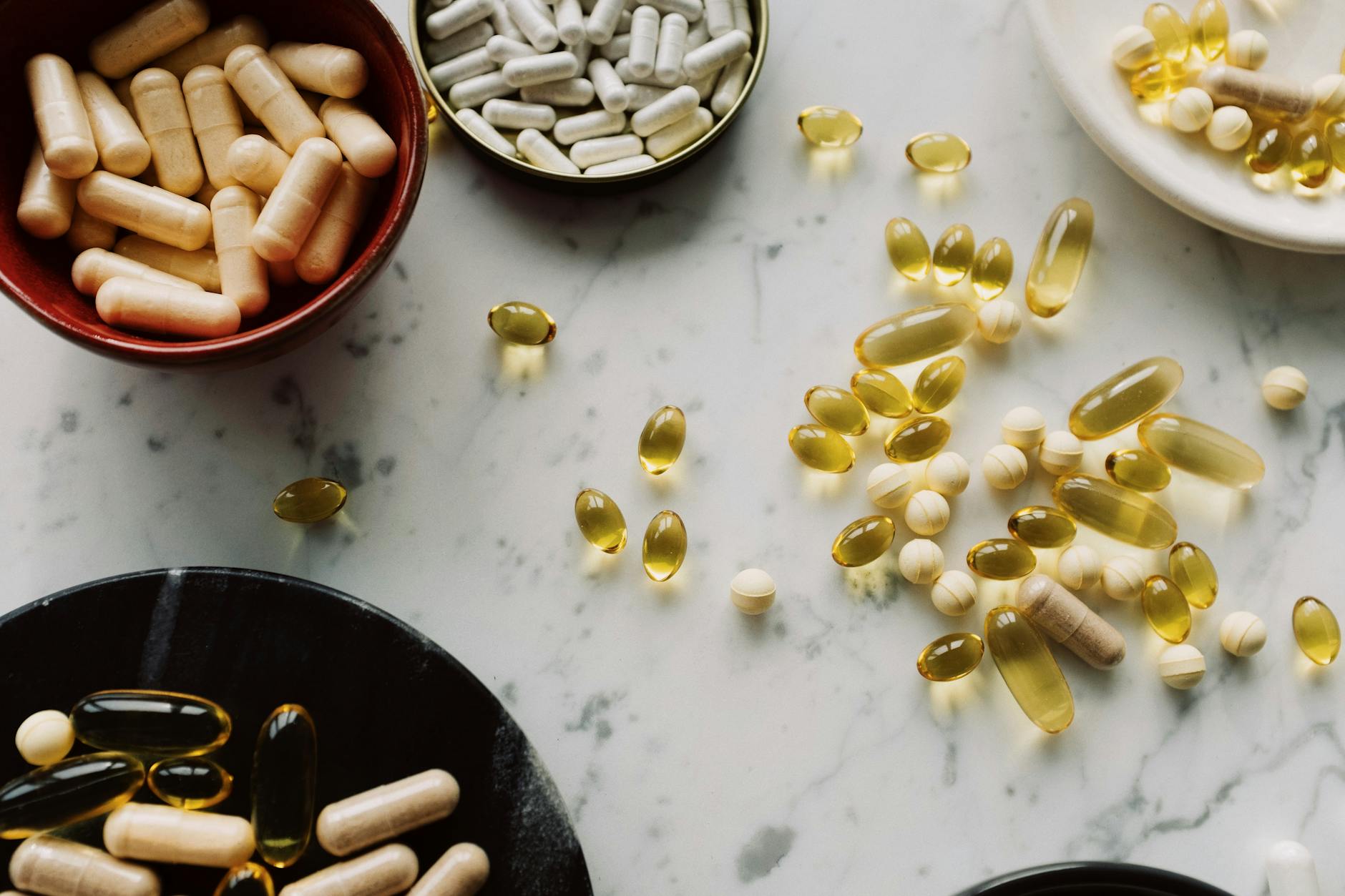
The Balance of Nature dietary supplement company agreed to pay $9.95 million to settle a nationwide class action lawsuit alleging deceptive marketing practices, making qualified purchasers eligible for compensation between $4 and $30 per household depending on whether they have proof of purchase. This settlement resolves claims that Balance of Nature made false nutritional equivalence claims—advertising that one serving of their Fruits supplement contained the nutrition of five or more servings of fruit, or that three capsules equaled ten servings of salad with 31 vegetables—when the products actually contained roughly 40% sugar and did not deliver the promised nutritional benefits. If you purchased Balance of Nature products between March 28, 2019, and October 27, 2025, you may be entitled to file a claim, though the filing deadline has now passed as of March 11, 2026.
This article explains who was harmed by these claims, what the settlement covers, why the federal courts got involved, and what consumers should know about similar supplement marketing cases. The $9.95 million settlement follows an earlier $1.1 million settlement Balance of Nature reached with California state authorities in July 2023, which included $850,000 in civil penalties and $250,000 in consumer restitution. Together, these settlements represent one of the largest enforcement actions against a supplement company for false nutritional claims in recent years. The case underscores how dietary supplement companies are permitted to make claims that would never pass scrutiny for conventional foods, yet can still face serious legal consequences when those claims cross into demonstrably false territory.
Table of Contents
- What False Advertising Claims Did Balance of Nature Make?
- How Much Settlement Money Is Available and How Is It Structured?
- Who Is Eligible and What Proof Do You Need?
- How Did You File a Claim and What Were the Critical Deadlines?
- What Regulatory Actions Did Balance of Nature Face Beyond the Civil Settlement?
- How Do Balance of Nature Cases Fit Into Broader Supplement Enforcement Trends?
- What Should Consumers Know About Similar Supplement Cases Going Forward?
What False Advertising Claims Did Balance of Nature Make?
Balance of Nature marketed its flagship Fruits and Vegetables supplements with nutritional equivalence claims that could not be substantiated. The company claimed that one serving of its Fruits supplement equaled the nutritional benefit of five or more servings of real fruit, and that three capsules of its Vegetables supplement contained the nutrition of ten or more servings of salad with 31 vegetables included. These claims appeared in television commercials, the company’s website, social media advertising, and direct mail materials sent to consumers. The claims were designed to appeal to busy consumers looking for convenient nutrition shortcuts—the implicit promise was that you could substitute these capsules for eating actual produce and receive equivalent nutritional benefits. The core problem with these claims was not merely that they were exaggerated, but that they were demonstrably false.
The products contained approximately 40% sugar by weight, and the ingredient lists revealed that the actual fruit and vegetable content was minimal and heavily concentrated. Independent testing and regulatory review showed that consuming the recommended dose did not provide the micronutrient density claimed. Consumers were paying premium prices ($50–$100 per bottle) based on the belief they were getting a nutritional shortcut equivalent to eating multiple servings of produce, when in reality they were purchasing a candy-like supplement with some fruit and vegetable extracts. What makes this case instructive is how it distinguishes between permissible supplement marketing and illegal false advertising. The FDA allows supplement companies to make “structure-function claims” (like “supports healthy immune function”) without pre-approval, but companies cannot claim that supplements are nutritional equivalents to food or that they treat, prevent, or cure diseases. Balance of Nature crossed this line with its specific numerical equivalence claims—saying “equals five servings of fruit” is making a factual claim that can be measured and tested, not a vague supportive claim.

How Much Settlement Money Is Available and How Is It Structured?
The $9.95 million class settlement is divided into compensation payouts based on proof of purchase. Consumers who can provide receipts, credit card statements, or other documentation proving they purchased Balance of Nature products are eligible to receive up to $30 per household, calculated as a maximum of five units at $6 per unit. Those who cannot provide proof of purchase but can establish they were part of the class period are eligible for a lower payment of up to $8 per household, calculated as a maximum of two units at $4 per unit. The settlement also allocated funds for attorney fees, claims administration costs, and cy pres awards (donations to related nonprofits if some settlement money remains unclaimed).
This structure is typical in class action settlements and reflects the court’s recognition that not all consumers retain receipts or complete transaction records, especially for purchases made years earlier. However, the reduced payment for unsubstantiated claims ($4 versus $6 per unit) creates an incentive for claimants to locate whatever documentation they can find—even partial proof helps. One important limitation: the settlement covers only purchases made between March 28, 2019, and October 27, 2025. If you purchased Balance of Nature products before March 28, 2019, or if you purchased after October 27, 2025 (after the case was settled), you are not eligible for compensation from this particular settlement. However, the earlier 2023 settlement with california authorities may have covered some earlier purchases or residents of California specifically; eligibility varies by jurisdiction and settlement structure.
Who Is Eligible and What Proof Do You Need?
To qualify for the Balance of Nature settlement, you must be a resident of the United States and must have purchased one or more Balance of Nature products during the class period (March 28, 2019 – October 27, 2025). The settlement defines eligible products broadly to include the Fruits supplement, Vegetables supplement, and any combination products sold under the Balance of Nature brand during this timeframe. You do not need to have purchased recently—if you bought a single bottle in 2019 and can document it, you qualify. Proof of purchase can take several forms. The strongest evidence is an itemized receipt showing the Balance of Nature product name and price. Credit card or bank statements showing charges to Balance of Nature, their website, or authorized retailers are also acceptable.
For amazon or other third-party retailer purchases, your digital order confirmation or transaction history works. Some claimants submitted email confirmations from Balance of Nature direct shipments. If you received the product as a gift but have no purchase documentation yourself, you do not qualify—the settlement compensates purchasers, not recipients. For claimants without any documentation, the settlement established an “attestation” process where you could claim to have purchased Balance of Nature products without proof, but this resulted in the lower $4 per unit payment tier instead of $6. The claims administrator reviewed attestation claims to screen out obvious fraud, but the burden of proof was lower than for documented claims. Notably, since the filing deadline of March 11, 2026, has already passed, no new claims can be filed, and anyone who missed the deadline has lost the opportunity to participate in this settlement.

How Did You File a Claim and What Were the Critical Deadlines?
The claim filing process for the Balance of Nature settlement operated through an official claims portal at https://www.supplements-settlement.com/. Claimants accessed the portal, entered their personal information, selected how many units they claimed to have purchased, and either uploaded documentation or attested to their purchase without proof. The portal calculated the payout amount automatically based on the information provided (up to $30 for documented claims, up to $8 for attestation claims). The most critical deadline was **March 11, 2026**, which was the final claim filing deadline. This date has now passed, meaning the window to file claims has closed. The Final Approval Hearing occurred on March 6, 2026, just before the claims deadline, which allowed the court to review the settlement and determine how many valid claims had been filed before finalizing distributions.
Any person who did not submit a claim by March 11, 2026, forfeited their right to compensation from this settlement. Unlike some settlements that allow late claims with an explanation, the Balance of Nature settlement appears to have enforced a hard deadline. The lesson here is that class action settlements operate on fixed timelines, and missing the deadline by a single day eliminates your right to participate. There is no appeals process or second chance once the claim filing deadline passes. This is why notification is so important—class members are supposed to receive notice by mail or email, but not all recipients see these notices. If you received a notice about the Balance of Nature settlement after March 11, 2026, you unfortunately cannot file a claim, though you may be able to explore whether the company itself faces other regulatory actions or criminal charges that could result in additional remedies.
What Regulatory Actions Did Balance of Nature Face Beyond the Civil Settlement?
Beyond the $9.95 million class action and the $1.1 million California settlement, Balance of Nature faced serious federal regulatory action. The U.S. Food and Drug Administration (FDA) and the U.S. Department of Justice (DOJ) filed a lawsuit against Balance of Nature and its CEO alleging that the company made illegal disease claims in its marketing. Specifically, Balance of Nature allegedly advertised that its supplements could prevent, treat, or cure serious diseases including cancer, COVID-19, diabetes, heart disease, asthma, liver cirrhosis, fibromyalgia, and arthritis. These disease treatment claims are far more serious from a regulatory standpoint than false nutritional equivalence claims.
The FDA strictly prohibits supplement companies from claiming their products treat or cure any disease without pre-market approval as a drug—which would require clinical trials and would disqualify most supplements from the market. When a company crosses this line, it faces not just civil monetary penalties but potential criminal charges and injunctions stopping the company from selling products. In the Balance of Nature case, a federal court issued an order requiring the company and its CEO to halt production and sales of the supplements. The practical impact of this federal injunction is that Balance of Nature ceased normal operations and could not lawfully sell its products in the United States without reformulating its marketing materials and securing FDA approval—a process that is lengthy and expensive. This explains why the company agreed to the $9.95 million settlement; continuing to operate under the FDA injunction was not economically viable. However, the existence of an FDA injunction does not mean the product is inherently dangerous—it means the company made illegal claims about what the product can do.
How Do Balance of Nature Cases Fit Into Broader Supplement Enforcement Trends?
The Balance of Nature cases are part of a broader pattern of FDA and state enforcement against supplement companies that make exaggerated or false health claims. Supplement marketing is deliberately looser than pharmaceutical marketing because dietary supplements are not regulated as drugs, even when they make health-related claims. Companies exploit this regulatory gray area by using language like “supports healthy heart function” (permissible) versus “prevents heart disease” (illegal). The line between these statements is clear in law but murky in marketing reality, and companies often test how aggressive their claims can be.
The California District Attorneys’ involvement in the 2023 settlement is also instructive. State-level enforcement often moves faster than federal FDA action and can focus on consumer protection within state boundaries. When California authorities determined that Balance of Nature was violating California consumer protection laws through false advertising, they negotiated directly with the company, resulting in civil penalties and restitution. This state-level settlement predated the federal court order, and California residents who purchased during the 2019–2023 period may have received compensation through that earlier settlement in addition to the 2026 national settlement, depending on how the settlements interacted.
What Should Consumers Know About Similar Supplement Cases Going Forward?
The Balance of Nature case illustrates why consumers should approach supplement marketing claims with skepticism, especially when companies make specific quantitative claims like “equals five servings of fruit” or disease-prevention claims. The FTC and FDA have taken enforcement action against numerous supplement companies for similar false claims—companies selling “colloidal silver” as a cure-all, companies claiming probiotics cure autism, and companies making unsupported COVID-19 prevention claims. The pattern is consistent: supplement companies make claims that exceed what the science supports, consumers are harmed financially and potentially medically if they rely on supplements instead of proven treatments, and enforcement action eventually follows.
Going forward, the regulatory landscape for supplements may tighten further as the FDA increases scrutiny of disease claims and nutritional equivalence assertions. Several recent enforcement actions suggest the FDA is taking a harder line on supplement marketing that crosses into drug claims. For consumers, this means being cautious about any supplement that promises specific disease prevention or treatment, and checking whether a supplement company has faced FDA warnings or enforcement actions before purchasing. The Balance of Nature settlement provides compensation for money spent on a deceptively marketed product, but the real loss was the opportunity cost—consumers bought supplements thinking they were getting the nutrition of multiple servings of produce when they should have been eating actual food.
You Might Also Like
- ZOA Energy $3 Million False Preservative-Free Labeling Class Action Settlement
- Joybird and La-Z-Boy $7.15 Million Inflated Reference Price Advertising Class Action Settlement
- Wells Fargo $33 Million Deceptive Subscription Billing Class Action Settlement
Open Settlements You Can Claim Now
Browse current class action settlements accepting claims — several require no proof of purchase: