

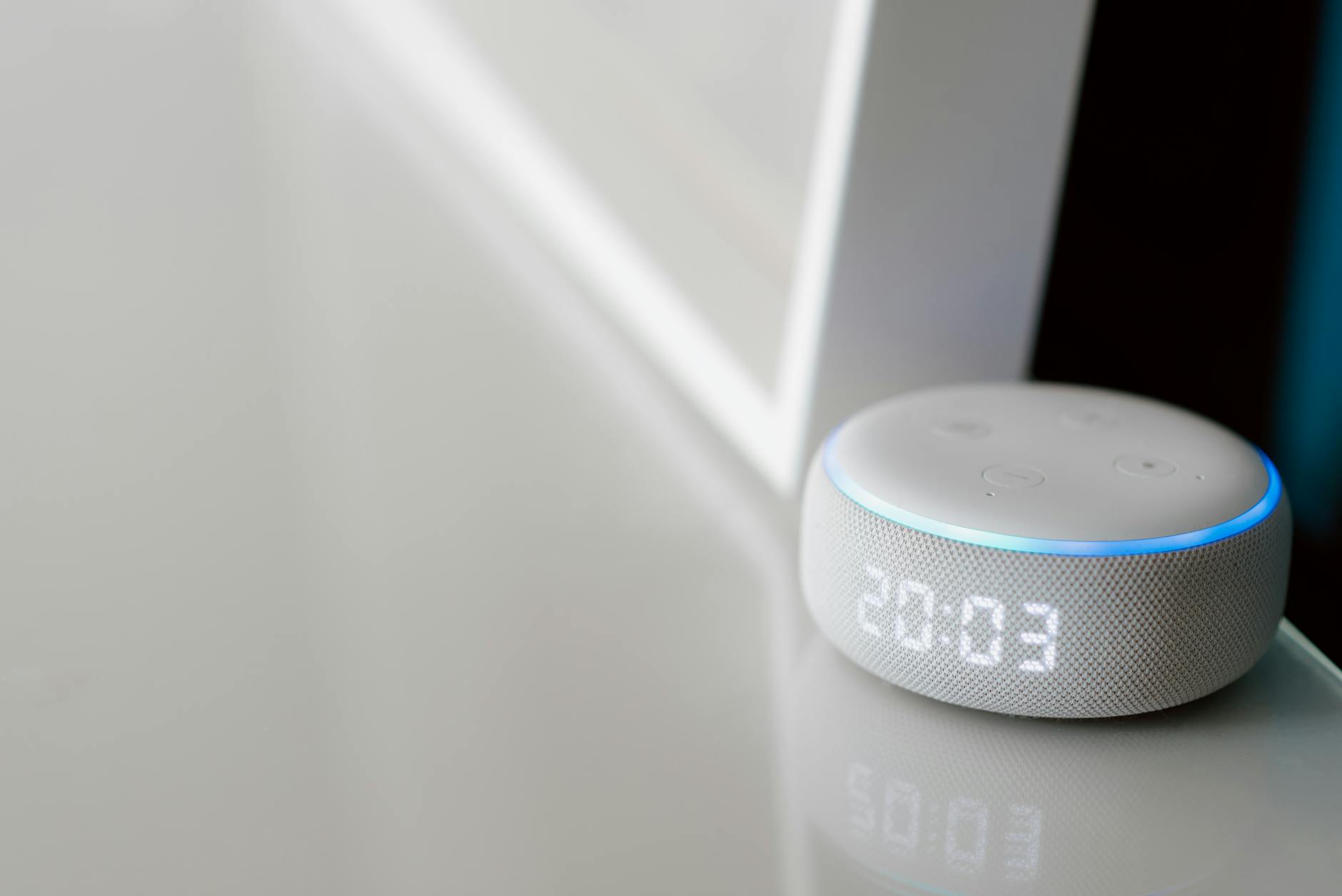
Yes, Amazon’s Alexa voice assistant has been the subject of both a major federal settlement and a certified nationwide class action lawsuit over allegations that the device was always listening and recording private conversations without proper consent. In July 2025, a federal judge certified a nationwide class action against Amazon in the case of Kaeli Garner v. Amazon.com, Inc., allowing consumers across the country to pursue claims for alleged unlawful recording and storage of voice data. For example, many customers reported finding that Alexa had inadvertently recorded and retained conversations that had nothing to do with the wake word “Alexa,” storing these private moments indefinitely even after users explicitly requested deletion.
This legal action emerged from years of privacy concerns surrounding smart speakers. Amazon had already reached a $31 million settlement with the Federal Trade Commission in 2023, which included $25 million specifically related to Alexa privacy violations, including the unlawful retention of children’s voice recordings. The class action lawsuit, however, has opened the door for individual consumers to seek compensation directly from Amazon for the company’s alleged privacy violations under state consumer protection laws. The certified class action is still ongoing, with consumers eligible to file claims and potentially receive compensation estimated between $10 and $50 per household, with expected payouts beginning in 2026 for those who file claims on time. The case alleges that Amazon recorded billions of private conversations, stored voice data indefinitely despite deletion requests, and used the recordings to train AI algorithms without proper customer consent.
Table of Contents
- What Did Amazon’s Alexa Privacy Violations Actually Involve?
- How Did the Voice Data End Up Being Used Without Customer Consent?
- What Are the Different Lawsuits and Settlements Against Amazon for Alexa?
- How Much Money Can You Get From the Amazon Alexa Class Action?
- What Are the Limitations of the Amazon Alexa Settlements and Class Actions?
- How Do You File a Claim for the Amazon Alexa Class Action?
- What’s Next for Amazon and Alexa’s Privacy Practices?
What Did Amazon’s Alexa Privacy Violations Actually Involve?
Amazon’s alleged privacy violations with Alexa centered on several core issues that caught the attention of regulators and private attorneys alike. The company was accused of retaining voice recordings and transcripts far beyond what was necessary to operate the device, storing data indefinitely even when customers explicitly deleted recordings or disabled the recording feature entirely. Rather than immediately purging voice data after processing a command, Amazon maintained extensive archives of these recordings, which included not only intentional commands but also ambient conversations that triggered the device’s microphone without the wake word being spoken. The practices extended to particularly vulnerable users: children. The FTC settlement specifically highlighted Amazon’s unlawful retention of voice recordings from children’s Alexa interactions, often captured without parents’ knowledge or explicit permission.
For instance, a family’s smart speaker might have recorded a child asking for help with homework, making a joke to a sibling, or having a private conversation in the room where the Echo device was located. These recordings, along with millions of others, were stored indefinitely in Amazon’s systems. What made these violations especially concerning was how Amazon used the data beyond simply responding to voice commands. The company employed voice recordings to train machine learning algorithms and improve its AI systems, sharing this sensitive data with contractors and employees in different countries without customers knowing the full scope of data usage. This created a situation where private conversations—whether intentional commands or accidental recordings—became raw material for Amazon’s broader business objectives.
How Did the Voice Data End Up Being Used Without Customer Consent?
The mechanism of unauthorized data use operated largely invisibly to most consumers. When you interacted with Alexa, Amazon didn’t just process your voice command in the moment and discard it. Instead, the company created permanent records of these interactions, including voice data, transcripts, and metadata about when and where the recording occurred. This data flowed into Amazon’s systems where it served multiple purposes: improving speech recognition, training voice processing algorithms, and developing new Alexa features and capabilities. A critical limitation of understanding this problem is that many customers never realized how extensively their data was being retained and repurposed.
Amazon’s privacy disclosures about voice data handling were often buried in lengthy terms of service documents or presented in ways that downplayed the scope of retention and reuse. Consumers who thought they were simply using a voice assistant to control lights or check weather were unknowingly contributing to Amazon’s AI training datasets. In some cases, human reviewers employed by Amazon or third-party contractors listened to voice recordings as part of quality assurance processes, exposing even more private moments to outside ears. The company justified some of these practices as necessary for improving Alexa’s performance, but regulators and plaintiffs’ attorneys argued that Amazon went far beyond what was needed for basic functionality. The data retention periods weren’t clearly disclosed, the scope of AI training applications wasn’t transparent, and the automatic nature of the recording created opportunities for capturing sensitive conversations that had nothing to do with Alexa commands. For example, medical discussions, financial conversations, or intimate moments between family members could end up in Amazon’s databases, processed by algorithms or reviewed by employees, all without the explicit informed consent that should accompany such sensitive handling.
What Are the Different Lawsuits and Settlements Against Amazon for Alexa?
There are actually two separate legal tracks that consumers should understand. First, there’s the Federal Trade Commission settlement from 2023, which was a government enforcement action resulting in $31 million in civil penalties, with $25 million specifically attributed to Alexa privacy violations. This settlement required Amazon to implement changes to its Alexa practices, including providing better notice to consumers about voice data retention and obtaining more explicit consent before retaining voice recordings. However, this settlement primarily directed Amazon to change its practices going forward and did not provide direct compensation to affected consumers. The second track is the private class action lawsuit certified in July 2025 by U.S. District Judge Robert Lasnik in the case Kaeli Garner v.
Amazon.com, Inc., which is based on violations of Washington state’s Consumer Protection Act. This nationwide class action allows individual consumers to file claims seeking monetary compensation for the privacy violations they experienced. The difference is significant: while the FTC settlement changed Amazon’s rules, the class action creates an opportunity for affected consumers to recover damages for the harm caused by past privacy violations. Additionally, there’s a separate federal class action allowed to proceed under Illinois privacy law specifically addressing unauthorized voice recordings. This demonstrates that Amazon’s Alexa privacy issues crossed multiple state lines and triggered legal action under different state consumer protection statutes. Each of these legal actions represents a different avenue for accountability, whether through government enforcement that changes future practices or through class action lawsuits that compensate harmed consumers for past conduct.

How Much Money Can You Get From the Amazon Alexa Class Action?
The monetary compensation available through the class action lawsuit is still being determined as the case proceeds, but current estimates suggest that eligible consumers could receive between $10 and $50 per household, depending on the final settlement amount and how the compensation fund is distributed. This range reflects early projections based on similar privacy class actions and the estimated number of affected consumers, though the actual amount could vary once a settlement is finalized or if the case goes to trial. The timeline for receiving compensation is also important to understand. For consumers who actively file claims during the claim filing period, payouts are expected to begin in 2026.
This means that if you were an Alexa user during the period when the alleged unauthorized recording and retention occurred, and if you submit a claim form with the required information, you could receive a payment within the next year. The claim filing window has a deadline, so procrastination could result in losing your right to compensation even if you’re otherwise eligible. A practical warning about class action compensation: the per-household amount, while meaningful, may seem modest when compared to the broader privacy violation. If you received $25 in compensation but your voice data was recorded thousands of times over several years and used to train commercial AI systems, the monetary recovery represents a fraction of the actual value of that data or the privacy invasion you experienced. Nevertheless, it’s the available remedy, and participating in the claim process is straightforward compared to the alternative of pursuing an individual lawsuit, which would cost far more than any potential recovery.
What Are the Limitations of the Amazon Alexa Settlements and Class Actions?
One critical limitation to understand is that settlements and class actions are not a complete remedy for privacy violations. The monetary compensation, while real, doesn’t erase the fact that your conversations were recorded and retained. It doesn’t restore the privacy that was lost or undo the use of your voice data to train Amazon’s AI systems. Additionally, once you accept a class action settlement payment, you typically waive your right to pursue other legal claims against Amazon for the same violations, which means you’re accepting the settlement amount as your complete recovery. Another limitation concerns the definition of who qualifies as an affected consumer. Not all Alexa users during the relevant time period may be eligible to claim compensation.
The class definition typically requires proof that you owned or used an Alexa device and that you were affected by the privacy violations. Without documentation such as Amazon account records or device registration history, it can be difficult to establish eligibility. Additionally, some consumers may have already accepted the terms of Amazon’s privacy policy and changed settings that Amazon previously violated, which defense attorneys may argue limits damages. The settlements also don’t prevent Amazon from continuing similar practices with future devices or services. While the FTC settlement and the class action both pressure Amazon to improve its privacy practices going forward, there’s no guarantee that the company won’t encounter new privacy allegations in the future. Consumers should be aware that accepting a settlement doesn’t mean all privacy risks with Amazon’s devices are eliminated—it means the company must change the specific practices that were violated, which is different from guaranteeing complete privacy protection.

How Do You File a Claim for the Amazon Alexa Class Action?
Filing a claim in the class action lawsuit is typically a straightforward process once the settlement is finalized and a claims administration process is established. You’ll need to submit a claim form that asks for basic information, such as your name, address, dates when you owned an Alexa device, and your Amazon account information. Some settlements allow claims to be filed online through a dedicated claims website, while others may accept mail-in forms or submissions through email, depending on how the settlement administrator designs the process. Documentation requirements are usually minimal for class action claims, especially if you have records that can be easily verified through Amazon’s systems.
Providing your Amazon account email address or the serial number of an Alexa device makes it easier for the claims administrator to verify that you were indeed an affected consumer. If you don’t have documentation, some settlements allow you to make a declaration under penalty of perjury simply stating that you owned or used an Alexa device during the relevant time period, though documentation will always strengthen your claim. The key deadline to watch for is the claim filing deadline, which is typically several months after the settlement is approved by the court. Missing this deadline means losing your right to compensation, even if you’re otherwise eligible. Once the settlement details are finalized, notices will be sent out to affected consumers, and you should keep an eye out for official information from the claims administrator about how to submit your claim.
What’s Next for Amazon and Alexa’s Privacy Practices?
Following the FTC settlement and the ongoing class action, Amazon has implemented several changes to its Alexa privacy practices, including enhanced disclosures about voice data retention and improved tools for consumers to manage their voice recordings. However, the outcome of the class action lawsuit will likely prompt further scrutiny and potentially stricter requirements around data retention and use. If the class action results in a large settlement, it could set a precedent that influences how other tech companies handle voice data and smart device privacy.
Looking forward, the intersection of voice data, AI training, and consumer privacy will likely remain a contested area. As AI systems become more sophisticated and more companies seek voice data to improve their algorithms, regulatory and legal pressure will probably increase. The Amazon Echo class action represents one of the first major litigation victories on this issue, and its outcome could influence similar lawsuits against other companies with voice-activated devices or services. For consumers, the takeaway is that voice data is valuable and worth protecting, and that litigation and regulatory action can provide some accountability when companies mishandle it.
You Might Also Like
- iRobot Roomba Privacy Camera Class Action
- Blink Camera Privacy Recording Class Action
- Wyze Camera Data Breach Security Class Action
Open Settlements You Can Claim Now
Browse current class action settlements accepting claims — several require no proof of purchase: