

Yes, war powers are already leading to consumer lawsuits, and the wave is just getting started. After the Supreme Court ruled 6–3 in February 2026 that President Trump’s use of the International Emergency Economic Powers Act to impose tariffs was unlawful, consumers began filing class-action suits against major retailers and manufacturers to claw back the higher prices they paid. More than $170 billion in IEEPA-related duties had been collected before the court stepped in, and shoppers who absorbed those costs through inflated price tags are now asking courts to make them whole. The legal landscape is moving fast.
Costco customers filed a class-action lawsuit on March 11, 2026, seeking refunds for tariffs that were passed along through higher prices. Separate proposed class actions target FedEx and EssilorLuxottica, the maker of Ray-Ban sunglasses. These cases have landed in federal courts in Georgia, Florida, and New York, and legal experts like Barry Appleton, co-director of the Center for International Law at New York Law School, expect many more consumer suits to surface in the coming months.
Table of Contents
- How Did War Powers Authority Spark Consumer Lawsuits?
- What the Supreme Court’s IEEPA Ruling Actually Means for Consumers
- The Costco, FedEx, and EssilorLuxottica Cases
- What Consumers Need to Prove and Why It Is Difficult
- The Government’s Response and New Tariff Battles
- Legislative Proposals to Help Consumers Directly
- What Comes Next for Tariff-Related Consumer Claims
- Frequently Asked Questions
How Did War Powers Authority Spark Consumer Lawsuits?
The chain of events starts with IEEPA, a 1977 law that gives the president broad authority to regulate economic transactions during a declared national emergency. Beginning in early 2025, the Trump administration invoked IEEPA to impose sweeping “reciprocal” tariffs and fentanyl-related duties on imported goods, arguing that drug trafficking and trade imbalances constituted national emergencies. Businesses paid those tariffs at the border, and many passed the added costs directly to consumers through higher retail prices on everything from electronics to eyewear. The Supreme Court disagreed with that use of the law. In Learning Resources, Inc. v. Trump, the court held that IEEPA does not authorize the president to impose tariffs. The decision immediately invalidated the duties and opened the door for refunds.
More than 1,000 companies have since filed their own lawsuits seeking tariff refunds from the federal government. But here is where consumer suits enter the picture: if a company gets its tariff payments refunded by the government, consumers argue they deserve a share of that money because they were the ones who paid inflated prices. The FedEx and EssilorLuxottica lawsuits, for instance, are built on this theory. Consumers are essentially saying that if the tariff was illegal, the price increase that resulted from it was unjust enrichment. Compare this to a more traditional product liability or price-fixing class action, where a company is accused of intentional wrongdoing. In the tariff cases, the companies may not have done anything deceptive. They paid a government-imposed duty and adjusted their prices accordingly. That distinction matters because it shapes how courts will evaluate whether consumers have a valid claim, and it is one reason legal experts warn these suits will be an uphill battle.

What the Supreme Court’s IEEPA Ruling Actually Means for Consumers
The 6–3 ruling in Learning Resources, Inc. v. trump was a landmark check on executive power. The majority held that IEEPA’s broad language about regulating international economic transactions does not extend to imposing tariffs, which are a form of taxation that historically requires congressional approval. The decision struck down all tariffs imposed under IEEPA authority since early 2025, affecting a staggering $170 billion in collected duties. For businesses, the ruling means they can seek refunds on tariffs they paid. For consumers, the picture is murkier.
The court did not order consumer refunds. It invalidated the legal basis for the tariffs and left the question of who gets what money back to future litigation and government processes. This is a critical limitation: even though the tariffs were ruled unlawful, there is no automatic mechanism to push refunds downstream to the people who paid higher prices at checkout. Consumers have to sue, prove they overpaid, and prove the overpayment was specifically caused by the now-invalidated tariffs. However, if a company explicitly told customers it was raising prices because of tariffs, the legal path gets somewhat easier. Some retailers did exactly that, posting notices or sending emails attributing price increases to tariff costs. Those communications could become key evidence in consumer class actions. If a company never made such statements, plaintiffs face the much harder task of disentangling tariff-related price increases from other factors like supply chain costs, inflation, or ordinary margin adjustments.
The Costco, FedEx, and EssilorLuxottica Cases
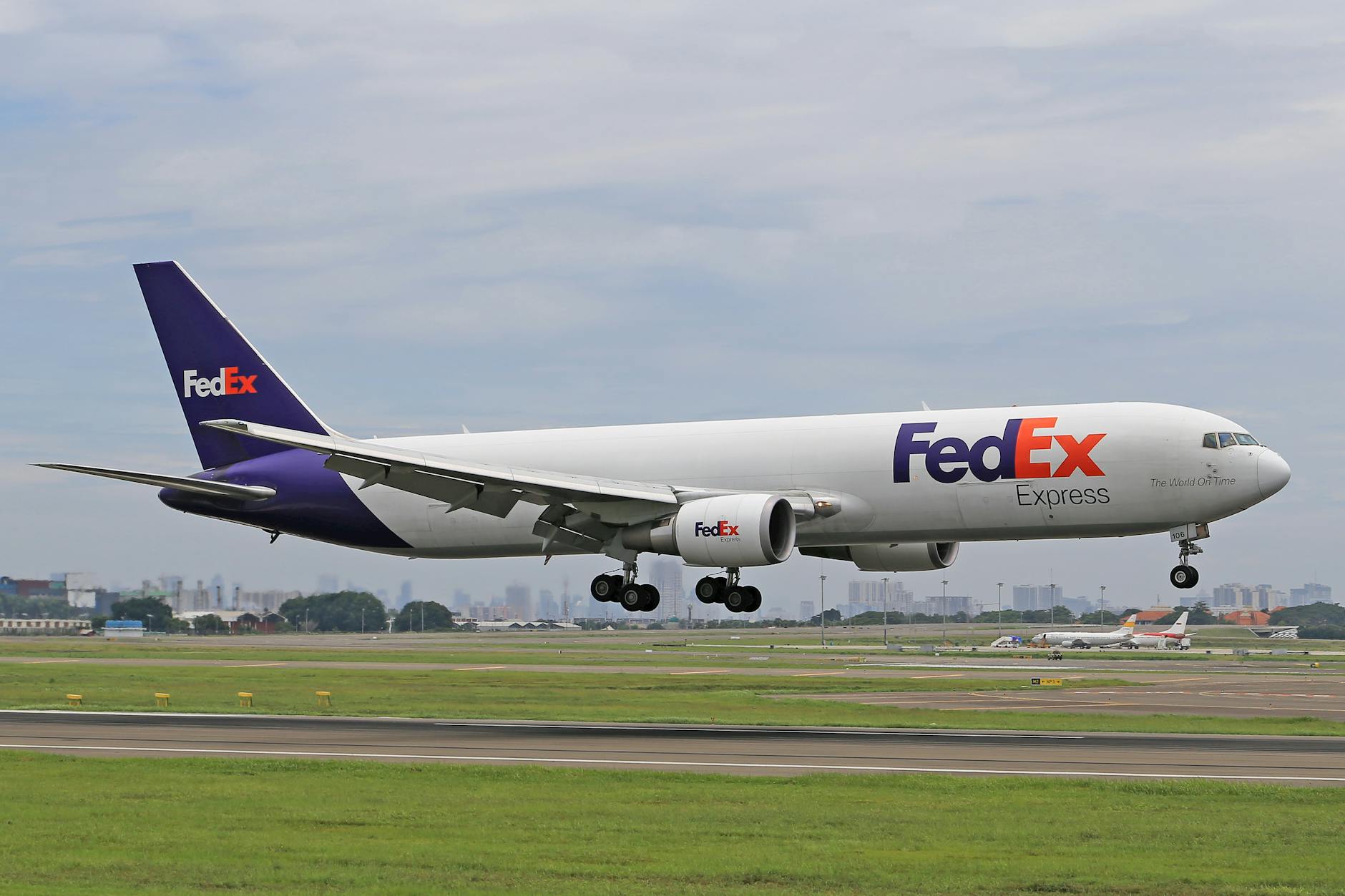
The Costco class-action lawsuit, filed on March 11, 2026, in the Eastern District of New York, represents one of the most closely watched consumer tariff cases. Costco customers allege that the warehouse retailer passed illegal tariff costs along to shoppers and that any refunds the company receives from the government should be shared with the consumers who actually bore the burden. Costco is an interesting defendant because of its reputation for keeping prices low. The lawsuit essentially argues that even a company known for thin margins inflated its prices to cover tariff duties that were never legally valid. The proposed class actions against FedEx and EssilorLuxottica take slightly different angles. The FedEx case, filed in the Northern District of Georgia, targets shipping surcharges that consumers allege were tied to tariff costs.
The EssilorLuxottica suit, filed in the Southern District of Florida, focuses on Ray-Ban and other eyewear brands whose prices allegedly rose due to tariffs on imported goods. In each case, the consumer plaintiffs are seeking a share of any tariff refunds these companies receive from the government, plus damages for the price increases they endured. What makes these cases particularly instructive is the range of industries involved. Retail membership clubs, shipping companies, luxury eyewear manufacturers. The breadth suggests that virtually any company that imported goods and adjusted prices could face similar suits. Barry Appleton has stated publicly that he expects many more consumer lawsuits to surface in the coming months, and the legal theories being tested now will shape the viability of future claims across sectors.
What Consumers Need to Prove and Why It Is Difficult
Winning a consumer tariff refund lawsuit requires clearing a high bar. Plaintiffs must demonstrate that a specific company raised prices on specific products by a specific amount because of the now-invalidated IEEPA tariffs. That sounds straightforward, but pricing is rarely that transparent. Companies adjust prices for dozens of reasons, including raw material costs, labor, transportation, currency fluctuations, and competitive dynamics. Isolating the tariff component from all of those other variables is the central legal challenge. Legal experts have been blunt about the difficulty.
Unless a company explicitly stated it raised a product’s price by a certain amount due to tariffs, proving the connection is hard. Some companies did make such statements publicly or in financial filings, which could provide a paper trail for plaintiffs. But many did not, and in those cases, consumers are left trying to reconstruct pricing decisions using indirect evidence like timing correlations between tariff announcements and price changes. There is also a practical tradeoff to consider. Even if consumers win, tariff refunds from the government to businesses could take years, according to multiple experts. That means consumer class-action payouts, which depend on companies first receiving their refunds, could be delayed even further. Consumers weighing whether to join a class action should understand that this is likely a long process with an uncertain outcome, not a quick path to a refund check.
The Government’s Response and New Tariff Battles
The Supreme Court’s ruling did not end the tariff fight. It shifted it. Almost immediately after the decision, President Trump imposed new 10 percent tariffs under Section 122 of the Trade Act of 1974, with plans to raise them to 15 percent. Critics called the move an illegal end-run around the court’s decision, and the legal challenges came fast. New York Attorney General Letitia James led a coalition of nearly two dozen states in suing to block the new tariffs on March 5, 2026, arguing they exceeded the president’s authority under Section 122.
California filed its own separate lawsuit that same day. These state-led cases are distinct from the consumer class actions, but they are part of the same broader legal ecosystem. If the Section 122 tariffs are also struck down, another round of refund litigation could follow, potentially creating a second wave of consumer lawsuits on top of the IEEPA cases already pending. The warning for consumers is this: the legal ground is still shifting. New tariffs, new lawsuits, and new court decisions could change the calculus at any point. Joining a class action now does not guarantee that the legal theory will hold up through months or years of litigation, especially as the administration continues testing alternative legal authorities for trade policy.

Legislative Proposals to Help Consumers Directly
While lawsuits grind through the courts, some lawmakers are trying to provide faster relief. On March 13, 2026, Senator Heinrich proposed $1,200 “Tariff Refunds” designed to offset the inflationary impact of tariffs on American families. The proposal would bypass the complex litigation process entirely and put money directly into consumers’ pockets through a refund mechanism similar to pandemic-era stimulus payments.
Whether such legislation passes is uncertain, but it highlights an important reality: class-action lawsuits are not the only avenue for consumer relief. Legislative solutions could move faster and reach more people than court cases that require proof of individual harm. Consumers should watch both tracks, the legal and the legislative, because the first one to deliver results may not be the one that seems most obvious right now.
What Comes Next for Tariff-Related Consumer Claims
The next several months will be decisive. Courts will begin ruling on motions to dismiss in the Costco, FedEx, and EssilorLuxottica cases, which will signal whether consumer tariff-refund claims have legal legs or are destined to fail at the threshold. Meanwhile, the state-led challenges to Section 122 tariffs will work through the federal court system, potentially reaching the Supreme Court again.
The broader precedent matters beyond tariffs. If courts recognize that consumers can sue for a share of unlawful government charges that businesses passed along, it could open the door to similar claims in other regulatory contexts. If courts reject these claims, consumers will be left relying on voluntary corporate refunds or legislative fixes. Either way, the collision between presidential war powers, trade law, and consumer rights has created a legal landscape that did not exist a year ago, and the outcomes will shape how Americans recover money from government overreach for years to come.
Frequently Asked Questions
Can I get a refund for higher prices I paid because of the IEEPA tariffs?
Possibly, but not automatically. The Supreme Court struck down the tariffs, but consumer refunds depend on class-action lawsuits or legislative action. You may be eligible if you join a class action, but the process will likely take years.
How do I join the Costco or other tariff class-action lawsuits?
Most class actions do not require you to actively sign up at the beginning. If a class is certified by the court, you will typically receive notice and can choose to participate. Watch for official court notices rather than third-party solicitations.
Will companies automatically pass tariff refunds along to customers?
There is no legal requirement for companies to share government tariff refunds with consumers. That is exactly why consumer class-action lawsuits have been filed, to try to compel companies to return some of those funds to shoppers who paid inflated prices.
How long will tariff refund lawsuits take?
Experts say tariff refunds from the government to businesses could take years. Consumer class actions, which depend on those business refunds happening first, could take even longer. Legislative proposals like Senator Heinrich’s $1,200 Tariff Refund could potentially deliver relief faster, but passage is uncertain.
Are the new tariffs under Section 122 also being challenged?
Yes. New York Attorney General Letitia James led a coalition of nearly two dozen states in suing to block the new tariffs on March 5, 2026. California filed a separate lawsuit the same day. If those tariffs are also struck down, another round of refund litigation could follow.
What evidence do I need to support a tariff refund claim?
Keep purchase receipts for imported goods bought during the tariff period. Any communications from retailers attributing price increases to tariffs, such as emails, posted notices, or public statements, can also strengthen a claim. The stronger the paper trail connecting your purchase price to the tariff, the better your position.
You Might Also Like
- Could Trump Face Lawsuits If War Escalation Triggered Nationwide Gas Price Increase
- Could Drivers File Lawsuits If War Raised Gas Prices Nationwide
- Could War Decisions Be Blamed For Rising Fuel Costs In Court