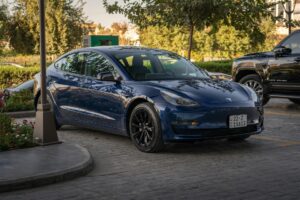

A class action lawsuit filed in Quebec alleges that Tesla Model 3 and Model Y vehicles suffer from widespread paint defects that caused owners significant repair costs. The Superior Court of Quebec approved this class action on September 13, 2023, and as of April 2026, the case remains ongoing with no settlement reached.
One Quebec owner reported that the paint on his Tesla Model 3 began flaking and peeling within six months of purchase, ultimately requiring a full repaint that cost approximately $5,000 out of his own pocket before he joined the legal action. This lawsuit represents one of the most significant consumer protection battles against Tesla in Canada, affecting thousands of vehicle owners who purchased or leased Model 3 and Model Y vehicles in Quebec since 2018. The case highlights a critical gap in Tesla’s warranty coverage and raises questions about whether the company’s manufacturing standards adequately protect consumers in harsh climates.
Table of Contents
- What is the Tesla Model 3 Paint Defect Class Action Lawsuit?
- The Paint Defect Problem and Climate Connection
- Who Is Eligible and What Compensation Are They Seeking?
- Tesla’s Response and Preventative Actions
- Common Complaints from Affected Owners
- How to Determine If Your Vehicle Is Affected
- Timeline of the Lawsuit and Current Status
- What This Case Means for Tesla Owners and the Industry
- Conclusion
What is the Tesla Model 3 Paint Defect Class Action Lawsuit?
The class action lawsuit was originally filed in May 2020 by Jean-François Bellerose in the Superior Court of Quebec. After years of litigation, the court formally approved the class action on September 13, 2023, determining that the claim met the legal requirements to proceed as a collective action. In April 2025, the court authorized the commencement of main proceedings, with a trial scheduled to be held in Montreal. The case is being administered by the court-appointed organization Services Concilia, which handles notification to eligible owners and manages claim submissions.
The lawsuit covers all tesla Model 3 and Model Y vehicles purchased or leased in Quebec between January 1, 2018, and the publication date of the class notice. To be eligible, owners must have experienced paint damage—specifically flaking or peeling—that occurred within 48 months of their vehicle’s purchase or lease date. This timing requirement reflects the pattern of damage reported by affected owners, most of whom experienced the defects early in their vehicle ownership. The scope of this class action is significant because it encompasses thousands of vehicles sold in Quebec alone, making it one of the largest consumer protection actions against Tesla in Canada. The case specifically addresses Tesla’s refusal to cover paint damage under the vehicle’s factory warranty, placing the full burden of repair costs on owners.
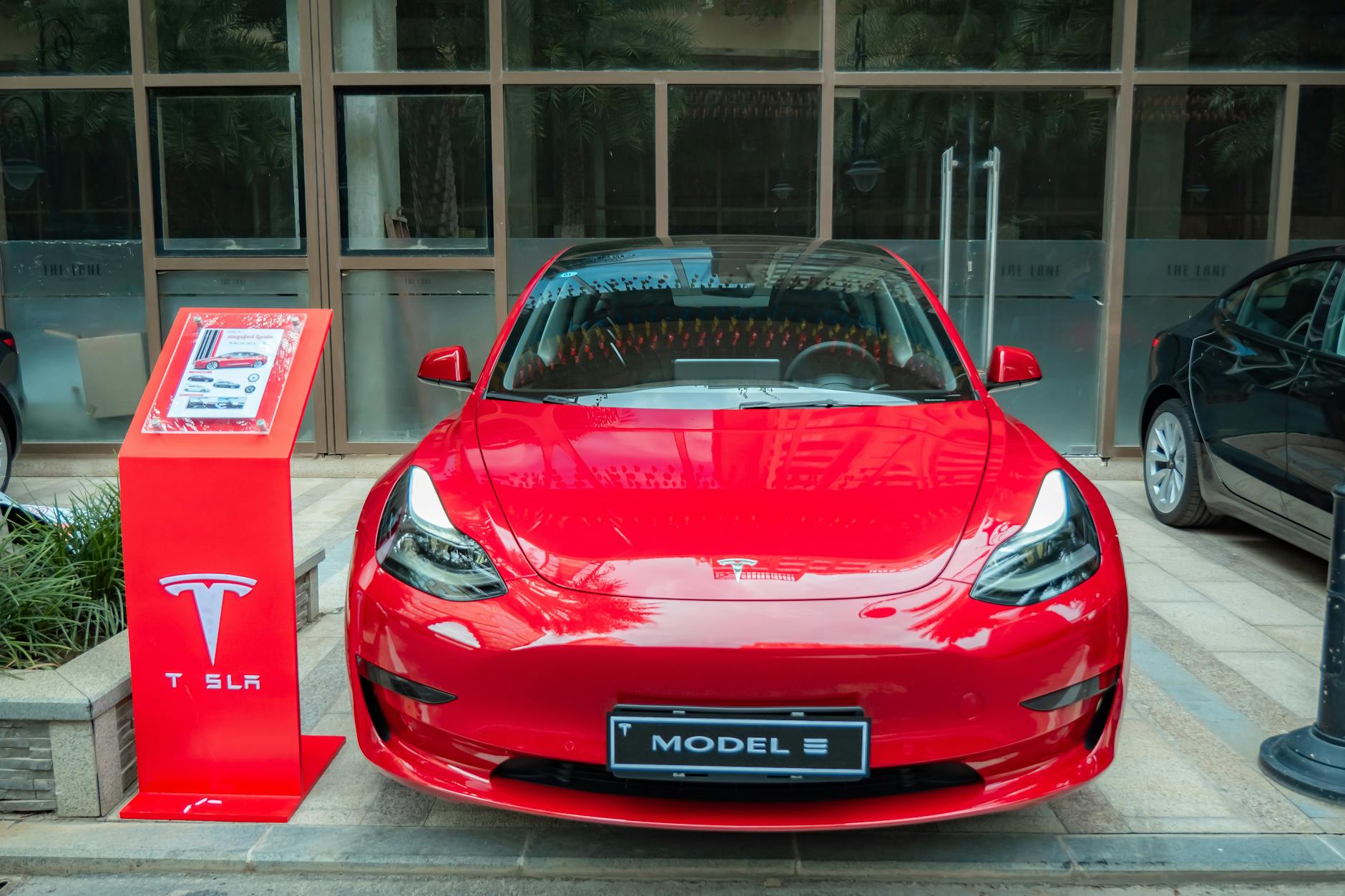
The Paint Defect Problem and Climate Connection
Owners affected by this defect report that their vehicle‘s paint began flaking and peeling within the first six months of ownership, escalating over time to require expensive full or partial repaints. The defect appears to be particularly severe in Quebec, where the combination of harsh winter conditions, road salt, and temperature fluctuations may accelerate paint degradation. One consistent complaint from affected owners is that Tesla’s customer service repeatedly denied warranty coverage for the damage, arguing that the paint issues resulted from environmental factors rather than manufacturing defects. The estimated cost to repair the paint damage ranges from approximately $4,000 to $5,000 per vehicle, depending on the extent of flaking and whether the entire vehicle exterior requires repainting.
This represents a significant unplanned expense for owners who expected their new vehicles to have durable factory finishes. The financial impact is particularly acute for owners in lower income brackets who financed their vehicle purchases and now face repair bills that rival their monthly car payments. A critical limitation of this lawsuit is that, even if successful, it may not result in a full reimbursement covering all associated costs, such as car rental expenses, lost time, or depreciation in vehicle value caused by the paint damage. Additionally, owners must prove that their paint damage occurred within the specified 48-month window and have documentation showing when the damage first appeared, which some owners may lack.
Who Is Eligible and What Compensation Are They Seeking?
To qualify as a class member, you must have purchased or leased a Tesla Model 3 or Model Y in Quebec between January 1, 2018, and the date of the class notice publication. The damage must have occurred within 48 months of the vehicle purchase or lease date. Owners do not need to have initiated any previous legal action or complaint; as long as they own or owned a qualifying vehicle, they are automatically included in the class and can file a claim through Services Concilia. The plaintiff, Jean-François Bellerose, is seeking C$4,737.66 in reimbursement for his personal paint repair costs, plus two separate C$500 compensation payments for damages beyond the direct repair costs.
These additional payments are intended to compensate owners for inconvenience, loss of use of their vehicles during repair, and the breach of the implied warranty that a new vehicle should be free from manufacturing defects. If successful, the compensation structure established in this case could apply to all eligible class members. The potential financial exposure for Tesla is substantial. Based on approximately 6,293 Model 3 units sold in Quebec during the relevant period, and assuming that roughly half of these vehicles experienced paint defects requiring the estimated $5,000 repair cost, the total exposure could reach approximately C$18 million. This figure does not account for Model Y vehicles, which are also included in the class action, making the true potential exposure significantly higher.

Tesla’s Response and Preventative Actions
In the period shortly after the class action lawsuit was filed, Tesla launched a program offering free mud flaps and paint protection film (PPF) kits to both new and existing Tesla owners. While these offerings were presented as customer goodwill gestures, they arrived notably after the lawsuit was filed and appear to address the underlying concern that standard factory paint finishes were insufficient to protect vehicles in harsh climates. The mud flaps help reduce road salt spray exposure, and the PPF provides a physical barrier against environmental damage. However, these preventative offerings do not address the core issue for owners who already experienced paint damage before the kits became available.
Furthermore, paint protection film is not a universal solution—it requires professional installation, adds visible layers to the vehicle exterior (which some owners find aesthetically undesirable), and protects only areas where the film is applied. A comparison with traditional automakers like BMW and Mercedes-Benz shows that these manufacturers typically include superior paint preparation and protective coatings in their factory finishes, suggesting that Tesla’s base paint protection was below industry standards. The trade-off between Tesla’s preventative measures and the legal claim is important to understand. Accepting the free kits does not waive an owner’s right to participate in the class action; however, it may influence how a court evaluates Tesla’s efforts to remedy the defect if the case reaches settlement or judgment.
Common Complaints from Affected Owners
Owners reporting paint defects consistently describe a progression of damage: small spots of paint flaking beginning within six months of ownership, followed by expanding areas of peeling that expose the underlying primer or metal. The damage typically appears first on horizontal surfaces such as the roof, hood, and trunk lid, where water pooling and UV exposure are greatest. One owner reported taking his Model 3 to Tesla service multiple times within the first year of ownership, only to be told each time that the paint damage was cosmetic and not covered under warranty. Another recurring complaint is that Tesla initially offered minimal reimbursement for out-of-pocket repairs—far less than the actual cost of professional repainting—or suggested that owners pay for repairs themselves.
This refusal to take responsibility for what owners characterize as a defect, combined with the expensive corrective measures required, created the frustration that ultimately motivated the class action filing. Owners also report that by the time they pursued legal action, their vehicles had already depreciated significantly, compounding their financial loss. A significant limitation is that not all Model 3 owners in Quebec experienced paint defects; some owners have reported that their vehicles maintained excellent paint condition for years. This variability in defect occurrence has complicated Tesla’s defense and supports the argument that certain batches or production periods may have had more severe quality control issues than others.

How to Determine If Your Vehicle Is Affected
To assess whether your vehicle is affected, examine the horizontal surfaces of your Model 3 or Model Y, particularly the roof, hood, trunk, and any exposed primer seams. Look for small areas where the paint appears to be lifting, flaking, or showing signs of bubbling beneath the surface. Run your hand along these areas gently; if paint flakes off easily or feels rough and uneven compared to undamaged areas, your vehicle may be part of the defect pattern. Document any paint damage with photographs, noting the date you first observed the problem and the vehicle’s current mileage.
If you took your vehicle to a Tesla service center for paint evaluation, request and save copies of any inspection reports or service records, as these documents will be important evidence if you file a claim. Gather any receipts or estimates for paint repairs you may have obtained from independent body shops, as these establish the cost of remediation. The claim process through Services Concilia requires you to provide documentation of the paint defect and supporting evidence of when the damage first appeared. While participation in the class action does not require hiring an attorney—the case is managed on behalf of all class members—having organized documentation will significantly strengthen your individual claim within the class action.
Timeline of the Lawsuit and Current Status
The lawsuit has progressed through multiple legal milestones since its filing in May 2020. The Superior Court of Quebec’s approval of the class action on September 13, 2023, represented a critical turning point, as it validated that the paint defect claims met the threshold for certification and affected a sufficiently large and identifiable group of vehicle owners. Subsequently, on April 15, 2025, the court approved the commencement of main proceedings and set a trial date in Montreal.
As of April 2026, no settlement agreement has been reached between the parties, and the case continues through the litigation process. The trial has not yet occurred, meaning class members are still in the period of ongoing legal proceedings. The duration and ultimate outcome remain uncertain, though recent court approvals indicate that the legal system has taken the claims seriously and determined that there is sufficient merit to proceed to trial.
What This Case Means for Tesla Owners and the Industry
This class action lawsuit has broader implications for consumer protections in the automotive industry. It establishes that manufacturers cannot dismiss paint defects as purely cosmetic issues exempt from warranty coverage, particularly when the defects appear within a reasonable timeframe and affect a significant population of vehicles. The case also highlights the importance of climate-specific durability testing, especially for vehicles sold in regions with harsh winters and road salt exposure.
For Tesla owners considering purchasing a Model 3 or Model Y, this case serves as a reminder to carefully inspect vehicles during the initial delivery process and to document any paint issues immediately. Future Tesla buyers should also take advantage of the free paint protection film offerings and consider additional protective measures in harsh climates. Regardless of the lawsuit’s outcome, the increased awareness of this defect may influence Tesla’s future manufacturing standards and warranty policies for paint coverage.
Conclusion
The Tesla Model 3 Paint Defect Class Action represents an ongoing legal effort to hold the company accountable for manufacturing defects that have cost thousands of owners thousands of dollars in repairs. With court approval secured and main proceedings authorized, the case has cleared significant legal hurdles and continues toward trial. If you own a Tesla Model 3 or Model Y purchased or leased in Quebec between January 1, 2018, and the class notice publication date, and your vehicle experienced paint flaking or peeling within 48 months of purchase or lease, you are eligible to participate in this class action at no cost.
To protect your rights, document any paint defects with photographs and dates, gather service records and repair estimates, and monitor updates from Services Concilia regarding the claims process. As this lawsuit progresses toward trial, class members can expect additional information about claim submission deadlines and the procedures for receiving compensation if the case is successful. The outcome of this litigation may ultimately reshape how Tesla and other manufacturers approach paint quality control and warranty coverage for cosmetic defects in cold climates.