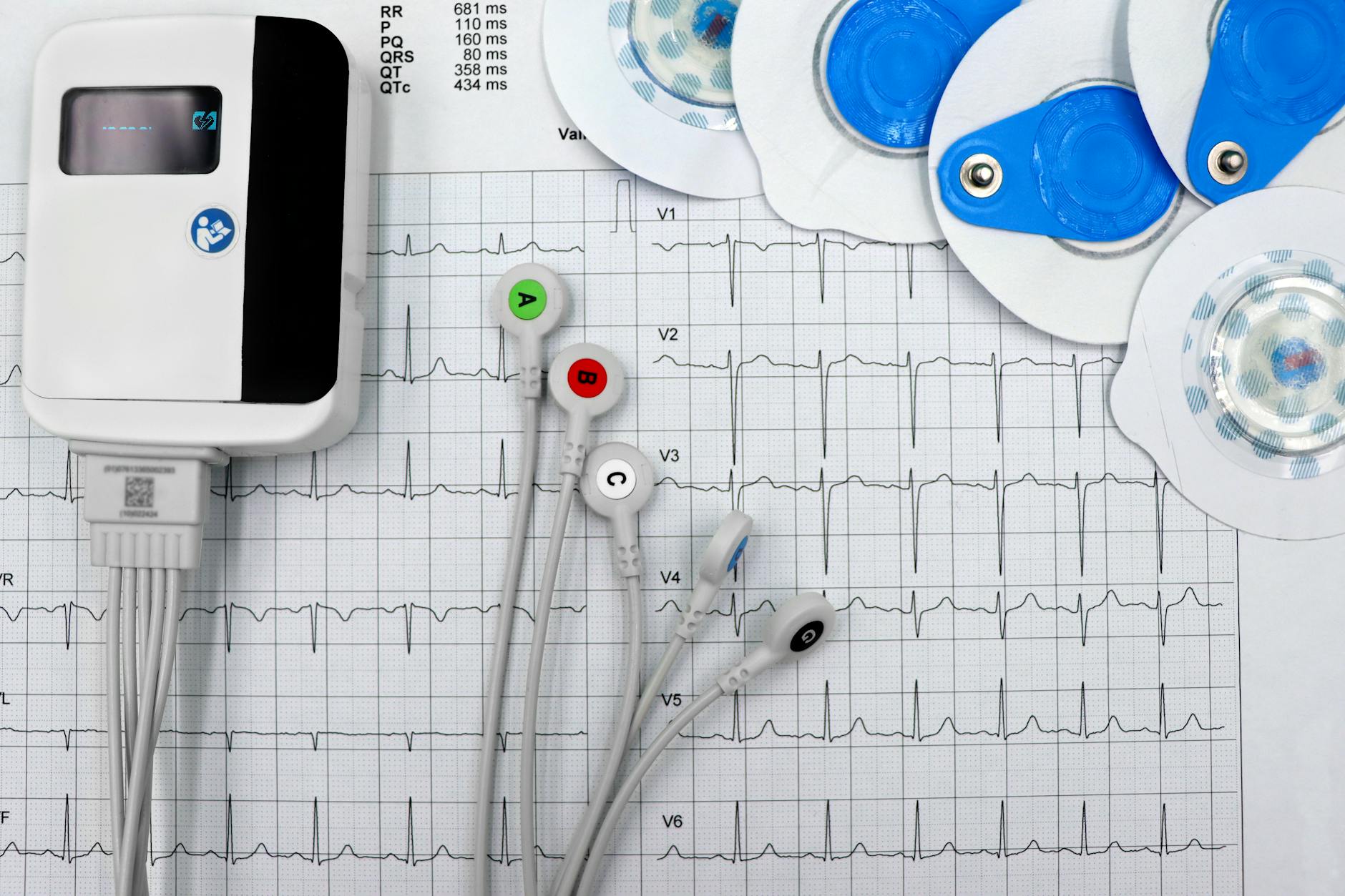
Medtronic pacemaker lead failures represent a serious product liability concern affecting hundreds of thousands of patients who received defective cardiac devices. These failures—ranging from lead fractures to electrical malfunctions—have prompted multiple recalls, lawsuits, and at least one major settlement. In recent years, new litigation has emerged involving specific devices like the Azure pacemaker and StarFix leads, with some cases resulting in severe patient harm or death.
The issue extends beyond a single product model. Medtronic has faced recalls involving over 348,000 implantable cardiac devices due to manufacturing defects that prevent the delivery of life-saving therapy. For patients who rely on these devices to regulate their heartbeat, a failure can mean the difference between routine medical care and a life-threatening emergency. A notable 2025 case involved a patient who died from complications after an attempted extraction of a defective StarFix lead—the procedure itself triggered a coronary sinus tear that the device’s design made impossible to prevent.
Table of Contents
- What Are Medtronic Pacemaker Lead Failures and How Do They Occur?
- Historical Precedent—The Sprint Fidelis Settlement and What It Means
- Recent Lawsuits and Litigation Developments (2025-2026)
- The 348,000-Unit Recall and What It Means for Patients
- Complications and Risks Associated with Failed Pacemaker Leads
- Who Qualifies for Compensation and How Claims Are Evaluated
- What to Do If You Have an Affected Medtronic Device
- Looking Forward—Litigation Status and Potential Settlements
What Are Medtronic Pacemaker Lead Failures and How Do They Occur?
Pacemaker leads are thin, insulated wires that carry electrical signals from the device to the heart. When a lead fails, the pacemaker cannot properly sense the heart’s natural rhythm or deliver necessary pacing therapy. Medtronic’s lead failures have included fractures, insulation breaks, and electrical shorts that develop months or years after implantation. The Sprint Fidelis lead family, recalled in 2007, suffered from fractures that could occur during normal heart activity. More recently, the Azure pacemaker has experienced lead noise and double sensing complications—situations where the device incorrectly interprets electrical signals and fires inappropriately, potentially causing dangerous heart rhythms. Manufacturing defects contribute significantly to these failures.
The 348,000-unit recall announced by Medtronic involved an out-of-specification gas mixture inside implantable cardiac devices that prevented delivery of high-voltage therapy when needed. This manufacturing issue was systematic rather than isolated to a handful of devices, meaning many patients carried defective products without knowing it. The defect only becomes apparent when a patient actually needs the device to deliver therapy during a cardiac emergency. Design flaws have also played a role. The StarFix lead, for example, featured non-retractable lobes intended to anchor the lead in the coronary sinus. However, these lobes created a complication during removal: they could puncture the coronary sinus wall, potentially causing life-threatening internal bleeding or cardiac tamponade—where fluid accumulates around the heart and prevents it from beating.
Historical Precedent—The Sprint Fidelis Settlement and What It Means
The most significant precedent for Medtronic pacemaker litigation is the Sprint Fidelis settlement, finalized in 2010. Medtronic agreed to pay $268 million to resolve approximately 8,100 lawsuits filed by patients harmed by the Sprint Fidelis lead recall. More than 250,000 Sprint Fidelis leads had been implanted before the October 2007 recall announcement. The company estimated that at least 13 deaths resulted from lead fractures that caused dangerous arrhythmias when the leads failed. This settlement established important precedent: Medtronic acknowledges financial responsibility for widespread device failures, even when the company disputes causation in individual cases.
The settlement covered personal injury claims, wrongful death claims, and in some cases, compensation for the costs of device replacement surgery. However, the settlement required proof that a patient was harmed—either through documented complications, surgical interventions, or direct medical consequences. Not every patient with an implanted Sprint Fidelis lead received payment, particularly those who never experienced a failure. The 2010 settlement also highlighted a limitation: by the time litigation settled, many patients had already suffered complications or required surgical revision. The resolution provided some financial compensation, but it could not undo the trauma of emergency surgery, the risk of anesthesia complications, or the ongoing anxiety of living with a replaced device.
Recent Lawsuits and Litigation Developments (2025-2026)
The most serious recent case involved a patient in 2025 who died from complications after attempted extraction of a defective StarFix lead. The patient developed a coronary sinus tear during the extraction procedure—a complication allegedly caused by the lead’s non-retractable lobes. The resulting cardiac tamponade cut off oxygen supply to the brain for 25–30 minutes, causing permanent neurological damage before the patient died. This case is particularly significant because it involves a product failure during the extraction procedure itself, suggesting the defect creates danger not just during normal use but also during corrective surgery. In Connecticut, a woman filed suit after her Azure pacemaker malfunctioned within weeks of implantation.
The device experienced atrial lead noise and double sensing complications—technical malfunctions where the pacemaker misinterprets electrical signals in the atrium and either fires therapy unnecessarily or fails to detect genuine arrhythmias. These complications forced her to undergo device replacement surgery despite having just received implantation. Her case illustrates how defects can emerge almost immediately after surgery, before patients have even completed their initial post-operative recovery period. A major recent development occurred when a Minnesota District Court denied Medtronic’s motion to dismiss multiple defective product lawsuits involving recalled implantable defibrillators. This denial is significant because it allows cases to proceed toward discovery and potential settlement rather than being dismissed on procedural grounds. It suggests that courts view the product liability claims as having sufficient merit to warrant full litigation.

The 348,000-Unit Recall and What It Means for Patients
In a sweeping recall, Medtronic announced that over 348,000 implantable cardiac devices contained an out-of-specification gas mixture that prevented delivery of high-voltage therapy. High-voltage therapy is the defibrillator’s critical function—when the heart enters a dangerous rhythm like ventricular fibrillation, the device delivers an electric shock to restore normal rhythm. If the device cannot deliver this shock due to a manufacturing defect, the patient faces immediate life-threatening risk. The scope of this recall affects hundreds of thousands of patients who may not have any symptoms or warning signs.
Many may not even be aware their device is affected, particularly if they have not required therapy since implantation. The defect only becomes apparent if the patient’s condition deteriorates and the device is actually needed. Unlike a recall for a device that consistently fails, this defect creates a hidden risk—the device may function normally for years while the patient faces unknown danger. Comparison to other recalls illustrates the severity: the Sprint Fidelis recall involved 250,000 leads with a known failure rate; this newer recall affects 348,000 complete devices due to a manufacturing specification issue. Patients with affected devices face the difficult choice of whether to undergo elective replacement surgery (which carries its own risks, including infection and anesthesia complications) or continue with a device that may fail when needed most.
Complications and Risks Associated with Failed Pacemaker Leads
When a pacemaker lead fails, patients face multiple potential complications. A fracture can cause the heart to revert to a dangerous baseline rhythm, potentially triggering syncope (fainting), stroke, or sudden cardiac death if no backup rhythm exists. The StarFix and Azure lawsuits highlight a second category of risk: electrical malfunctions that cause the device to fire inappropriately or fail to detect genuine arrhythmias. These can be as dangerous as a complete failure—unnecessary shocks are painful and can trigger additional arrhythmias, while missed arrhythmias leave the patient unprotected. Device replacement surgery carries its own serious risks that complicate the injury picture.
Extracting an old lead and implanting a new one requires anesthesia, carries infection risk, and creates the possibility of vascular or cardiac injury during the procedure. The StarFix case demonstrates the extreme: a lead designed to be safely removed actually caused a tear in the coronary sinus that proved fatal. Patients may face a dilemma where the device failure itself is dangerous, but the necessary corrective surgery is equally or more dangerous. A critical limitation in many lawsuits is proving causation. Some patients experience symptoms that could potentially be related to a device failure, but could also result from the underlying heart condition. Did the patient’s syncope occur because the device failed, or because of the patient’s underlying arrhythmia? This uncertainty can complicate compensation claims, particularly for patients who experienced symptoms but did not undergo device replacement.
Who Qualifies for Compensation and How Claims Are Evaluated
Patients with affected Medtronic devices may have multiple potential paths to compensation. If a class action or settlement is formally established, it typically covers patients who meet specific criteria: proof of implantation of the affected device model, documentation of harm (either through medical complications or replacement surgery), and usually a deadline for filing claims. In the Sprint Fidelis settlement, claimants had to prove they experienced a specific complication attributable to the lead fracture. Current litigation against Medtronic for the Azure pacemaker, StarFix lead, and recalled implantable defibrillators remains in early stages.
These cases have not yet resulted in formal settlements, though the Minnesota court’s decision to deny dismissal indicates they may proceed toward settlement. Patients currently involved in these lawsuits typically work with personal injury attorneys who evaluate medical records, operative reports, and expert opinions to assess whether their injury is likely compensable. An example: a patient with an Azure pacemaker who required replacement surgery within three months of implantation would likely have a strong claim, provided medical documentation supports that the device malfunction necessitated the surgery. Conversely, a patient with an affected device who has never required replacement and experienced no documented complications may have a weaker claim despite carrying a defective device.
What to Do If You Have an Affected Medtronic Device
If you have received a Medtronic pacemaker, implantable defibrillator, or cardiac resynchronization device, the first step is to identify which model you received. Check your implantation records or device identification card for the specific model number and implant date. Cross-reference this with Medtronic’s recalls and field safety notices. Medtronic’s website maintains current information about recalled devices, and your cardiologist’s office should have records of your device.
If your device is subject to a recall or is implicated in ongoing litigation, consult with your cardiologist about your options. Some recalled devices require replacement; others may only require closer monitoring. Your physician can advise whether elective replacement is recommended given your specific condition and the device’s history. If you have experienced complications—unusual symptoms, required device replacement surgery, or documented device malfunction—consult with a personal injury attorney who handles product liability cases involving medical devices. Many such attorneys offer free initial consultations and work on contingency, meaning you pay no fee unless compensation is recovered.
Looking Forward—Litigation Status and Potential Settlements
As of 2026, Medtronic faces multiple active lawsuits involving its implantable cardiac devices. The Minnesota court’s decision not to dismiss the defibrillator cases suggests these matters will likely proceed toward settlement or trial. The company’s history—particularly the $268 million Sprint Fidelis settlement—indicates Medtronic may opt to resolve newer cases through settlement rather than extended litigation.
However, no formal settlement has been announced for the Azure pacemaker, StarFix lead, or the broader recall cases. The trajectory of these cases depends on several factors: the strength of medical evidence linking specific devices to injuries, the number of affected patients willing to pursue claims, and Medtronic’s litigation strategy. If patterns from the Sprint Fidelis settlement hold, eventual compensation for affected patients seems likely, though the timeline and amount remain uncertain.
You Might Also Like
- Straumann Dental Implant Failure Class Action
- Pinnacle Hip Implant Metal Failure Class Action
- DePuy Attune Knee Replacement Failure Class Action
Open Settlements You Can Claim Now
Browse current class action settlements accepting claims — several require no proof of purchase: