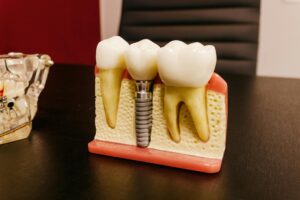

Based on current searchable records, there is no active, documented class action lawsuit specifically targeting Straumann dental implant failures with established claims, settlement amounts, or court filings. However, the dental implant industry does face periodic litigation, and understanding the status of Straumann products and how to monitor for potential future claims is important for patients who have received these implants or are considering them. Straumann is a Swiss-based manufacturer with one of the largest market shares in the dental implant industry.
The company has faced patent disputes in the past—notably a $35 million settlement with Align Technology in 2019 over ClearCorrect patents—but this was a business-to-business intellectual property matter, not a consumer product liability case. If you have had problems with a Straumann implant or are researching whether litigation exists, it’s critical to distinguish between different types of legal actions. Straumann implants are widely used and perform well in documented clinical settings, with peer-reviewed studies showing 97-99% survival rates over 10 or more years in private practice. However, individual failures do occur, and understanding your rights as a patient is essential.
Table of Contents
- What Would Constitute a Straumann Dental Implant Class Action?
- How to Monitor for Active Litigation and Court Filings
- Straumann’s Product Line and Clinical Performance Data
- What Options Exist If You’ve Had Problems With a Straumann Implant?
- Patent and Business Disputes Don’t Equal Product Defect Litigation
- Comparing Straumann to Other Major Implant Systems
- Staying Informed About Future Litigation and Regulatory Actions
- Conclusion
What Would Constitute a Straumann Dental Implant Class Action?
A dental implant class action would typically arise when a manufacturer’s product design, materials, or manufacturing process causes widespread failures affecting a significant number of patients. Class actions in the dental device space have historically involved issues like implant loosening, bone loss around the implant, material fractures, or infections linked to a systemic defect—not isolated failures in otherwise successful products. For Straumann, potential triggering issues would need to be documented across multiple patients and linked to a specific product line or manufacturing defect. For example, if a particular batch of Roxolid (titanium-zirconium alloy) implants showed premature failure rates significantly higher than expected, or if a design flaw in the connection between the implant and abutment was discovered, that could generate class action litigation.
Currently, no such widespread documented problem appears in federal court databases or legal case tracking websites. The absence of litigation doesn’t mean Straumann products are problem-free for every patient. Individual implant failures happen in any dental implant system—from Straumann, Nobel Biocare, zimmer Biomet, and others. The difference is that a class action requires evidence of a systemic defect affecting a defined group, not scattered individual cases.

How to Monitor for Active Litigation and Court Filings
If you want to track whether a Straumann-related class action has been filed, the most reliable sources are federal court databases and legal case aggregators. The U.S. Courts’ Public Access to Court Electronic Records (PACER) system allows free searches of federal district court filings. Additionally, websites like Justia and Class Action Tracker maintain databases of active class action lawsuits organized by defendant and product category.
A limitation of web searches is that newly filed cases may take weeks to be indexed by search engines, and regional state court filings may not appear in major news coverage immediately. If you suspect you have a claim related to a Straumann implant defect, consulting a personal injury attorney who specializes in medical device litigation is more reliable than relying on internet searches alone. Many attorneys offer free consultations and can access legal databases with faster-updated information than the general public. Another important warning: be cautious of websites or advertisements claiming to represent active class actions with inflated settlement figures or guaranteed payouts. Legitimate class action settlements are announced through official court notices and defendant press releases, not through targeted advertising.
Straumann’s Product Line and Clinical Performance Data
Straumann manufactures several implant systems, with Roxolid implants and their traditional titanium lines being the most widespread. Peer-reviewed research published in the Journal of Dental Research and other clinical journals documents survival rates of 97-99% over 10+ years in private practice settings. This high success rate is consistent across most major implant manufacturers when implants are placed and maintained correctly. However, clinical study populations typically include patients with good bone quality, appropriate implant placement depth and angle, and consistent follow-up care.
Real-world outcomes in less ideal conditions—such as patients with bone loss, smokers, or those with poor oral hygiene—may differ from published survival rates. Additionally, the studies track implant survival (whether the implant remains in the jaw), not necessarily patient satisfaction or freedom from complications like peri-implantitis (infection around the implant) or soft tissue recession. An example of how context matters: a patient might have an implant that technically survives according to clinical definitions but experiences chronic infection or bone loss requiring additional treatment. Such cases might generate complaints or individual lawsuits, but they would not automatically constitute evidence of a class action-level defect.
What Options Exist If You’ve Had Problems With a Straumann Implant?
If you’ve experienced failure, pain, or complications with a Straumann implant, your first step should be communication with your treating dentist or implant surgeon. Many implant-related complications can be managed through targeted treatment—antibiotics for infection, bone grafting for bone loss, or reimplantation with a different system. Your dentist’s records, imaging, and assessment of whether the failure was due to product defect versus surgical technique, patient factors, or maintenance issues are crucial. If you believe the failure was caused by a defect in the implant itself rather than surgical or maintenance factors, you have several options.
One is to consult a personal injury attorney who handles medical device cases to assess whether you have a potential individual lawsuit claim. Another is to monitor legal databases for whether a class action emerges. The tradeoff is that individual lawsuits can be costly and time-consuming, whereas class actions distribute costs among many plaintiffs but typically result in smaller individual payouts unless a very large settlement is reached. A comparison: dental implant class actions are less common than pharmaceutical drug class actions because implant failures are often multifactorial (involving surgical technique, bone quality, patient compliance) rather than purely attributable to the device itself. This makes causation harder to establish at scale.
Patent and Business Disputes Don’t Equal Product Defect Litigation
The $35 million settlement between Align Technology and Straumann in 2019 is sometimes referenced in discussions of Straumann litigation, but it’s important to understand what it actually was: a patent dispute over ClearCorrect technology, not a consumer product liability case. In this settlement, Straumann paid Align to resolve claims that Straumann was infringing on patents related to clear aligner systems—a completely different product category from dental implants. A critical warning: conflating business settlements with product defect litigation can lead to misunderstanding a company’s safety profile.
Patent disputes and intellectual property conflicts are routine in any large manufacturing industry and don’t reflect problems with the safety or efficacy of products. Straumann’s implants have not been the subject of a documented patent infringement settlement, and the ClearCorrect case should not be cited as evidence of implant quality issues. If you’re evaluating Straumann implants for your own treatment, business litigation history is less relevant than clinical performance data, surgeon experience, and your specific dental situation.

Comparing Straumann to Other Major Implant Systems
In the dental implant market, Straumann competes with established manufacturers like Nobel Biocare, Zimmer Biomet, Dentsply Sirona, and others. In terms of litigation history, most major implant manufacturers have faced individual lawsuits and complaints, but active class action settlements are relatively rare across the industry.
This is because implant failures are typically multi-causal and require rigorous evidence of systemic defect to trigger class action-level litigation. Straumann’s market position and clinical reputation are generally strong, with the company investing in research and development and maintaining regulatory compliance across markets. If you’re deciding between implant systems, factors like your surgeon’s experience with a particular system, bone quality, overall treatment cost, and warranty or replacement policies should weigh more heavily than litigation history.
Staying Informed About Future Litigation and Regulatory Actions
Regulatory agencies like the FDA monitor dental device adverse events through the MAUDE database (Manufacturer and User Facility Experience Database). This publicly searchable database contains reports of problems, injuries, and complaints related to medical devices, including dental implants. If you’re concerned about a specific implant system, checking the MAUDE database for frequency and types of reported problems can provide additional insight beyond what’s available through litigation tracking.
Looking forward, the dental implant industry is evolving with new materials, surface treatments, and digital design approaches. Any new class action litigation related to Straumann would likely emerge around next-generation products rather than the established implant systems that have decades of clinical use. Staying informed through regulatory databases, peer-reviewed research, and consultation with your dental provider remains the best approach to understanding your implant’s safety profile.
Conclusion
Currently, no active documented Straumann dental implant failure class action exists in searchable court databases or legal case tracking systems. While the company has faced patent litigation in the past, this involved business disputes rather than consumer product defects. Straumann implants show strong clinical performance data with 97-99% survival rates over 10+ years, though individual failures do occur as with any implant system.
If you’ve experienced problems with a Straumann implant, consult your dentist and consider speaking with a personal injury attorney specializing in medical device cases to evaluate your specific situation. Monitor federal court databases, check the FDA’s MAUDE database for reported adverse events, and stay informed through your healthcare provider. The absence of current class action litigation should not prevent you from seeking individual remedies if you believe you’ve been harmed by a defective product.