
A cochlear implant device failure class action refers to lawsuits brought by patients who received Advanced Bionics cochlear implants that malfunctioned due to body fluids entering the electrode array, causing hearing degradation or complete device failure. In February 2020, Advanced Bionics issued a recall of its HiRes Ultra and HiRes Ultra 3D cochlear implants after the company identified a design flaw that allowed fluids to penetrate the device’s internal components, leading to device shutdowns, inconsistent performance, and the need for repeat surgeries. This recall sparked multiple class action lawsuits across the United States and Canada, with patients seeking compensation for the cost of revision surgeries, lost hearing function, emotional distress, and other damages. The scope of the problem became evident through research published in 2026 in Otolaryngology–Head and Neck Surgery, which examined failure rates and long-term outcomes following the recall.
Studies of implanted populations revealed failure rates ranging from 21.1% to 68.6% depending on the institution and patient population, with affected devices failing on average 2.2 years after implantation. As of April 2026, Canadian courts have authorized class action proceedings, and U.S. litigation continues despite recent legal setbacks. Advanced Bionics previously paid $13 million in 2022 to resolve Federal False Claims Act violations related to submitting allegedly false radio frequency emissions data to the FDA.
Table of Contents
- What Caused the Advanced Bionics Cochlear Implant Recall?
- Failure Rate and Statistical Evidence of a Systemic Problem
- Class Action Litigation Timeline and Geographic Scope
- The $13 Million False Claims Act Settlement and FDA Data Violations
- Medical Impact and the Reality of Revision Surgery
- FDA Preemption Doctrine and Legal Barriers to Recovery
- Current Status and Future Outlook for Cochlear Implant Claimants
What Caused the Advanced Bionics Cochlear Implant Recall?
The Advanced Bionics recall centered on a manufacturing or design defect that allowed bodily fluids to enter the electrode array of the HiRes Ultra and HiRes Ultra 3D cochlear implants. When fluid contamination occurred, it disrupted the electrical signals necessary for the implant to function, resulting in hearing loss, device shutdowns, feedback problems, or complete device failure. The company did not immediately identify the root cause as a systematic design flaw, which delayed public awareness and correction of the problem among the patient population. Patients using these affected devices experienced varied symptoms depending on the extent of fluid intrusion.
Some patients reported intermittent hearing loss followed by complete device failure. Others experienced persistent feedback, distortion, or inconsistent signal processing that made the device unusable in practical settings. The unpredictability of failure timing—ranging from months to several years after implantation—meant patients could not plan ahead for replacement surgery or reliably know when their hearing would fail. Unlike external hearing aids that can be removed and replaced, a cochlear implant is surgically implanted in the inner ear, making device replacement an invasive medical procedure requiring general anesthesia, hospitalization, and an extended recovery period. For many patients, the failure of their implant represented not just a product defect but a significant medical crisis.

Failure Rate and Statistical Evidence of a Systemic Problem
Research institutions tracking Advanced Bionics implants identified concerning failure rates that indicated a systemic rather than isolated problem. One monitored institution found that 72 of 105 implanted devices (68.6% failure rate) had failed by February 2025. A broader study examining 308 implanted devices confirmed that 65 devices (21.1%) experienced failure, with an average time to device failure of 2.2 ± 1.1 years after implantation. These statistics revealed that a significant percentage of patients would eventually experience device failure, making the problem predictable and class-action worthy. The variation in failure rates between different institutions likely reflects differences in patient populations, implantation techniques, follow-up duration, and how “failure” was defined clinically.
However, even the lower 21.1% failure rate represents a substantial number of patients affected. This means that if 1,000 patients received these defective implants, approximately 210 would experience device failure requiring revision surgery. The 2026 peer-reviewed study published in Otolaryngology–Head and Neck Surgery provided clinical evidence that these failures were not random manufacturing errors but rather a pattern linked to the recalled device models. A limitation of the published data is that it may not capture the complete scope of failures, as some patients may not have been followed long-term or may have chosen not to report complications to researchers. The true failure rate could potentially be higher than current estimates if unreported failures are included.
Class Action Litigation Timeline and Geographic Scope
Class action litigation has proceeded on multiple fronts across North America. In Canada, the Quebec Superior Court authorized a class action on February 27, 2025, establishing the legal framework for Canadian patients to join collective proceedings. Subsequently, a certification motion for Ontario proceedings was scheduled for April 8-10, 2026, indicating expansion of the Canadian litigation to additional provinces. These authorizations represent significant legal victories for patients, as they allow claims to proceed collectively rather than requiring each patient to file individual lawsuits. In the United States, multiple class actions have been filed in federal and state courts. However, in April 2026, a New York federal judge dismissed manufacturing defect, design defect, failure to warn, and fraud claims based on the FDA preemption doctrine—a legal principle holding that federal agency approval can supersede state product liability law.
This ruling created a major setback for U.S. plaintiffs, as it eliminated several of the strongest legal theories for recovery. The preemption ruling suggests that U.S. litigation may face significant hurdles, even as Canadian litigation moves forward. The geographic variation in legal outcomes highlights a key limitation: patients’ ability to recover may depend on their location rather than the actual harm suffered. Patients in states or countries with less restrictive preemption doctrines may have better recovery prospects than those in jurisdictions that broadly apply FDA preemption.

The $13 Million False Claims Act Settlement and FDA Data Violations
In 2022, Advanced Bionics paid over $13 million to resolve allegations that the company submitted false radio frequency emissions data to the FDA. According to the U.S. Justice Department, Advanced Bionics allegedly provided inaccurate information about the HiRes Ultra and HiRes Ultra 3D implants’ radio frequency safety compliance during the FDA approval process. This settlement under the False Claims Act indicated that the company may have misrepresented device safety data to regulators, though the settlement did not constitute an admission of liability.
The False Claims Act allows the government to recover damages when a contractor submits false or fraudulent claims for federal funds or federal program participation. In the context of medical devices, FDA approval processes often involve government-funded research institutions and Medicare reimbursement, which can trigger False Claims Act liability. The settlement amount of $13 million suggests the government viewed the misrepresentation as significant, though this settlement addressed regulatory violations rather than compensating individual patients for device failures. This settlement occurred before the full scope of the device failures became statistically evident through the 2026 peer-reviewed studies, meaning the settlement amount did not necessarily reflect the total harm to patients. Patients injured by device failures have proceeded with separate class action litigation to seek direct compensation, rather than relying solely on government enforcement actions.
Medical Impact and the Reality of Revision Surgery
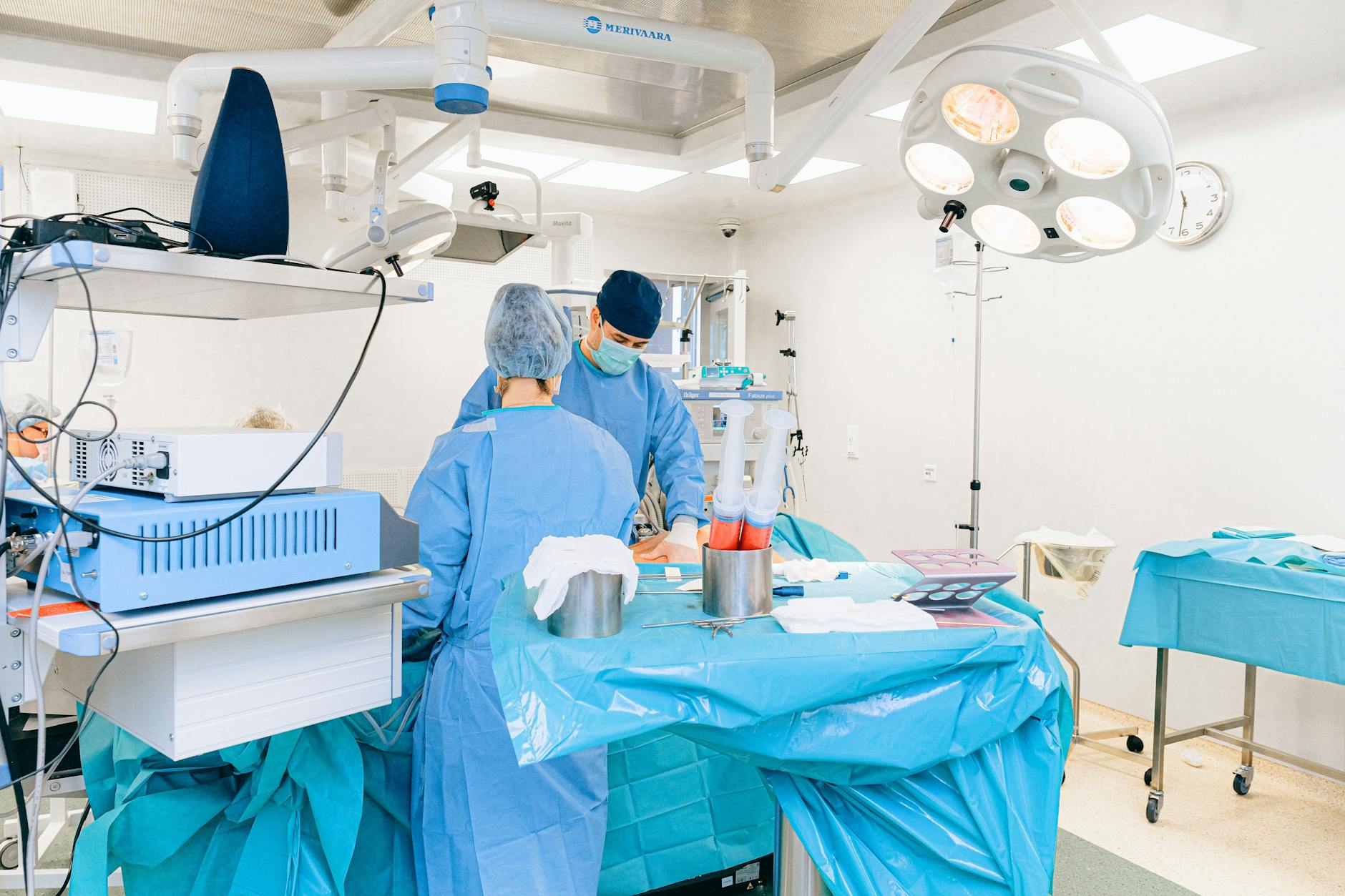
Many patients whose Advanced Bionics implants failed required invasive revision surgeries to either replace the failed device with a functioning alternative or explant the device entirely if no suitable replacement was immediately available. Revision cochlear implant surgery carries the same risks as initial implantation—infection, facial nerve injury, loss of residual hearing, cerebrospinal fluid leakage, and other complications. For patients who had already undergone the initial implantation procedure, facing a second surgery was emotionally and physically traumatic. Between revision surgeries, patients experienced periods of hearing loss or severe hearing degradation that impacted their quality of life, employment, education, and social connections.
For children with implants, device failure during critical language acquisition years represented a particular concern, as interruption of auditory input during these developmental windows could have lasting effects on speech and language development. Adults who relied on implants for professional communication or critical hearing in workplace or safety situations faced periods of significant functional disability during the gap between device failure and revision surgery. The emotional toll extended beyond the physical surgery itself. Patients who had made significant life decisions based on restored hearing—such as pursuing careers requiring audio communication, living independently, or engaging in activities relying on hearing—suddenly faced the prospect of losing that function and undergoing additional surgery. This psychological impact was not always compensated by settlements or claims, though some class actions attempt to capture emotional distress damages.
FDA Preemption Doctrine and Legal Barriers to Recovery
The FDA preemption doctrine presented a significant legal obstacle to U.S. plaintiffs. This doctrine holds that when the FDA has approved a medical device and established regulatory standards, state product liability lawsuits may be preempted—meaning they cannot proceed—because they would essentially challenge the FDA’s regulatory judgment. When the New York federal judge dismissed design defect, manufacturing defect, failure to warn, and fraud claims in April 2026, the judge applied this preemption doctrine to eliminate most of the traditional legal theories for medical device liability. The paradox of FDA preemption is that patients injured by an approved device may have limited legal recourse precisely because the device was approved by a federal agency.
Plaintiffs’ attorneys have attempted to overcome preemption by arguing that state law claims do not conflict with FDA standards, that the FDA did not actually regulate the specific aspect of the device that failed, or that fraud claims fall outside the preemption doctrine. However, the April 2026 ruling suggests that at least one federal judge interpreted preemption broadly enough to eliminate these theories. Despite FDA preemption blocking some claims, patients may still pursue breach of warranty claims, specific fraud claims not preempted by the preemption doctrine, and claims under state consumer protection statutes. However, these remaining theories are narrower and potentially less valuable than the eliminated design defect and failure to warn claims. This legal limitation means U.S. patients may recover less compensation than Canadian patients proceeding under a different legal framework without equivalent preemption doctrines.
Current Status and Future Outlook for Cochlear Implant Claimants
As of April 2026, the litigation landscape for cochlear implant device failure claims remains active but uncertain. Canadian class actions continue to move forward with scheduled certification motions and authorization orders, offering a viable path to compensation for Canadian patients. U.S. litigation faces significant obstacles due to FDA preemption but has not been entirely foreclosed. Some plaintiffs’ firms continue to investigate and file cases in jurisdictions or with legal theories not yet ruled upon by courts.
The 2026 peer-reviewed studies continue to generate clinical evidence of the device failure pattern, which may persuade courts to reconsider preemption objections or encourage settlement negotiations. Additionally, if the FDA takes additional enforcement action against Advanced Bionics or issues new warnings about the implants, this could shift the legal landscape. Future developments may include appellate decisions in U.S. cases, expanding Canadian proceedings, or negotiated global settlements that compensate patients across multiple jurisdictions. Patients who have not yet filed claims should monitor available litigation and consult with attorneys experienced in class action device litigation to understand their options.
You Might Also Like
- Straumann Dental Implant Failure Class Action
- Pinnacle Hip Implant Metal Failure Class Action
- Biomet M2a Hip Implant Failure Class Action
Open Settlements You Can Claim Now
Browse current class action settlements accepting claims — several require no proof of purchase: