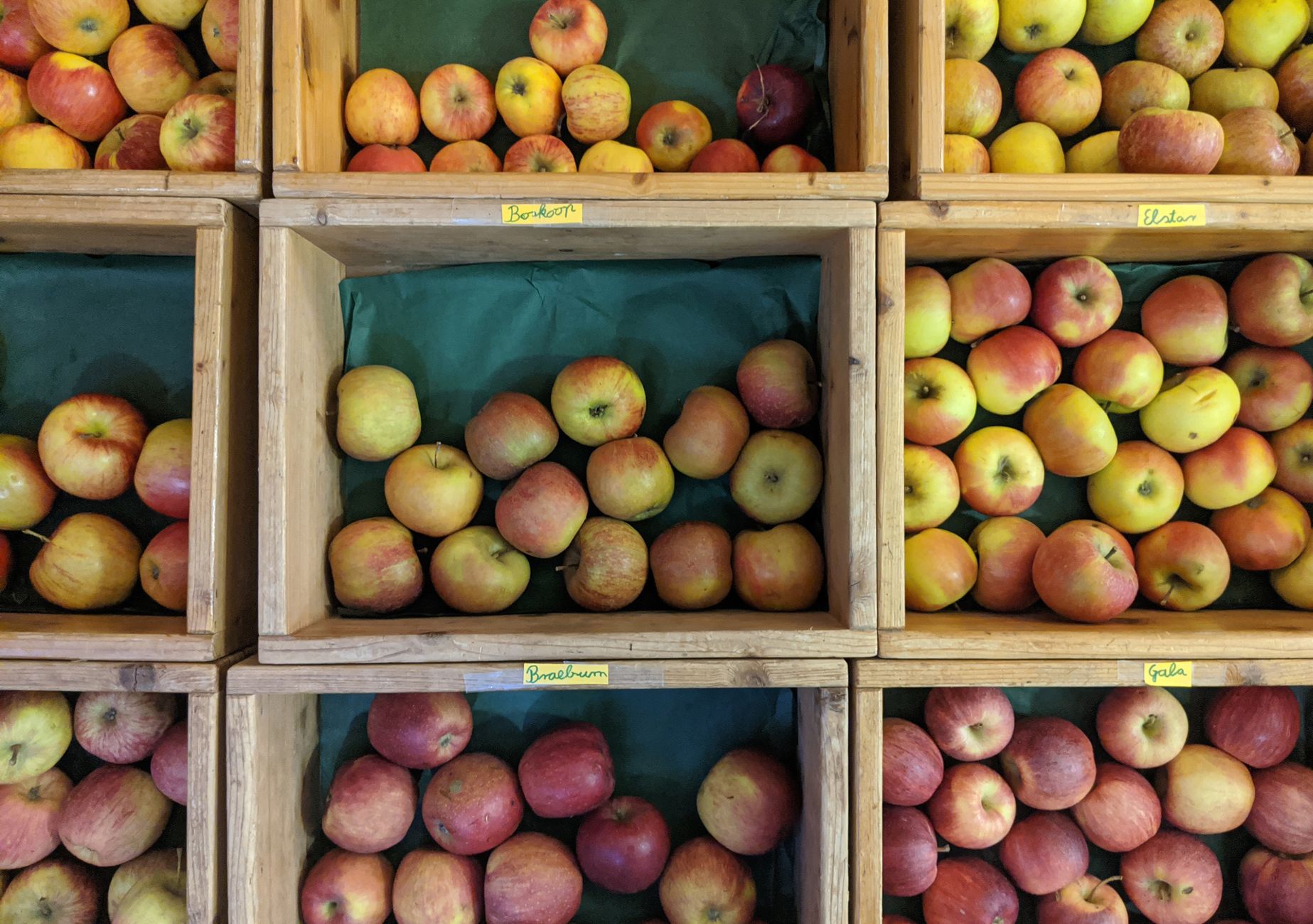
Yes, the Zirkle Fruit wage case could become a class action, but it is not one yet. Three former workers are asking a court to grant class treatment over alleged unpaid overtime and missed breaks. A class action lets a few named plaintiffs seek relief for a larger group with shared claims. Capital Press reporting listed by Muck Rack describes several former Zirkle Fruit employees pursuing that path over work at Washington production and warehouse facilities.
Official resources:
- Read the official guidance from Wa — Use this primary source to verify the official guidance.
- Read the official guidance from Wa — Use this primary source to verify the official guidance.
Table of Contents
- What the new case alleges
- Who could be covered
- What Washington law requires for pay and breaks
- Why asking is not enough
- What affected workers can do now
What the new case alleges
The core claims concern pay for extra hours and timely breaks. Workers allege denial of overtime wages and timely meal and rest breaks.
Zirkle Fruit Company is a Selah grower-packer, according to an Equitable Food Initiative certificate. It handles apples, blueberries, cherries and wine grapes and operates the Zirkle Packhouse at 352 Harrison Road in Selah.
Who could be covered
The potential group centers on production and warehouse workers, not shoppers or consumers. The request so far names three former employees as proposed representatives.
Coverage will depend on job site, job duties and time period. A court will define those limits only if it certifies a class.
What Washington law requires for pay and breaks
The Washington State Legislature sets overtime at 1.5 times regular pay for hours over 40, under the state overtime statute. Agricultural employees became fully covered on Jan.
1, 2024 after a multi-year phase-in. The Washington State Legislature also requires a 30-minute meal period starting two to five hours into the shift, under the state meal-and-rest rule. Workers must not go more than five hours without a meal period and must receive a paid 10-minute rest for each four hours worked.
- Over 40 hours in a week: 1.5 times regular pay
- Shift start plus 2-5 hours: 30-minute meal period
- Each four hours worked: paid 10-minute rest
Why asking is not enough
Seeking class treatment does not create a class. According to LexBlog's April 2026 guide to practice in the state, a Washington court must find numerosity, commonality, typicality and adequacy under Civil Rule 23 in how Washington courts handle class actions. The court must also find predominance and superiority.
That means shared issues outweigh individual ones and a class case is the better way to resolve them. If certified, the court oversees notice, opt-out rights and any settlement. Workers would then get instructions on staying in, leaving or claiming money.
What affected workers can do now
There is no claim form or payout to file for at this stage. Affected workers can preserve pay stubs, time records, schedules and job titles.
They can also save names of supervisors and facility locations. An earlier Mendoza suit against Zirkle-related parties, described by UC Davis Rural Migration News and Hagens Berman, won class status in 2004 and settled in December 2005 for $1.3 million paid by three executives before a scheduled January 2006 trial. That history does not decide the new overtime and break claims.