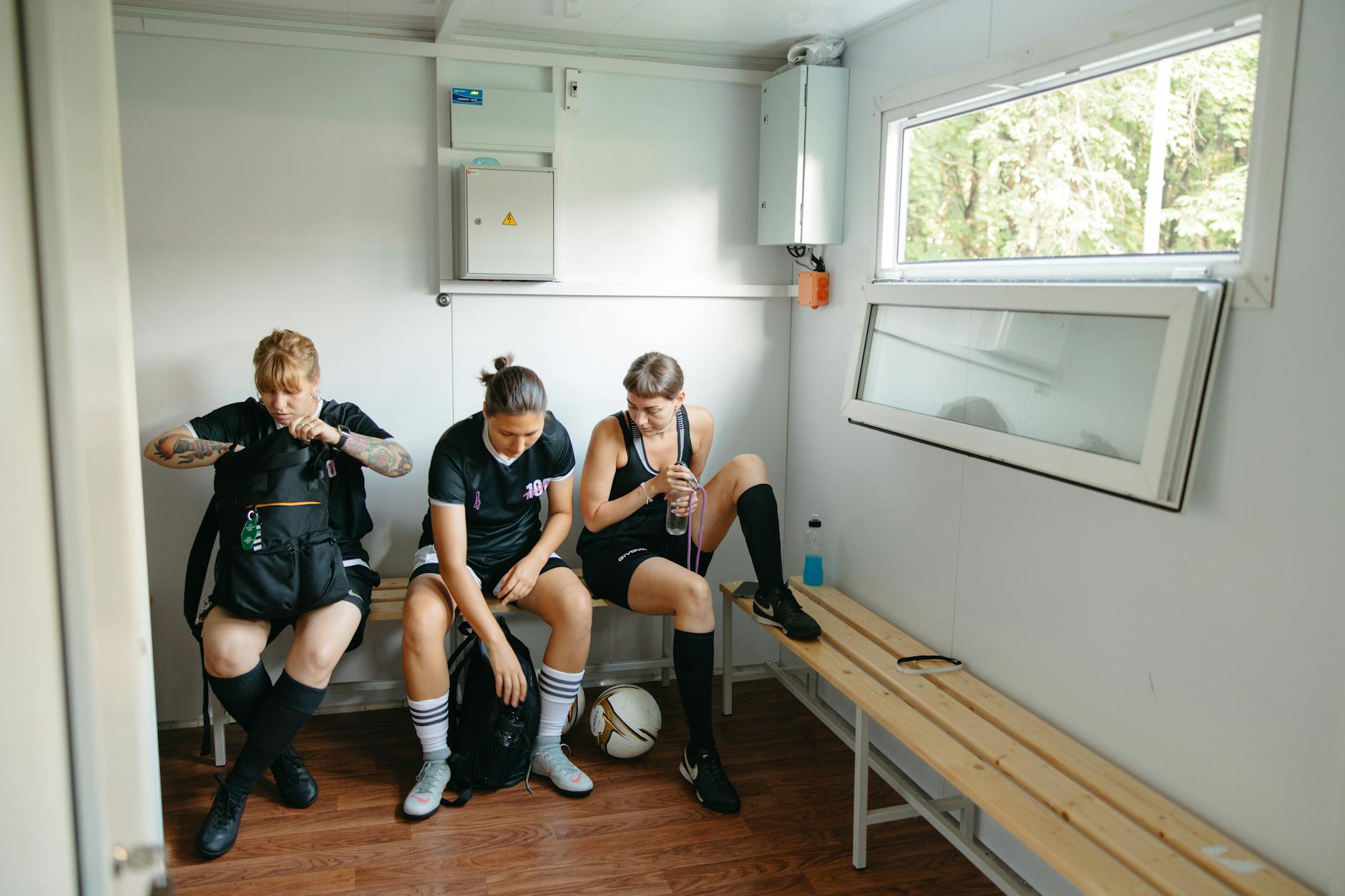
The US Women’s National Soccer Team (USWNT) reached a historic $24 million settlement in February 2022 to resolve a gender pay discrimination lawsuit filed against US Soccer in March 2019. The settlement included $22 million in back pay compensation to players and $2 million designated for a post-career fund to support USWNT players’ future goals and women’s soccer charitable efforts. This agreement marked a major victory for the team, though it represented approximately 36 percent of the $66.7 million in back pay the players originally sought. The lawsuit alleged institutionalized gender discrimination under the Equal Pay Act and Title VII of the Civil Rights Act.
The case became a watershed moment in American sports, drawing international attention to the gap between how the men’s and women’s national soccer programs were funded and compensated. Beyond the settlement payout, the agreement secured equal pay for both the US Men’s National Team (USMNT) and USWNT across all competitions, including friendlies, tournaments, and World Cup play. Following the settlement, new collective bargaining agreements were signed in September 2022 and run through 2028, establishing identical pay structures for both teams. This shift represents one of the most comprehensive equal pay victories in professional sports history, addressing not just historical compensation gaps but reshaping how soccer’s national programs allocate resources going forward.
Table of Contents
- What Was the US Soccer Gender Pay Discrimination Case About?
- How Was the $24 Million Structured and Who Qualified for Payments?
- What Were the Key Milestones in This Settlement Timeline?
- How Does Equal Pay Work Under the New Agreements?
- What Happens With Sponsorship Revenue and Broadcasting Rights?
- Who Qualifies as a Claimant in This Settlement?
- What Changed for Women’s Sports and Future Gender Equality Cases?
- Conclusion
What Was the US Soccer Gender Pay Discrimination Case About?
The lawsuit centered on systematic underpayment of the USWNT compared to the USMNT, despite the women‘s team generating comparable or greater revenues and achieving significantly better competitive results. The women’s team won four World Cups and two Olympic gold medals, while the men’s team had never won a World Cup. Yet the women players received substantially lower salaries, appearance fees, and tournament bonuses. The disparity extended beyond just game pay—it included differences in coaching staff budgets, travel accommodations, and medical support. The Equal Pay Act claim required showing that women and men performed substantially equal work but received different compensation.
The Title VII claim alleged broader patterns of sex-based discrimination. Players documented years of examples: appearing in more matches but earning less per game, receiving smaller World Cup bonuses despite greater tournament success, and being housed in substandard facilities compared to the men’s team. For instance, during one period the women’s team stayed in dormitory-style accommodations while the men’s team had hotel rooms, yet the women were expected to perform at the same competitive level. The legal team argued that US Soccer had no legitimate business reason for the pay gaps. The federation could not claim the men’s team generated more revenue when the evidence showed the women’s team often drew larger audiences and media interest, particularly around World Cup tournaments. This straightforward comparison—equal work, unequal pay, with no valid justification—formed the core of the discrimination claim.

How Was the $24 Million Structured and Who Qualified for Payments?
The settlement was divided into two distinct components: $22 million in back pay and $2 million for a post-career fund. The back pay portion compensated players for historical wage discrimination from the time the lawsuit was filed in March 2019 and earlier periods covered by the statute of limitations. This money went to roughly 20 players on the USWNT roster and additional players who had competed for the team during the relevant time period. The $2 million post-career fund operates differently from the back pay. Rather than automatic distribution, the fund was established to support USWNT players’ post-career goals, including education, business development, and charitable work that benefits women’s and girls’ soccer.
Players could apply for individual grants of up to $50,000 from this fund. This structure acknowledges that many athletes face significant financial challenges after their playing careers end, particularly women in sports where endorsement opportunities and media exposure have historically lagged behind men’s sports. One important limitation is that the settlement amount, while substantial, fell short of what the players’ legal team originally sought. The $24 million represented about 36 percent of the $66.7 million in back pay damages the players claimed. The gap between the claimed amount and settled amount reflects the inherent risks of litigation, where even strong cases face uncertainty. Had the case proceeded to trial, the outcome could have been larger or smaller, and the years of continued litigation would have delayed payment further.
What Were the Key Milestones in This Settlement Timeline?
The timeline of this case spans nearly a decade of activism, legal strategy, and negotiation. The lawsuit was filed in March 2019, at a moment when the USWNT had recently won the 2019 world Cup on home soil. Rather than celebrating their championship, the team’s players immediately brought legal action against their own federation, signaling their commitment to systemic change despite the potential reputational risks. This timing proved powerful—the visibility of a World Cup-winning team fighting for equal treatment captured media and public attention. For over three years, the case proceeded through the courts with various motions, discovery disputes, and settlement negotiations.
Then on February 22, 2022, US Soccer announced the settlement agreement. The announcement emphasized that both sides had committed to equal pay moving forward, not just compensation for past discrimination. This forward-looking component proved crucial to the players’ long-term interests. The actual implementation came later that year when, in September 2022, the USMNT and USWNT formally signed new collective bargaining agreements with identical pay structures. These agreements run through 2028 and guarantee equal payment for appearances and tournament victories across all competitions. The multi-year span between the settlement announcement and the finalized CBAs reflects the complexity of restructuring an entire federation’s compensation system while maintaining compliance with various sporting organizations’ regulations.

How Does Equal Pay Work Under the New Agreements?
The new collective bargaining agreements established the principle that players on both the USMNT and USWNT receive the same compensation for the same work. For match appearances—whether friendlies or official competitions—both teams receive identical appearance fees. For tournament bonuses, such as payments for winning World Cup or Olympic medals, the structures are now equal. This represents a fundamental shift from the previous system where the men’s team received substantially larger tournament bonuses. The equal pay framework also addresses revenue sharing and World Cup prize money distribution. Previously, when the men’s team or women’s team earned money through their competitions, the allocation to players was unequal.
Now, with revenue sharing provisions in place, both teams participate more directly in the financial success their competitions generate. This is particularly significant for World Cup payments, where the International Federation of Association Football (FIFA) also increased prize money for the women’s tournament, further benefiting players. One limitation of even this historic agreement is that it extends only through 2028. While this provides eight years of pay equity, the agreement will require renegotiation. Players and their union cannot assume that future administrations at US Soccer will maintain the same commitment to equal pay without continued vigilance. Additionally, the equal pay structure applies to compensation from US Soccer specifically—it does not directly address differences in endorsement opportunities or media coverage, which remain significant financial disparities between the men’s and women’s sports.
What Happens With Sponsorship Revenue and Broadcasting Rights?
Beyond direct compensation from US Soccer, the settlement and new agreements begin to address how sponsorship and broadcasting revenue flows affect the teams. Historically, sponsorship deals signed with US Soccer disproportionately benefited the men’s team, with larger portions of sponsorship fees allocated to USMNT programs. The new structure includes provisions for more equitable revenue sharing when sponsors pay US Soccer for both teams’ participation and exposure. Broadcasting rights represent another area where the new agreements attempt to establish fairer treatment. The USWNT had long generated significant viewership and media interest, yet the federation had negotiated broadcasting contracts that paid women’s matches less than men’s matches.
While the settlement doesn’t directly dictate broadcasting contracts (those are negotiated between networks and US Soccer), the equal pay principle has encouraged broadcasters and the federation to allocate resources more fairly. Games are now often broadcast or streamed simultaneously, and networks have increased coverage of women’s matches. A practical limitation remains: equal pay from US Soccer does not guarantee equal treatment from the media or equal commercial opportunities. Players on both teams receive equal payment from the federation, but sponsorship deals, endorsement opportunities, and media appearances still depend on market dynamics, athlete visibility, and media interest—areas where historical inequities persist. Female athletes may still find fewer endorsement deals available despite performing the same work for their national team.

Who Qualifies as a Claimant in This Settlement?
Roughly 20 current USWNT players at the time of the settlement plus additional former players who competed during the time period covered by the statute of limitations qualified for back pay. The settlement had to define precisely which players and which years would be covered to calculate individual payments. This involved reconstructing historical compensation records—what each player earned, what they should have earned under equal pay principles, and the difference between those amounts.
Former players who had left the team before the settlement but competed during the relevant period could potentially receive payments as well. The settlement agreement included processes for former players to submit claims and documentation verifying their service. Some players may have already passed away, and the settlement addressed how their estates or designated beneficiaries would receive their portion of the compensation. These administrative details, while less visible than the headline settlement figure, proved important to ensuring all eligible players received their due compensation.
What Changed for Women’s Sports and Future Gender Equality Cases?
The US Soccer settlement created a template that other sports leagues, governing bodies, and athletes could point to when arguing for equal pay. The case demonstrated that legal action, combined with media attention and public support, could force substantial change in professional sports. Other women’s sports teams and individual athletes have since cited the USWNT settlement as precedent, arguing that if soccer’s national federation could implement equal pay, so could other organizations.
Looking ahead, the 2028 CBA renegotiation will test whether US Soccer’s commitment to equal pay survives leadership changes and shifting market conditions. The case also highlighted that even landmark settlements are not permanent victories—they require ongoing enforcement and commitment from management. Future players will benefit from the precedent this case set, but continued advocacy will remain necessary to ensure equal pay principles extend throughout women’s sports.
Conclusion
The US Soccer gender pay discrimination settlement represents a significant milestone in the fight for pay equity in professional sports. The $24 million agreement, combined with the equal pay structure in the new collective bargaining agreements, addressed years of systematic underpayment and cleared the path for more equitable treatment going forward. While the settlement amount fell short of what players originally sought, it still provided substantial back pay compensation and established the principle that both the men’s and women’s national teams deserve equal compensation for equal work.
For current and future USWNT players, the practical impact is clear: identical appearance fees, equal tournament bonuses, and revenue sharing structures that treat both teams fairly. For the broader women’s sports movement, the settlement provided a successful legal and negotiating model that other athletes and sports organizations continue to reference. As the CBAs approach their 2028 expiration, maintaining this hard-won equality will require continued attention to ensure that subsequent negotiations protect the gains already achieved.
You Might Also Like
- UFC Fighter Pay Antitrust Class Action Settlement
- National Women’s Soccer League Equal Pay Class Action
- Publishers Clearing House Deceptive Sweepstakes Class Action Settlement
Open Settlements You Can Claim Now
Browse current class action settlements accepting claims — several require no proof of purchase: