

The Suboxone tooth decay litigation, consolidated as MDL No. 3092 in the U.S. District Court for the Northern District of Ohio, represents one of the largest pharmaceutical injury cases currently working its way through the federal court system. As of March 2026, roughly 1,849 lawsuits are pending before Judge J. Philip Calabrese, with plaintiffs alleging that Indivior Inc. failed to warn patients that its sublingual film could cause severe dental damage — including tooth decay, enamel erosion, cavities, tooth loss, and gum disease.
No global settlement has been reached, but bellwether trials are expected to begin sometime in 2026. The case count has grown rapidly. In February 2025, there were 896 cases in the MDL. By February 2026, that number had more than doubled to 1,853. For anyone who used Suboxone sublingual film and later experienced serious dental problems, the litigation is entering a critical phase.
Table of Contents
- What Is the Suboxone Tooth Decay MDL and Why Are Dental Damage Claims Centralized in Ohio Federal Court?
- What Are the Specific Allegations Against Indivior in the Suboxone Litigation?
- How Does the Bellwether Trial Process Work in MDL 3092?
- What Are Estimated Suboxone Settlement Amounts and How Are They Calculated?
- Are Statutes of Limitations Closing for Suboxone Dental Injury Claims?
- What Dental Injuries Qualify for a Suboxone Lawsuit?
- What Comes Next in the Suboxone Tooth Decay MDL?
- Frequently Asked Questions
What Is the Suboxone Tooth Decay MDL and Why Are Dental Damage Claims Centralized in Ohio Federal Court?
Multidistrict litigation, or MDL, is a procedural mechanism that consolidates similar federal lawsuits before a single judge for pretrial proceedings. MDL No. 3092 was established to handle the growing number of Suboxone dental injury claims efficiently, rather than having hundreds of individual cases proceed in courts scattered across the country. The Northern District of Ohio was selected as the venue, and Judge J. Philip Calabrese was assigned to oversee the consolidated proceedings. The defendant, Indivior Inc., is the pharmaceutical company that manufactures and markets Suboxone sublingual film — a medication prescribed to treat opioid use disorder.
The central allegation is straightforward: Indivior knew or should have known that dissolving Suboxone film under the tongue exposed teeth and gums to acidic compounds that could cause serious dental harm, yet the company did not include adequate warnings on the product label. The FDA approved the sublingual film formulation over a decade before dental risks were formally acknowledged. It was not until January 2022 that the FDA issued a public safety warning about dental problems linked to buprenorphine-containing sublingual medications, and Indivior did not update the Suboxone label to reflect dental injury risks until June 2022. For many patients, the damage was already done. To put this in perspective, consider someone who was prescribed Suboxone in 2013 to manage opioid dependence. They used the sublingual film daily for years, noticing worsening tooth sensitivity and cavities but never connecting it to their medication because nothing on the label suggested such a risk. By the time the FDA warning came out in 2022, they may have already lost multiple teeth or undergone extensive dental surgery — injuries they believe could have been prevented or mitigated with proper disclosure.
What Are the Specific Allegations Against Indivior in the Suboxone Litigation?
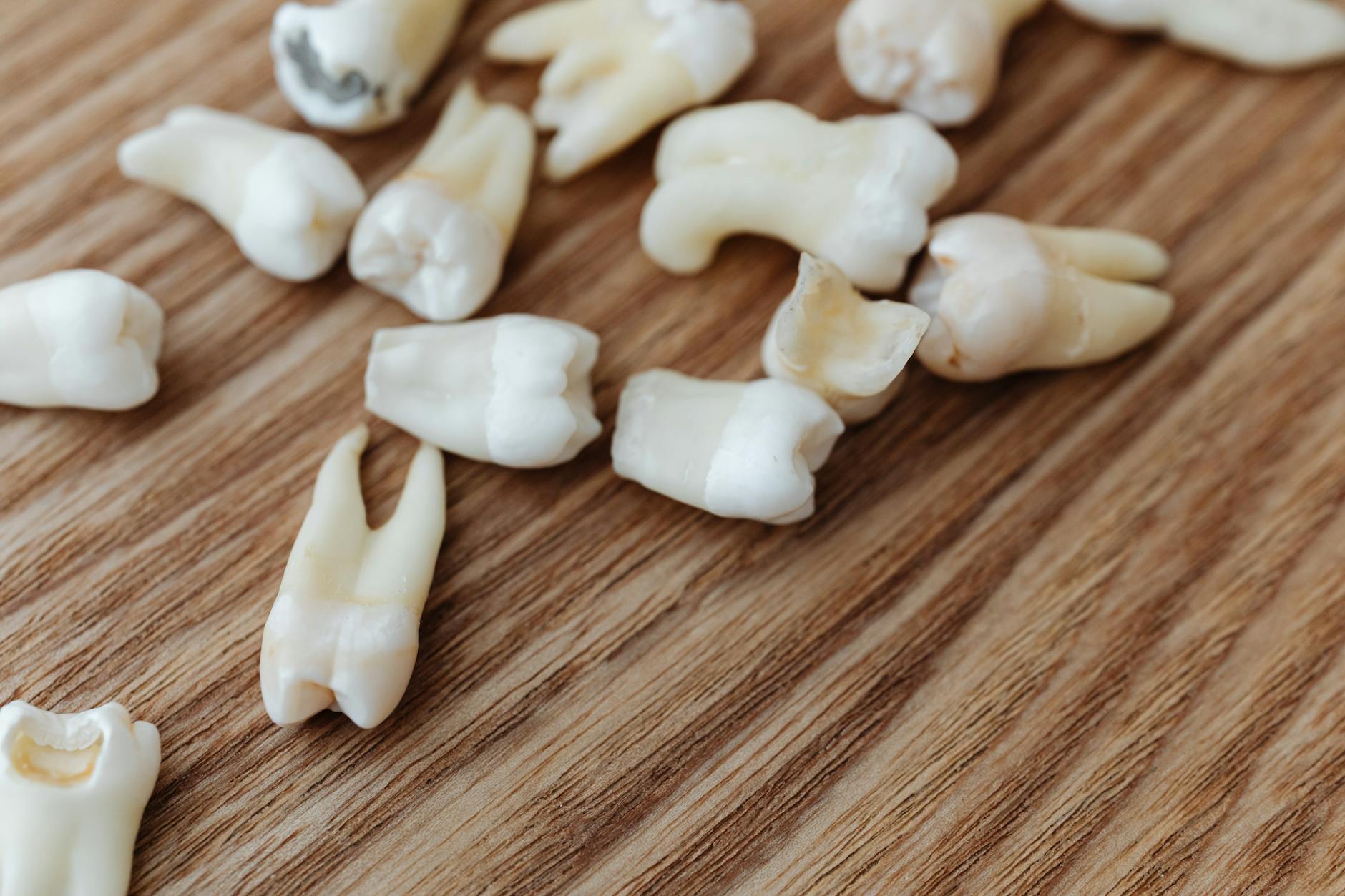
Plaintiffs in the MDL allege that Indivior failed to warn doctors and patients about the risk of severe dental problems caused by Suboxone sublingual film. The injuries cited across lawsuits include tooth decay, enamel erosion, cavities, tooth fractures, complete tooth loss, gum disease, and oral infections. These are not minor complaints. Many plaintiffs describe needing root canals, dental implants, full extractions, or dentures — procedures that are painful, expensive, and in some cases disfiguring. The legal theory rests primarily on failure to warn: that Indivior had a duty to disclose known or knowable risks and did not meet that obligation. The timeline is damaging for the defense. The FDA approved Suboxone sublingual film years before any dental warnings appeared on the label.
Adverse event reports and clinical observations about dental problems linked to buprenorphine had been accumulating for years before the FDA finally acted with its January 2022 safety communication. Indivior then took an additional five months to update its label, not adding dental injury language until June 2022. Plaintiffs argue this delay was unreasonable and that Indivior prioritized sales over patient safety. However, it is worth noting that not every Suboxone user who experiences dental problems will have a viable claim. Defendants in pharmaceutical litigation typically argue that other factors — pre-existing dental conditions, poor oral hygiene, methamphetamine or other drug use, dry mouth from other medications — contributed to or caused the dental injuries. If a plaintiff had significant dental problems before starting Suboxone, proving that the medication was the primary cause becomes more difficult. This is why the bellwether discovery process places such emphasis on gathering detailed medical and dental records.
How Does the Bellwether Trial Process Work in MDL 3092?
The bellwether process in the Suboxone MDL follows a structured narrowing approach designed to test representative cases before a jury. First, a pool of 500 plaintiffs was identified for focused discovery. From that group, 100 cases will be randomly selected for more detailed investigation. The pool will then be narrowed further to 50 cases through a combination of random selection and strategic picks made by both the plaintiffs’ attorneys and Indivior’s defense team. four cases will be chosen to proceed as bellwether trials. In December 2025, 400 Suboxone plaintiffs were selected for a records collection pool. This step involves gathering extensive medical and dental evidence — treatment histories, dental imaging, prescription records, and documentation of the injuries alleged.
The goal is to build a factual foundation that allows both sides to evaluate the strength of claims and, critically, gives the court a basis for managing the broader litigation. Bellwether trials are expected to begin in 2026, though as of March 2026, no specific trial date has been publicly scheduled. Bellwether outcomes matter enormously even for plaintiffs whose cases are not selected. If juries return substantial verdicts for the plaintiffs in early trials, Indivior faces significant pressure to negotiate a global settlement rather than risk repeated losses. Conversely, if the defense prevails in bellwether trials, it strengthens Indivior’s bargaining position and could reduce settlement values across the board. For example, in the Zantac MDL, defense wins at the bellwether stage contributed to the eventual dismissal of many claims. The Suboxone MDL could go either way, which is why legal observers are watching the trial selections closely.

What Are Estimated Suboxone Settlement Amounts and How Are They Calculated?
No global settlement or court-approved individual settlements have been announced in the Suboxone tooth decay MDL as of March 2026. That said, legal analysts have offered estimates based on the nature of the injuries, the strength of the failure-to-warn theory, and comparisons to similar pharmaceutical litigation. Current projections suggest individual settlement amounts could range from $25,000 to over $150,000 per plaintiff, with the wide range reflecting differences in injury severity. A plaintiff who experienced moderate enamel erosion and several cavities requiring fillings would likely fall toward the lower end of that range. Someone who lost multiple teeth, required dental implants or dentures, and can document significant out-of-pocket costs and quality-of-life impacts would be positioned for a higher payout.
The tradeoff for plaintiffs considering settlement versus trial is familiar in mass tort cases: a settlement offers certainty and faster resolution, while going to trial carries the possibility of a larger award but also the risk of receiving nothing if the jury sides with Indivior. Most experts believe meaningful settlement pressure will not materialize until bellwether trials begin producing verdicts. Until that happens, Indivior has limited incentive to offer substantial settlement terms. Plaintiffs who are anxious for resolution should understand that MDL timelines are long — it is common for these cases to take several years from consolidation to resolution. Patience, while difficult, is often necessary.
Are Statutes of Limitations Closing for Suboxone Dental Injury Claims?
Filing deadlines are a real and urgent concern for potential plaintiffs. Statutes of limitations vary by state, but many jurisdictions impose a two- or three-year deadline for personal injury claims. The critical question is when the clock starts running. In pharmaceutical failure-to-warn cases, the statute often begins when the plaintiff knew or reasonably should have known that their injury was connected to the medication. The June 2022 label change — when Indivior first acknowledged dental risks on the Suboxone packaging — is a key date in this analysis. For plaintiffs in states with three-year statutes of limitations measured from the June 2022 label update, filing deadlines may have arrived around mid-2025 or could be approaching soon.
If you used Suboxone and experienced dental problems but have not yet consulted an attorney, the window to file may be narrowing. Missing the statute of limitations is an absolute bar to recovery — no matter how strong your case, a court will dismiss it if you file too late. There is a complication worth noting: the discovery rule. Some states toll the statute of limitations until the plaintiff actually discovers (or should have discovered) the connection between their injury and the product. If you only recently learned about the link between Suboxone and dental damage, you may still have time even if the label changed years ago. But this is a fact-specific legal question, and relying on the discovery rule without consulting an attorney is risky. If you suspect you have a claim, acting sooner rather than later eliminates the limitations issue entirely.

What Dental Injuries Qualify for a Suboxone Lawsuit?
The types of dental injuries cited in the MDL are wide-ranging but share a common thread: they involve damage to teeth, gums, or oral tissue that developed or worsened after the plaintiff began using Suboxone sublingual film. Specific injuries include tooth decay, cavities, cracked or broken teeth, enamel erosion, tooth loss requiring extraction, gum disease, and oral infections.
Plaintiffs who can show they had healthy teeth or a stable dental history before starting Suboxone, and who then experienced a rapid or unexplained deterioration, tend to have the strongest cases. For example, a plaintiff who had routine dental checkups showing no significant problems in the years before starting Suboxone, followed by documentation of multiple extractions and implant surgery within a few years of beginning the medication, presents a compelling before-and-after narrative. Dental records are the backbone of these claims — without them, proving causation becomes substantially harder.
What Comes Next in the Suboxone Tooth Decay MDL?
The litigation is at a pivotal stage. With bellwether trials expected to begin in 2026 and the records collection process already underway for 400 plaintiffs, the next twelve to eighteen months should bring significant developments. Once bellwether verdicts come in, both sides will have real data to inform settlement negotiations.
If the results favor plaintiffs, a global settlement framework could follow — similar to what occurred in litigation over transvaginal mesh, talcum powder, and other mass tort cases that eventually resolved through negotiated agreements. The continued growth in case filings — from 896 to over 1,800 in a single year — signals that awareness of the litigation is spreading and that many Suboxone users are coming forward with dental injury claims. Whether this momentum translates into favorable outcomes for plaintiffs depends largely on what happens in the courtroom. For now, affected individuals should focus on preserving their dental records, consulting with an attorney experienced in pharmaceutical litigation, and understanding the filing deadlines that apply in their state.
Frequently Asked Questions
Has Indivior settled any Suboxone tooth decay lawsuits?
No. As of March 2026, no global settlement or court-approved individual settlements have been announced in the Suboxone tooth decay MDL.
How much could a Suboxone dental injury settlement be worth?
Legal analysts estimate individual settlements could range from $25,000 to over $150,000 depending on the severity of dental injuries, though these figures are projections and not guaranteed outcomes.
When will the Suboxone bellwether trials begin?
Bellwether trials are expected to begin in 2026, but no specific trial date has been set as of March 2026. The records collection and case selection process is currently underway.
Is it too late to file a Suboxone tooth decay lawsuit?
It depends on your state’s statute of limitations and when you became aware of the connection between Suboxone and dental damage. Some deadlines in states with three-year statutes may have already passed or are approaching. Consult an attorney promptly to assess your situation.
What dental problems are linked to Suboxone?
The lawsuits allege tooth decay, enamel erosion, cavities, tooth fractures, tooth loss, gum disease, and oral infections, all connected to the use of Suboxone sublingual film.
Do I need dental records to file a Suboxone lawsuit?
Dental records are critical for establishing the timeline and severity of your injuries. Records from before and after you began using Suboxone are particularly valuable for proving causation.