
Despite its title, the so-called “PGA Tour LIV Golf Antitrust Class Action” was not actually a class action lawsuit. Instead, it was an antitrust case filed by eleven individual professional golfers—including Phil Mickelson and Bryson DeChambeau—against the PGA Tour in August 2022, alleging unlawful monopoly and restraint of trade. The golfers claimed the PGA Tour was using anticompetitive practices to prevent them from competing in the Saudi-backed LIV Golf circuit. This distinction matters because only individual players were plaintiffs, not a group of consumers seeking collective compensation.
The case was resolved unexpectedly quickly. In June 2023, just months after the lawsuit was filed, the PGA Tour announced a landmark merger with the DP World Tour and Saudi Arabia’s Public Investment Fund (PIF), which funded LIV Golf. The parties then filed a joint motion to dismiss all claims “with prejudice” that same month, meaning the antitrust case could never be refiled. Today, in 2026, the litigation is closed, but regulatory questions about the merger remain unresolved, and financial uncertainty continues to cloud the future of professional golf.
Table of Contents
- What Was the Original Antitrust Lawsuit Against the PGA Tour?
- How Was the Merger Announced and the Case Dismissed?
- Why Did This Matter to Professional Golf and Fans?
- Are Individual Golf Players Eligible for Compensation?
- How Is the U.S. Government Involved in Monitoring This Deal?
- What Is the Current Status of LIV Golf and Professional Golf in 2026?
- What Does the Future Hold for Professional Golf?
- Conclusion
What Was the Original Antitrust Lawsuit Against the PGA Tour?
In August 2022, eleven LIV Golf players filed suit in U.S. District Court for the Northern District of California. The lawsuit claimed that the PGA Tour operated as an unlawful monopoly and engaged in restraint of trade by suspending players who competed in LIV events without permission. The golfers argued they should have the right to play in both tours simultaneously, similar to how tennis players can compete on multiple circuits.
The suit challenged the PGA Tour’s decades-old business model, which had historically given the organization control over which events players could enter. The case alleged specific anticompetitive conduct: the PGA Tour had blacklisted LIV Golf competitors, denied them access to PGA-sanctioned tournaments, and used its dominant market position to crush competition from the Saudi-backed rival league. For example, players like Phil Mickelson faced suspension indefinitely after joining LIV, cutting them off from earnings and prestige associated with PGA events like the Masters and the U.S. Open. This was not a consumer class action seeking damages for individual customers, but rather a direct business dispute between professional athletes and the sports organization that controlled access to major tournaments.

How Was the Merger Announced and the Case Dismissed?
On June 6, 2023—less than a year after the antitrust lawsuit was filed—the PGA Tour announced a groundbreaking agreement to unify with both the DP world Tour (the European professional golf organization) and Saudi Arabia’s Public Investment Fund. Remarkably, the PIF was the same entity backing LIV Golf. This merger effectively consolidated three major golf organizations under one structure, creating what proponents described as a unified professional golf ecosystem and what critics saw as a stunning reversal of the tour’s prior opposition to Saudi involvement. Ten days later, on June 16, 2023, attorneys filed a motion to dismiss all claims in the antitrust case.
Crucially, the dismissal was filed “with prejudice,” a legal term meaning the claims cannot be refiled in the future. This was not a settlement in the traditional sense—the golfers did not receive a cash payout or explicit compensation as part of a settlement agreement. Instead, the case simply ended, and the players lost their right to pursue the antitrust claims further. The dismissal left many questions unanswered about whether the merger itself constituted anticompetitive conduct or a remedy to it. One important limitation: players who were hoping for financial damages from the PGA Tour received nothing through this litigation.
Why Did This Matter to Professional Golf and Fans?
The PGA Tour-LIV Golf antitrust case represented a fundamental challenge to one of sports’ oldest business models. For decades, the PGA Tour maintained near-total control over professional golf in the United States, deciding which tournaments counted toward rankings, which players could compete, and effectively determining a golfer’s earning potential. The emergence of LIV Golf, with its massive Saudi backing and guaranteed prize purses, threatened that control for the first time. The antitrust lawsuit was an attempt to shatter that monopoly and force the tours to coexist.
The case mattered to fans because it involved questions about player freedom, competition, and the future structure of professional golf. If the golfers had won, it could have meant more tournaments, more player choice, and potentially different tour structures. The merger that ended the case essentially consolidated power in a new way—by bringing the rival organizations under unified ownership rather than forcing them to compete independently. For professional golf globally, the case and its resolution signaled that the era of exclusive tour allegiance might be ending, but the specifics of how that transition would occur remained murky and controversial.

Are Individual Golf Players Eligible for Compensation?
Unlike a traditional class action lawsuit, where consumers who purchased a product or suffered harm can claim compensation, the LIV Golf antitrust case did not result in any settlement fund for eligible participants. The case was dismissed without any monetary award to the golfers who filed suit. This is a critical distinction: the eleven golfers who filed the lawsuit have no legal path to recover damages through this dismissed litigation.
However, individual golfers may have received indirect benefits through the merger itself. Some LIV players were later incorporated into the unified tour structure, and the merger potentially resolved the competitive landscape that prompted the original lawsuit. But this is fundamentally different from a class action, where a defined group of affected consumers can submit claims and receive compensation. If you are a golf fan, a PGA Tour member, or a casual golfer, you have no eligibility to claim anything from this case because you were never a party to the dispute or part of the class of potential plaintiffs.
How Is the U.S. Government Involved in Monitoring This Deal?
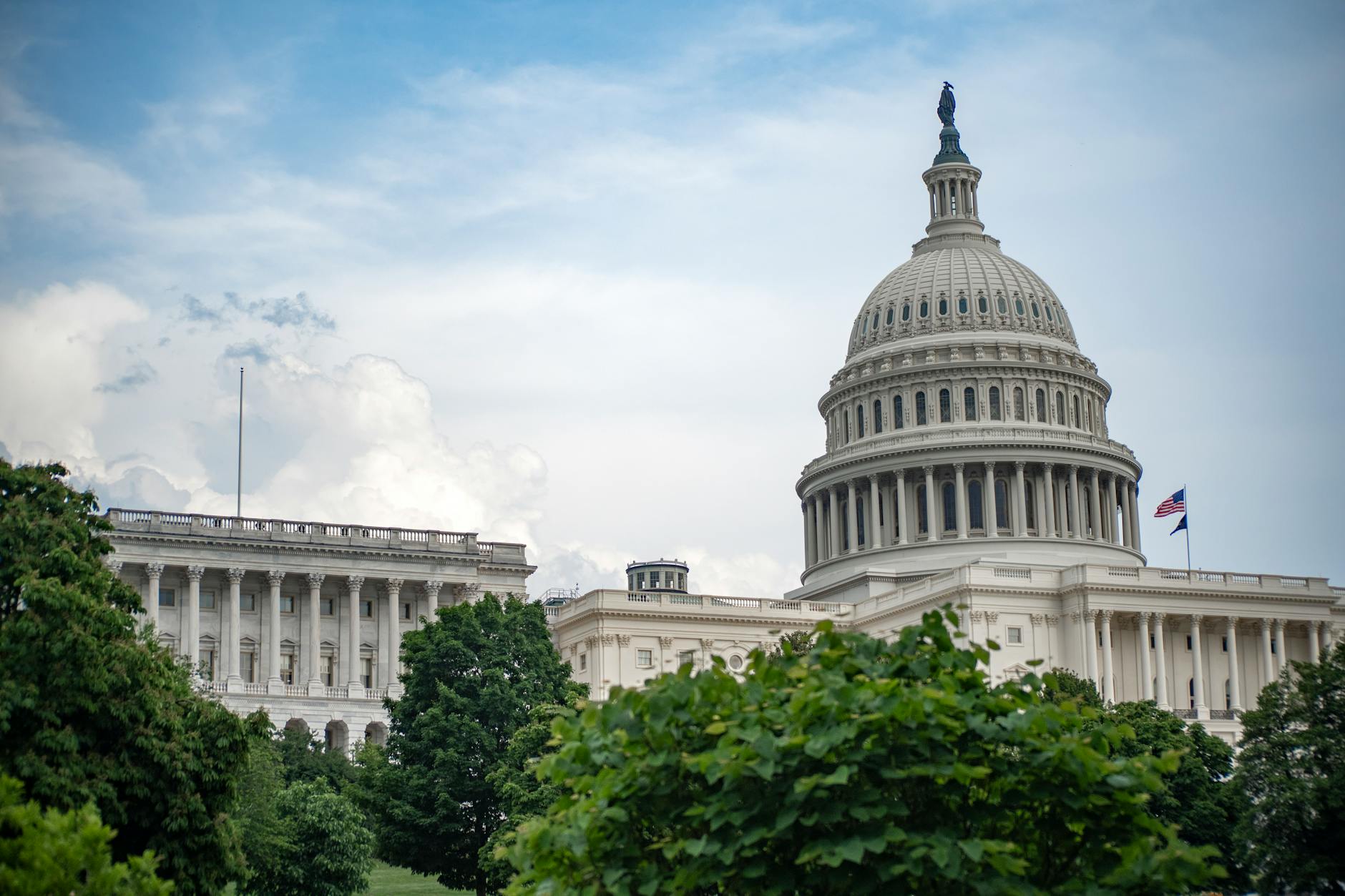
While the antitrust case between the players and the PGA Tour was dismissed, the underlying antitrust concerns did not disappear. The U.S. Department of Justice opened an investigation into the merger itself, examining whether the consolidation of the PGA Tour, DP World Tour, and Saudi Arabia’s Public Investment Fund created new antitrust violations. The concern was straightforward: by merging previously competing entities, the deal might reduce competition in professional golf rather than enhance it. The PIF’s investment in the unified structure was expected to draw particular scrutiny from federal regulators.
Additionally, the U.S. Senate launched its own investigation into the merger deal. Congress and regulatory bodies were concerned about several issues, including foreign investment in American sports, the concentration of power in the hands of the merged entity, and whether the deal actually served the interests of professional golfers or merely consolidated control. This ongoing regulatory scrutiny means that even though the private litigation was dismissed, government agencies continue to examine the deal’s competitive implications. The limitation here is important: regulatory investigations can take years and may never result in the deal being blocked or unwound, leaving uncertainty in place for an extended period.
What Is the Current Status of LIV Golf and Professional Golf in 2026?
As of 2026, the professional golf landscape remains in flux. Saudi Arabia’s Public Investment Fund is reportedly ending its direct funding of LIV Golf after the 2026 season, a stunning development given that the PIF’s backing was the entire basis for LIV Golf’s existence. LIV Golf has reportedly been laying groundwork for potential bankruptcy, raising serious questions about the financial viability of the tour that sparked the original antitrust dispute. This financial uncertainty has transformed the entire conversation about professional golf consolidation.
The merger that resolved the antitrust case was supposed to create a unified, sustainable professional golf structure. Instead, the lead investor in that merger is withdrawing, and one of the three merged entities faces potential insolvency. For players who sided with LIV Golf, this represents a dramatic reversal of fortune. The antitrust case these golfers filed in 2022 was meant to secure their right to compete and earn money across multiple circuits; instead, one of those circuits may cease to exist, rendering the original dispute moot in some respects.
What Does the Future Hold for Professional Golf?
The resolution of the PGA Tour-LIV Golf antitrust case through merger rather than through a courtroom judgment leaves many structural questions unanswered. Did the merger prevent monopolistic harm, or did it enable a different form of market consolidation? Without a court ruling, golf fans, players, and regulators do not have a clear legal precedent establishing what competitive conduct is permissible in professional golf. Future disputes about tour governance, player rights, or competitive practices will be fought in the court of public opinion and regulation rather than in established legal doctrine.
Looking forward, the financial instability of the merged structure and the withdrawal of PIF funding suggest that professional golf’s long-term organization remains uncertain. Whether the tours further unify, restructure separately, or experience additional disruptions, one thing is clear: the era of the PGA Tour as an uncontested monopoly is over. The 2022 antitrust lawsuit accelerated changes that will reshape professional golf for years to come, even though the case itself was dismissed without judicial resolution.
Conclusion
The “PGA Tour LIV Golf Antitrust Class Action” is a misnomer—it was never a class action lawsuit. Instead, it was an antitrust case filed by eleven individual golfers challenging the PGA Tour’s monopolistic practices. The case was dismissed with prejudice in 2023 after the surprise announcement of a merger between the PGA Tour, DP World Tour, and Saudi Arabia’s Public Investment Fund.
No compensation was paid to the plaintiffs; the case simply ended, leaving many competitive questions unanswered. If you are a golf fan, tournament organizer, or even a golfer yourself, this case fundamentally affects the professional golf landscape you interact with. While you cannot claim compensation from this dismissed litigation, the merger it led to will shape professional golf’s structure, player earnings, and tournament access for years to come. As of 2026, the financial instability of the merged structure and potential bankruptcy of LIV Golf suggest that the professional golf world continues to evolve in unexpected ways.
You Might Also Like
- UFC Fighter Pay Antitrust Class Action Settlement
- doTerra Essential Oils Pyramid Scheme Class Action
- Young Living Essential Oils Health Claims Class Action
Open Settlements You Can Claim Now
Browse current class action settlements accepting claims — several require no proof of purchase: