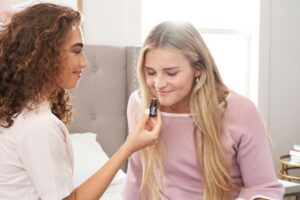

Young Living Essential Oils faced a $5 million settlement in 2024 over false health claims made about its products. The settlement, finalized in July 2024, covers purchases made between January 1, 2017 and April 25, 2024, affecting thousands of consumers who bought products marketed with unproven therapeutic benefits. If you purchased Young Living essential oils during this period based on claims that they could help you sleep better, reduce anxiety, improve focus, or treat health conditions, you may be eligible for compensation.
The case stems from Young Living’s long-standing practice of marketing essential oils as having therapeutic and medicinal properties without FDA approval. The company marketed terms like “therapeutic-grade” and made health-related claims that regulators and competitors argued were misleading and unsupported by scientific evidence. As part of the settlement, Young Living agreed to remove the “therapeutic-grade” label and modify its marketing practices nationwide.
Table of Contents
- What Were Young Living’s Health Claims and Why Did They Matter?
- The FDA’s Position and Why the Claims Were Violations
- The National Advertising Division Challenge and Settlement Negotiations
- Settlement Amounts and Eligibility Requirements
- What Young Living Changed and Why These Changes Matter
- How Young Living’s Case Relates to Other Essential Oil Litigation
- What This Case Means for Essential Oil Consumers Today
What Were Young Living’s Health Claims and Why Did They Matter?
Young Living marketed its essential oils with claims that they could help users sleep better, alleviate anxiety, improve focus and energy, and promote relaxation. These weren’t vague wellness suggestions—the company’s marketing materials, sales literature, and distributors made specific health claims that positioned the oils as remedies for medical conditions. For consumers, this mattered because many paid premium prices based on these health benefit claims, believing they were purchasing products with proven therapeutic value rather than unregulated fragrances.
The company’s use of the term “therapeutic-grade” was particularly problematic because it suggested the products met medical-grade standards, which they did not. This terminology does not exist in the cosmetics or pharmaceutical industry and has no official definition, yet Young Living used it prominently in marketing. Consumers reasonably interpreted this as meaning the products were held to higher standards and had scientific backing for their health claims.

The FDA’s Position and Why the Claims Were Violations
The FDA issued a warning letter to Young Living on June 10, 2022, determining that several of the company‘s product lines—including its Essential Oil, Vitality, Ningxia, and Nature’s Ultra CBD lines—were classified as drugs under federal law because of the company’s marketing claims about treating, curing, mitigating, or preventing disease. This meant Young Living was selling products as drugs without FDA approval, which violated the Federal Food, Drug & Cosmetic Act.
This regulatory classification is important to understand: a product is categorized as a drug when the manufacturer claims it can affect the body’s structure or function in a therapeutic way. Essential oils themselves aren’t inherently illegal to sell, but when Young Living claimed they could improve sleep, reduce anxiety, or treat health issues, the FDA determined the company was crossing from cosmetics into drugs territory without the necessary approvals. Most essential oil companies operate legally by avoiding health claims and marketing their products purely as aromatics or fragrances, not therapeutic treatments.
The National Advertising Division Challenge and Settlement Negotiations
Years before the FDA warning letter, competitor SC Johnson filed a challenge with the National Advertising Division (NAD) questioning Young Living and DoTerra’s therapeutic and health benefit claims. The NAD, an industry self-regulatory body, examined whether the companies could substantiate claims about improved sleep, relaxation, reduced anxiety, and enhanced focus and energy.
Young Living lost the appeal in the 2013-2014 timeframe and was required to discontinue the “therapeutic grade” claim. Despite losing the NAD challenge and agreeing to remove that language years earlier, Young Living continued to make health-related claims through various marketing channels, including through its network of independent distributors and sales representatives. This pattern of continued violations despite prior regulatory action likely contributed to the decision to pursue the settlement, as it showed the company hadn’t fully corrected its practices.
Settlement Amounts and Eligibility Requirements
Class members with proof of purchase from Young Living between January 1, 2017 and April 25, 2024 were eligible to receive compensation. The settlement payment structure offered $2 per unit purchased plus an additional $5 payment, with a maximum reimbursement of $25 per claimant. While these amounts may seem modest, they added up for consumers who made multiple purchases during the seven-year coverage period.
To claim compensation, consumers needed to submit proof of purchase, such as receipts, credit card statements, or purchase confirmations. Young Living also maintained records that could verify purchases for customers who no longer had documentation. The filing deadline for claims has passed, but those who filed timely claims received compensation proportional to the total settlement fund and the number of valid claims received.
What Young Living Changed and Why These Changes Matter
As part of the settlement, Young Living agreed to remove the term “therapeutic-grade” from all product labeling and marketing materials going forward. The company also agreed to modify how it presents health-related claims and to provide substantiation for any remaining benefit claims. These weren’t merely symbolic concessions—they represented a fundamental shift in how the company could market its products.
The limitation here is that the settlement doesn’t prevent Young Living from making all health claims, only unsubstantiated ones. The company can still market essential oils as aromatic products, and independent distributors may continue to make claims without direct corporate oversight, a common problem in multilevel marketing structures. This means consumers purchasing from Young Living today should still be cautious about any health-related claims made by distributors, as the settlement addressed corporate marketing but not the entire sales network.

How Young Living’s Case Relates to Other Essential Oil Litigation
Young Living isn’t the only essential oil company to face regulatory action over health claims. DoTerra, the other major player in the premium essential oil market, faced similar NAD challenges and FDA concerns over comparable marketing claims. However, Young Living’s case is notable because the $5 million settlement represents one of the largest class action recoveries specifically tied to essential oil health claims, making it a significant enforcement precedent.
The enforcement action also reflects a broader FDA crackdown on wellness companies making unapproved health claims. In recent years, the agency has issued warning letters to numerous companies marketing CBD products, colloidal silver, and various supplements as disease treatments without FDA approval. Young Living’s settlement signals that the FDA is willing to pursue not just warnings but also settlements with major companies that ignore regulatory guidance.
What This Case Means for Essential Oil Consumers Today
The Young Living settlement underscores an important lesson: essential oils are regulated as cosmetics or consumer products, not medicines, unless a company makes specific health claims—in which case they become unregulated drugs. For consumers today, this means being skeptical of any product marketed with claims that it can treat, cure, or prevent disease or health conditions.
Legitimate therapeutic uses of essential oils exist (aromatherapy, fragrance), but health benefit claims typically lack scientific support and regulatory approval. Looking forward, the settlement may encourage stricter internal compliance at Young Living and similar companies, but it also highlights why consumers should research products independently and consult healthcare providers before using any product as a substitute for medical treatment. The case demonstrates that regulatory agencies like the FDA take unsubstantiated health claims seriously, even when they come from well-established companies with large customer bases.
You Might Also Like
- Withings Health Data Privacy Class Action
- YouTube Premium Family Plan Price Class Action
- Wynn Resorts Employee Data Breach Class Action
Open Settlements You Can Claim Now
Browse current class action settlements accepting claims — several require no proof of purchase: