
Yes, there is an active class action settlement resolving Nissan CVT transmission failures affecting hundreds of thousands of owners. In May 2025, a $10 million settlement fund was established in the case *Travis Beaver, et al. v. Nissan North America, Inc.* (Case No.
3:22-cv-00785) to compensate owners of 2015-2018 Nissan Murano and 2016-2018 Nissan Maxima vehicles that suffered premature transmission failures. Owners of these vehicles have been experiencing catastrophic CVT (continuously variable transmission) failures, often requiring $4,000-$8,000 in replacement costs, sometimes occurring while the vehicle was still under warranty. The settlement provides multiple forms of relief: an extension of transmission warranty coverage to 84 months or 84,000 miles, reimbursement of up to $5,000 for non-dealer repairs already completed, full reimbursement for dealer repairs with proper documentation, and a $1,500 voucher toward purchasing or leasing a new Nissan or Infiniti vehicle for owners who experienced multiple transmission failures. This settlement represents one of the largest CVT-related class actions against Nissan and acknowledges years of complaints documenting systematic transmission defects in these model years.
Table of Contents
- What is a CVT Transmission and Why Are Nissan’s Failing?
- The History of Nissan CVT Problems and How This Settlement Came About
- What Compensation Can Eligible Vehicle Owners Receive?
- How to File a Claim and Meet the Claim Deadline
- Common Issues and Limitations in This Settlement
- Real-World Impact: What Owners Have Experienced
- Nissan’s Ongoing CVT Strategy and What’s Next
What is a CVT Transmission and Why Are Nissan’s Failing?
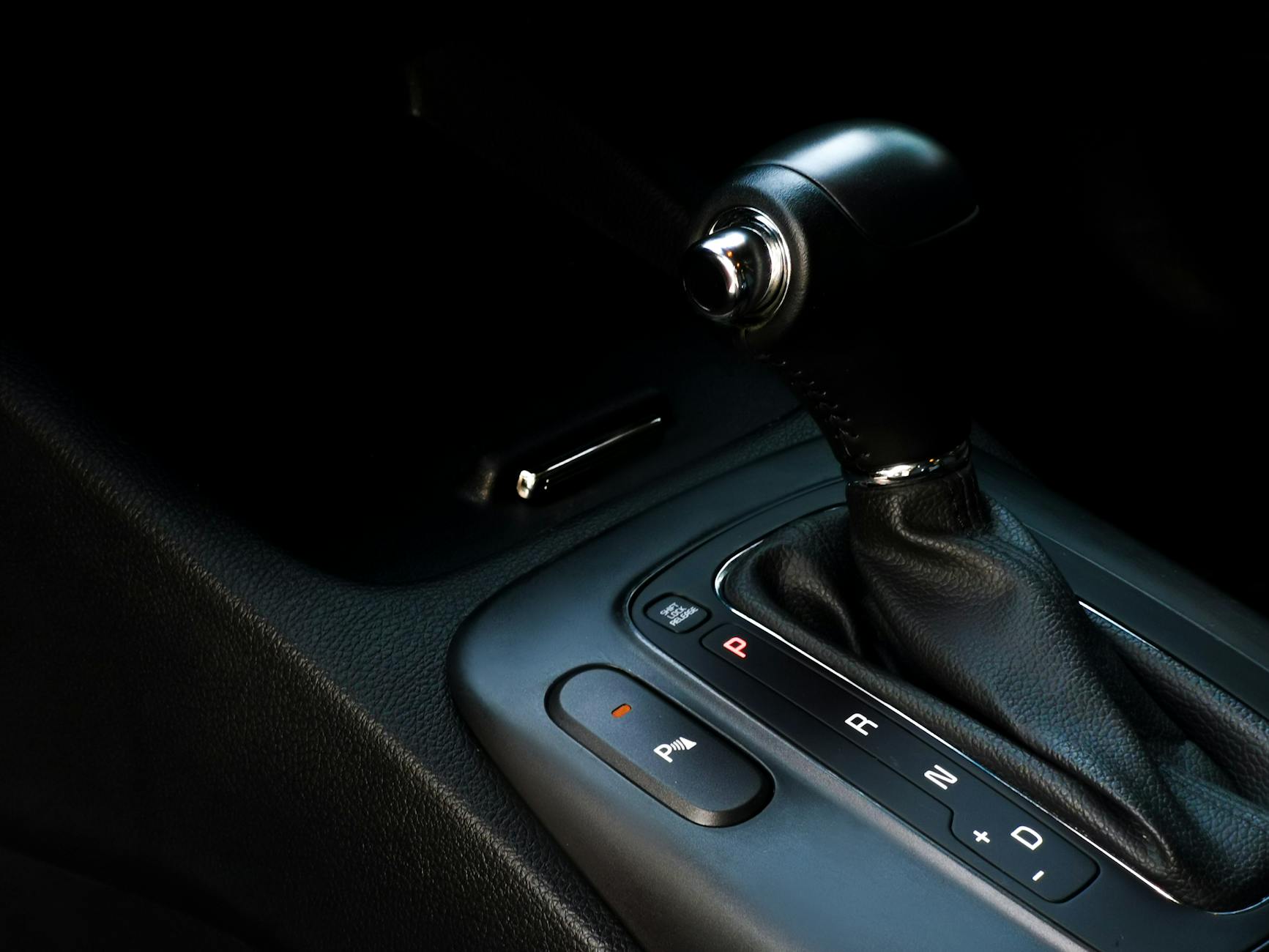
A continuously variable transmission (CVT) is a modern alternative to traditional automatic transmissions that uses a belt-and-pulley system instead of fixed gears to provide smooth acceleration without gear shifts. Nissan adopted CVTs widely in their lineup because they offer superior fuel economy and a refined driving experience—but the company’s implementation has proven unreliable. The CVT systems in the 2015-2018 Murano and 2016-2018 Maxima have experienced widespread failures involving belt slippage, pulley degradation, and internal seal failures that cause the transmission to lose power or fail entirely while driving.
The root cause appears to be inadequate cooling and insufficient fluid circulation within the CVT system, particularly during sustained highway driving or towing conditions. Owners report symptoms including shuddering, hesitation, loss of power, unusual noise, and sudden transmission failure—sometimes occurring with as few as 60,000 miles on the odometer. NHTSA has received over 1,000 complaints about these transmissions, with some owners reporting multiple failures on the same vehicle. Nissan’s earlier CVT models (2010-2013) showed failure rates as high as 20% within the first 100,000 miles, indicating the company was aware of systematic CVT problems for over a decade before addressing them in these specific settlement vehicle models.
The History of Nissan CVT Problems and How This Settlement Came About
Nissan’s CVT issues date back more than fifteen years. The 2010-2013 generation Altima and Rogue models experienced widespread transmission failures that Nissan addressed through extended warranty programs and technical service bulletins (TSBs), but the company did not issue a recall. When Nissan introduced updated CVTs in the 2015-2018 Murano and newer Maxima models, owners initially hoped the problems had been resolved—instead, the same failure patterns emerged, leading consumers to file class action complaints.
The settlement class includes anyone who owned a 2015-2018 Nissan Murano or 2016-2018 Nissan Maxima equipped with a CVT transmission (non-hybrid models) during the claim period. Travis Beaver, Luz Pineda, Susanne Hanes, and Carl Kirksey were named as class representatives, and each received $5,000 as part of the settlement terms. The challenge many owners face is that while Nissan has extended the transmission warranty, it only covers failures occurring before 84 months or 84,000 miles—meaning vehicles approaching or exceeding this threshold may have limited recourse. Additionally, owners who paid out of pocket for non-dealer repairs before claiming reimbursement must have proper documentation; if receipts are incomplete or if repair was performed by a shop that didn’t adequately document the CVT replacement, reimbursement may be denied.
What Compensation Can Eligible Vehicle Owners Receive?
The settlement provides three distinct compensation pathways. First, Nissan extended the CVT transmission assembly warranty from the original 5 years/60,000 miles to 84 months/84,000 miles—a substantial extension that covers most owners who haven’t already accumulated significant mileage. Second, owners who paid for non-dealer repairs can claim reimbursement of up to $5,000, or owners who paid a dealer can claim full reimbursement with proper documentation.
Third, owners whose vehicles required two or more transmission repairs or replacements can claim a $1,500 voucher toward the purchase or lease of a new Nissan or Infiniti vehicle. For example, an owner of a 2016 Maxima who experienced a transmission failure at 72,000 miles and paid $6,200 for an independent transmission shop replacement could claim the $5,000 reimbursement, reducing their net cost to $1,200. By contrast, an owner whose vehicle required a dealer replacement at an authorized Nissan service center may receive 100% reimbursement if they submit the original service invoice and repair documentation. The voucher program is particularly valuable for owners who experienced two failures, as it effectively subsidizes their next vehicle purchase—though the voucher applies only to new Nissan or Infiniti vehicles, not used ones, which may limit appeal for budget-conscious consumers.

How to File a Claim and Meet the Claim Deadline
Eligible class members must submit their claims on or before July 3, 2025, or within 30 days of a qualifying repair, whichever occurs later. Claims are filed through the official settlement website at Muranomaximacvtsettlement.com, where owners can submit their vehicle information, proof of ownership, and repair documentation. For the reimbursement claim, you’ll need copies of repair receipts, invoices showing the cost of transmission repair or replacement, and identification of your vehicle’s VIN.
The claims process is straightforward but requires organization: gather your vehicle title or registration, locate the original repair invoices (if purchased through independent shops, request copies from the repair facility if you no longer have them), and take photos or scans of documentation showing the date and cost of repair. The critical limitation is that Nissan and the settlement administrator will deny claims without adequate proof of repair—not having an original invoice or receipt from a transmission shop may disqualify you from reimbursement. The final fairness hearing is scheduled for July 18, 2025 at 1:00 p.m. Central Time, when the court will review and approve the final settlement, though this does not affect whether you can still file a timely claim.
Common Issues and Limitations in This Settlement
While the settlement provides meaningful relief, it has notable limitations. The 84-month/84,000-mile warranty extension sounds generous, but many owners have already exceeded this mileage by the time they discover a transmission failure—and vehicles purchased in 2015 are now approaching or exceeding these thresholds, meaning some owners may fall outside coverage. Additionally, Nissan’s warranty is conditioned on using Nissan-approved transmission fluid and following the manufacturer’s maintenance schedule; owners who cannot produce service records showing regular fluid changes may find their warranty claims denied if Nissan argues the transmission wasn’t properly maintained.
Another limitation is geographic and economic: owners who paid a transmission shop $8,000 for a complete replacement can claim only $5,000 reimbursement for non-dealer work, meaning they absorb $3,000 of the cost themselves. Owners who use Nissan dealerships for repair may receive full reimbursement, creating an inequitable outcome where dealership customers are made whole while independent shop customers subsidize part of the cost. The settlement fund ($10 million) may prove inadequate if claims exceed projections—if thousands of owners submit reimbursement claims, the per-claim payout could be reduced through pro-rata distribution, though the current structure assumes the fund will cover approved claims in full.

Real-World Impact: What Owners Have Experienced
Owners of affected vehicles have reported devastating real-world consequences. One common scenario involves owners who experienced transmission failure while driving on the highway, suddenly losing power and coasting to the roadside, creating dangerous situations. A Murano owner in Tennessee reported the transmission failed at 68,000 miles, requiring a $7,400 dealer replacement that was initially denied by Nissan because the vehicle was one month past the original warranty.
An Orange County Maxima owner discovered her transmission was slipping at 58,000 miles during everyday city driving, creating a safety hazard; repair cost $6,800 at the Nissan dealership, and her insurance provided no coverage because transmission failure is considered a mechanical defect, not an accident. For many owners, the financial burden extended beyond repair costs. Those who could not afford immediate replacement faced the choice of selling their vehicle at a severe discount due to transmission failure, using it with a defective transmission (risking further damage), or financing costly repairs. The settlement acknowledges this hardship by providing retroactive reimbursement and vouchers, though this benefit comes years after owners incurred the expenses and stress.
Nissan’s Ongoing CVT Strategy and What’s Next
Nissan has not issued a full recall for these transmissions, instead relying on the settlement to resolve claims and the extended warranty to cover future failures. The company continues to use CVTs in many models, though newer designs incorporate improved cooling systems and fluid circulation—reflecting an implicit acknowledgment that earlier CVT implementations were inadequate. For owners, this means vigilance: regular CVT fluid changes at the recommended intervals and prompt attention to any signs of transmission trouble (shuddering, hesitation, loss of power) are essential.
Looking forward, the settlement sets an important precedent: owners of vehicles with systematic defects need not accept manufacturer liability denials when evidence of widespread failure exists. The case demonstrates that class actions remain an effective tool for compensating consumers harmed by defective transmissions, even when manufacturers resist recall designations. For Nissan, the $10 million settlement and extended warranty represent the cost of addressing years of CVT inadequacy in these specific model years, while owners benefit from recognition of the defect and financial remedies.
Sources
- $10M Nissan Murano & Maxima CVT Settlement on OpenClassActions.com — full settlement breakdown, with eligibility, payout tiers and filing steps.
You Might Also Like
- Straumann Dental Implant Failure Class Action
- Pinnacle Hip Implant Metal Failure Class Action
- Medtronic Pacemaker Lead Failure Class Action
Open Settlements You Can Claim Now
Browse current class action settlements accepting claims — several require no proof of purchase: