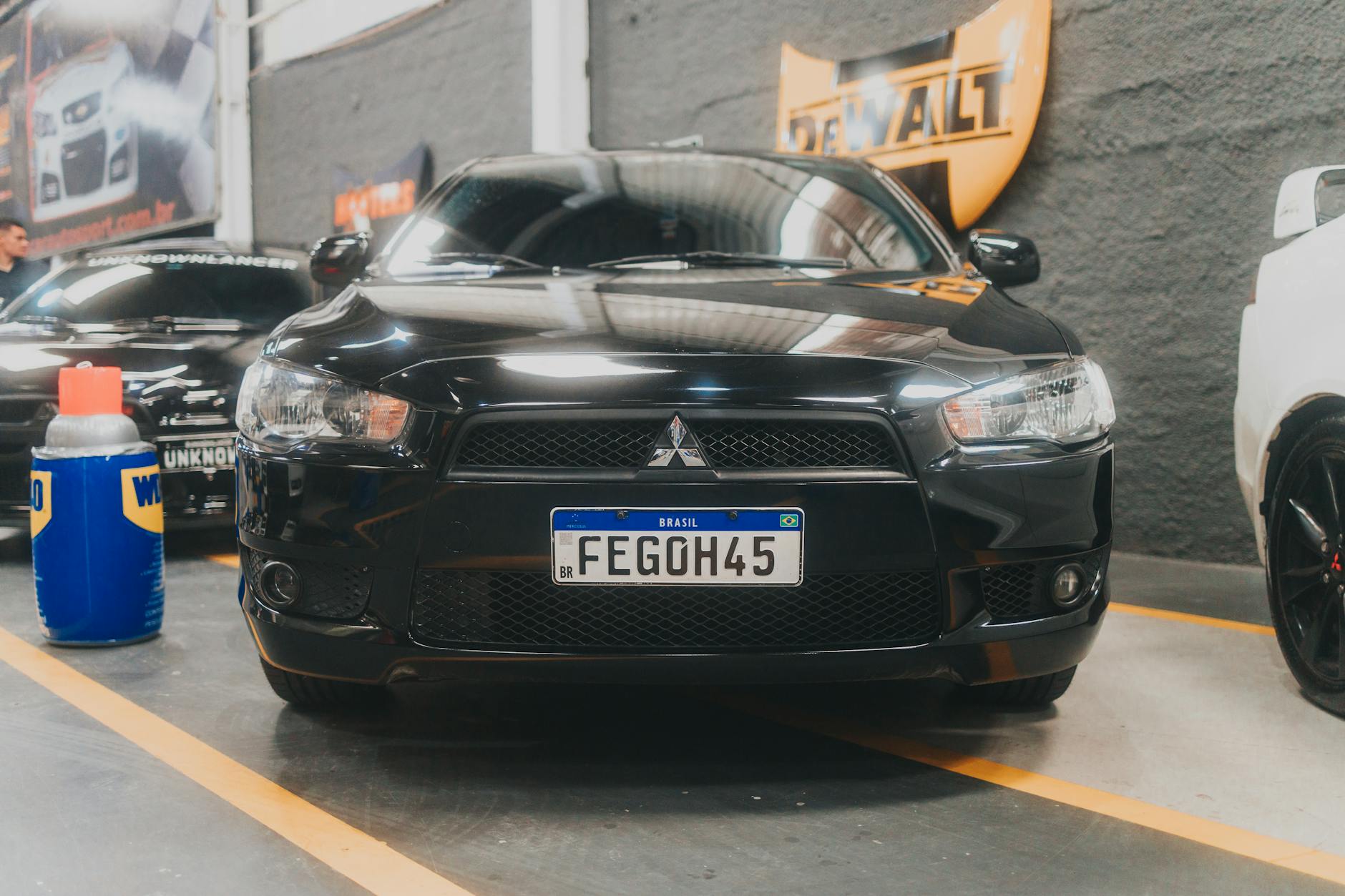
Owners and lessees of certain 2013-2017 Mitsubishi Lancer and 2013 Mitsubishi Outlander models are eligible for cash compensation through an $8.5 million class action settlement over defective airbag control units. If you owned or leased one of the affected vehicles as of November 1, 2024, you may be entitled to up to $250 per vehicle, though the exact payment depends on how many eligible claims are filed.
The settlement addresses a serious safety defect in ZF-TRW airbag control units that were vulnerable to electrical overstress, potentially causing airbag systems to fail when you need them most. We also address the ongoing CVT transmission litigation affecting newer Mitsubishi models, which remains pending and has not yet been settled.
Table of Contents
- What is the Mitsubishi Airbag Control Unit Defect?
- Which Mitsubishi Models and Years Are Eligible?
- How Much Money Can You Receive?
- How Do You File a Claim for the Settlement?
- Is There a Final Approval Hearing, and What Does That Mean?
- What About the CVT Transmission Defect in Mitsubishi Vehicles?
- What Should You Do Now?
What is the Mitsubishi Airbag Control Unit Defect?
The settlement addresses a manufacturing defect in specific Mitsubishi vehicles equipped with ZF-TRW airbag control units. These electronic components are designed to deploy airbags in a collision, but the defective units were susceptible to electrical overstress—a technical failure that could prevent the airbags from deploying when needed. This creates a serious safety hazard because airbags are critical collision safety features.
If an airbag control unit fails silently, you wouldn’t know your vehicle’s airbag system is compromised until an accident occurs. The defect wasn’t discovered immediately and only became the subject of legal action after enough complaints accumulated from owners experiencing problems. Mitsubishi agreed to the settlement to resolve the claims without admitting fault, which is standard in class action settlements. The company has committed $8.5 million to compensate eligible vehicle owners and lessees.
Which Mitsubishi Models and Years Are Eligible?
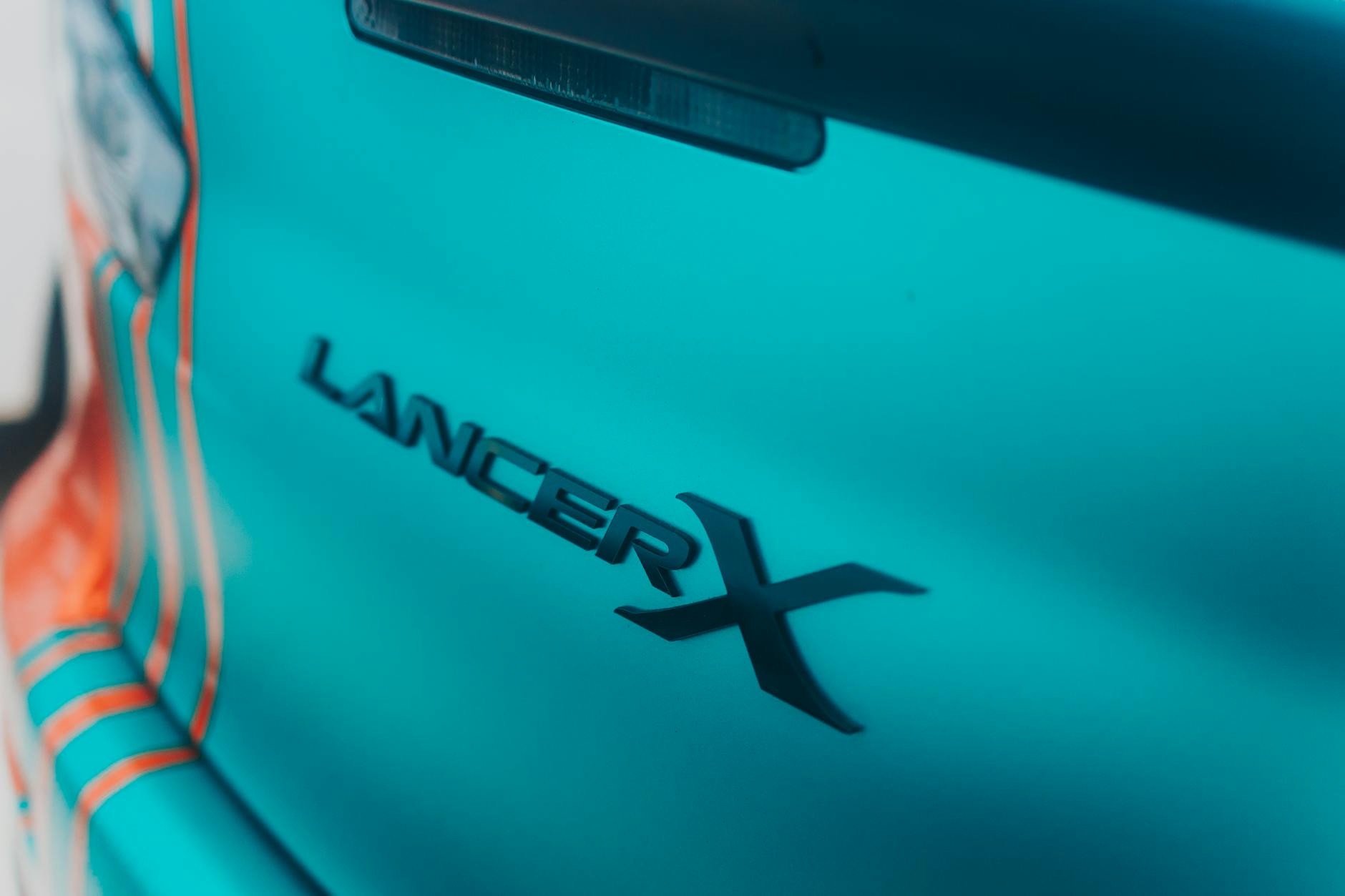
The settlement covers a specific range of Mitsubishi vehicles, and the year and model matter greatly for determining your eligibility. Eligible vehicles include 2013-2017 Mitsubishi Lancer, 2013-2015 Mitsubishi Lancer Evolution, 2013-2015 Mitsubishi Lancer Ralliart, 2013-2016 Mitsubishi Lancer Sportback, and 2013 Mitsubishi Outlander. If you own or leased a different model year or variant, you may not be eligible, so it’s important to verify your specific vehicle information.
one critical eligibility requirement is that your vehicle must have been owned or leased on November 1, 2024. This cutoff date means you don’t need to own the vehicle today to qualify—you just needed to own it on that specific date. However, if you sold or traded in your Mitsubishi before November 1, 2024, you may have missed the window. Newer Mitsubishi models, including 2017-and-later Lancer models, are not covered by this particular settlement, though other Mitsubishi defect litigation continues.
How Much Money Can You Receive?
The settlement allocates $8.5 million across all eligible claims, with payments capped at $250 per qualifying vehicle. The exact amount you receive depends on how many people file claims—this is called a “pro rata” distribution. If there are 10,000 valid claims, the $8.5 million is divided by 10,000. If there are 40,000 claims, each person receives proportionally less.
There’s no way to predict the exact payment until the claims period closes. You can only receive one payment per vehicle even if you own multiple eligible Mitsubishi vehicles from the covered model years. If you leased a vehicle rather than owned it, you’re also eligible if the lease was active on November 1, 2024. The settlement doesn’t require you to have the vehicle fixed or provide proof that the airbag system actually failed—you’re eligible simply because you owned an affected model during the relevant timeframe.

How Do You File a Claim for the Settlement?
Filing a claim is the only way to receive compensation, and there’s a strict deadline: all claims must be filed by May 8, 2026. After that date, you forfeit your right to payment. The claim process typically involves submitting proof of ownership or lease, such as registration documents, loan papers, or lease agreements. You’ll need documentation showing you owned the vehicle on November 1, 2024.
Most class action settlements have an official settlement website where you can file claims online, by mail, or sometimes through other methods. The claim filing process is usually straightforward and doesn’t require hiring an attorney, though you have the option to do so. Keep in mind that attorney fees are typically paid from the settlement fund rather than deducted from your individual payment, but you should review the official claim instructions carefully. Missing the May 8, 2026 deadline means you won’t receive any compensation, regardless of your vehicle’s eligibility.
Is There a Final Approval Hearing, and What Does That Mean?
Yes, the settlement has a final approval hearing scheduled for April 7, 2025 at 8:30 a.m. This hearing is when the court formally approves the settlement agreement after evaluating whether it’s fair, reasonable, and adequate for class members. The final approval hearing is an important milestone because it confirms the settlement is legitimate and binding. After the court approves the settlement, the claims period begins and settlement administrators start processing claims.
If you want to object to the settlement or exclude yourself from it, you typically have a deadline to do so before the final approval hearing. Most class members simply accept the settlement and file a claim. However, if you believe the settlement terms are inadequate or you want to pursue litigation separately, opting out is possible—though this is rare and requires affirmative action on your part. Once the hearing passes and no objections are sustained, the settlement becomes final and payments begin processing.

What About the CVT Transmission Defect in Mitsubishi Vehicles?
Beyond the airbag settlement, a separate class action lawsuit is pending against Mitsubishi for CVT transmission defects affecting various models. This CVT litigation involves alleged transmission shuddering, surging, jerking, delayed acceleration, and in some cases catastrophic transmission failure. Unlike the airbag settlement, the CVT case has not been resolved and remains ongoing in court.
The CVT transmission litigation affects a broader range of vehicles, including 2014-2019 Mitsubishi Lancer, 2014-2020 Mitsubishi Outlander, 2014-present Mitsubishi Outlander Sport, 2014-present Mitsubishi Mirage, and 2018-present Mitsubishi Eclipse Cross. If you own one of these vehicles, you may be part of the CVT class action whether you’ve filed a claim or not. However, because this case hasn’t settled yet, there are no claims to file or payments to collect at this time. Settlement may occur in the future, and claims would only become available once a settlement is approved.
What Should You Do Now?
The immediate action is to determine whether you own an eligible vehicle and file your claim before the May 8, 2026 deadline. Gather your ownership or lease documentation and locate the official settlement website or contact information. If you can’t find the settlement website or need assistance, you can contact a class action attorney who handles Mitsubishi settlements, though you’re not required to use legal representation to claim your compensation.
Monitor the settlement’s progress toward the April 7, 2025 final approval hearing. After that date, the claims period officially opens, and you can file at any time up until May 8, 2026. Don’t wait until the last minute—claims processing takes time, and administrative delays could affect when you receive your payment. Keep your vehicle documentation accessible and stay alert for settlement announcements or notices you may receive by mail if the settlement administrator has your contact information.
Sources
- Mitsubishi Outlander Hood Flutter Class Action Settlement — OpenClassActions.com’s full settlement breakdown, with eligibility, payout tiers and filing steps.
You Might Also Like
- Shimano Bicycle Crankset Defect Class Action Settlement
- ZOA Energy $3 Million False Preservative-Free Labeling Class Action Settlement
- Wells Fargo $33 Million Deceptive Subscription Billing Class Action Settlement
Open Settlements You Can Claim Now
Browse current class action settlements accepting claims — several require no proof of purchase: