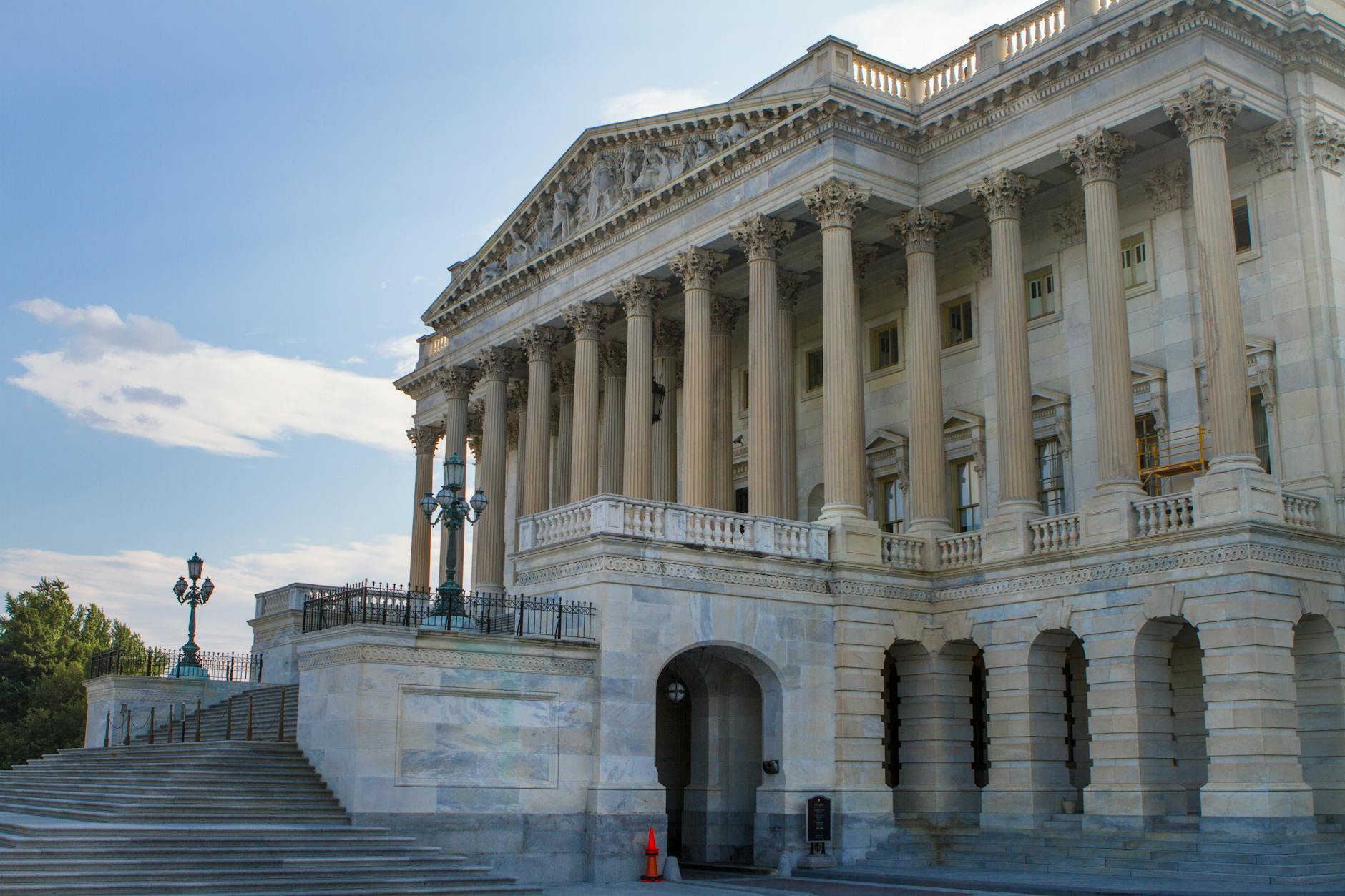
A jury in Los Angeles is continuing deliberations in a landmark addiction lawsuit against Meta and Google/YouTube after more than a week of discussion without reaching consensus. As of March 24-25, 2026, the jury has been deliberating for over 8 days in a case that alleges these major social media platforms deliberately designed addictive features targeting youth, causing documented harm. The case centers on K.G.M., a 20-year-old from Chico who began using YouTube at age 6 and later became a heavy Instagram user, alleging that the platforms’ addictive practices contributed to depression and harmful thoughts.
The significance of continued deliberations cannot be overstated. This is one of the first cases of its kind to reach a jury verdict stage, with TikTok and Snap having already settled before trial began. The jury has moved beyond the liability phase and is now considering financial damages, meaning they’ve determined the companies engaged in wrongful conduct and are now deciding how much compensation is warranted.
Table of Contents
- Why Is the Jury Struggling to Reach Consensus in This Addiction Case?
- What Makes This Case Different From Traditional Product Liability Lawsuits?
- What Evidence Did the Jury Consider About Platform Design?
- How Are Damages Being Calculated in This Phase of Deliberations?
- What Does the Jury Deadlock Signal About This Type of Case?
- How Do Earlier Settlements With TikTok and Snap Factor Into This Case?
- What Does This Verdict Mean for the Future of Social Media Accountability?
Why Is the Jury Struggling to Reach Consensus in This Addiction Case?
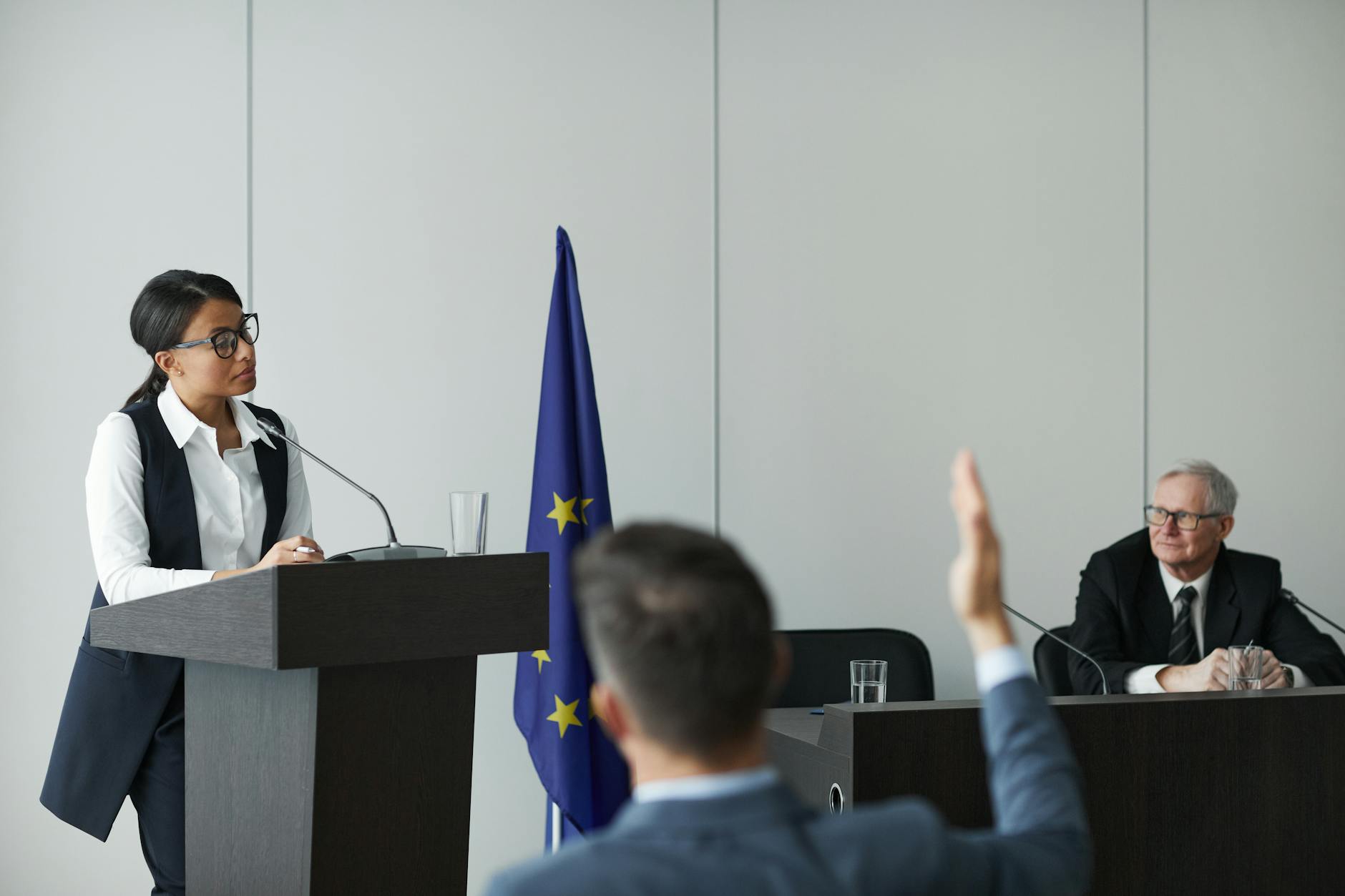
Judge Carolyn B. Kuhl, who is overseeing the case, has instructed the jury to continue deliberations after signaling difficulty reaching a verdict against at least one of the defendants. Jury deadlock in high-stakes civil cases is not uncommon, but the complexity of proving damages in addiction cases presents particular challenges. The jury must evaluate not only whether meta and Google/YouTube engaged in deceptive or negligent practices, but also quantify the harm experienced by the plaintiff and determine appropriate financial compensation.
The deliberation process requires jurors to weigh technical evidence about algorithmic design, internal company documents about platform features, expert testimony about addiction mechanisms, and the plaintiff’s testimony about personal harm. Different jurors may weigh this evidence differently, especially when the law requires them to determine whether the companies’ actions met the legal standard for liability. Some jurors may believe the evidence clearly demonstrates wrongdoing, while others may have concerns about causation—specifically, whether the platform’s features alone caused the plaintiff’s depression and harmful thoughts, or whether other factors were involved. This is a critical distinction because civil law typically requires a causal connection between the defendant’s conduct and the plaintiff’s injuries.

What Makes This Case Different From Traditional Product Liability Lawsuits?
social media addiction cases represent a relatively new frontier in consumer protection law, making this trial unprecedented in several ways. Unlike traditional product liability cases involving physical injury from a defective product, this case requires the jury to understand and evaluate intangible harms—psychological and emotional damage caused by algorithmic manipulation and design practices. The plaintiff must establish not just that the platforms used addictive features, but that these features were specifically targeted at youth and caused foreseeable harm. However, if the jury finds in the plaintiff’s favor, the damages phase becomes exceptionally complex.
How do you calculate monetary compensation for depression and harmful thoughts? Is there a formula based on medical treatment costs, lost wages, pain and suffering, or some combination? The jury is now grappling with these questions, which explains why deliberations have extended beyond a week without resolution. Expert witnesses likely presented conflicting estimates of damages, and jurors may be struggling to agree on which methodologies are most appropriate. Additionally, the jury must consider whether to award punitive damages—damages designed to punish the companies for particularly egregious conduct—which could significantly increase the total award. This added layer of decision-making extends deliberation time considerably.
What Evidence Did the Jury Consider About Platform Design?
Throughout the trial, evidence was presented about how Meta (Instagram) and Google/YouTube deliberately designed features to maximize user engagement and time spent on platforms. The plaintiff’s legal team presented internal company documents, expert testimony about psychological manipulation techniques, and the plaintiff’s own testimony about her experience starting with YouTube at age 6 and progressing to heavy Instagram use during her teenage years. Features like infinite scroll, algorithmic recommendation systems that prioritize emotionally provocative content, notification systems designed to interrupt attention, and streak counters that create artificial obligations to return daily were all likely discussed during trial.
The specific impact on young users is central to the plaintiff’s case. Research presented during trial likely showed that adolescent brains are particularly vulnerable to addictive design patterns because their reward systems are still developing and their impulse control is not fully mature. The plaintiff’s own trajectory—beginning at age 6 with YouTube and escalating use through Instagram—illustrates how platforms can create lifelong users through early exposure. Expert witnesses probably testified about how these design features activate the same neural pathways as gambling or substance addiction, making the “addictive” characterization medically and psychologically grounded rather than merely metaphorical.
How Are Damages Being Calculated in This Phase of Deliberations?
Now that the jury has moved into the damages phase, they are determining the appropriate financial compensation for the plaintiff’s harm. This typically includes compensatory damages—direct economic losses and pain and suffering—and potentially punitive damages meant to deter future misconduct. For K.G.M., compensatory damages might include costs of mental health treatment, any lost educational or employment opportunities, and compensation for emotional suffering and diminished quality of life. The challenge lies in comparing this case to precedent, as social media addiction damages are not well-established in law.
The jury may look to similar cases involving other addictive harms—tobacco litigation, opioid cases, or gambling harm cases—to inform their thinking about appropriate damage levels. However, each of these contexts involves different types of harm and different legal standards. Additionally, the defendant companies’ financial capacity matters: Meta and Google generate hundreds of billions in revenue annually, so a damages award that would bankrupt a smaller company might be considered insufficient to punish or deter a tech giant. Jurors must balance making an award that meaningfully compensates the plaintiff while setting a precedent that reflects the seriousness of the conduct without becoming punitive in an unreasonable way.
What Does the Jury Deadlock Signal About This Type of Case?
The fact that the jury has signaled difficulty reaching consensus on liability against at least one defendant reveals important limitations in holding social media companies legally accountable. Even when evidence of addictive design is presented, convincing a diverse group of citizens that a company’s business practices crossed the legal line into wrongdoing is challenging. Some jurors may believe that individuals bear responsibility for their own technology use, particularly teenagers whose parents have some role in monitoring usage. Others may be uncertain whether the legal framework for product liability and negligence properly applies to digital platforms.
A warning worth noting: jury deadlock does not mean the case will result in a mistrial. Judge Kuhl can provide additional instructions encouraging continued deliberations, and many juries that initially signal deadlock eventually reach a verdict after additional discussion. However, if the jury remains deadlocked after reasonable further deliberations, a mistrial would be declared and the case would likely be retried. This outcome would delay justice for the plaintiff and would require another jury to hear the evidence and attempt to reach consensus—a costly and time-consuming process for all parties involved. The longer the current jury deliberates, the closer they may come to breaking the deadlock, or the more entrenched their positions become.

How Do Earlier Settlements With TikTok and Snap Factor Into This Case?
Before this trial began, TikTok and Snap reached settlements in similar social media addiction lawsuits. While the specific settlement terms may be confidential or subject to standard legal protective orders, the fact that these companies settled rather than proceed to trial signals their assessment of liability risk. Settling before trial can be a strategic choice to avoid the public spectacle of trial, the unpredictability of jury verdicts, and the potential for a larger judgment.
However, settlements do not establish legal precedent in the same way a jury verdict would. The jury in the current Meta and Google/YouTube case may or may not be aware of these earlier settlements, depending on Judge Kuhl’s rulings on what evidence and information are admissible. If the jury knows that competitors settled, it might influence their thinking about industry-wide liability. Hundreds of similar lawsuits remain pending against these companies and others, so the outcome of this case will likely influence how other cases proceed, whether through settlement negotiations or future trials.
What Does This Verdict Mean for the Future of Social Media Accountability?
Regardless of the jury’s final verdict, this case has already reshaped the legal landscape surrounding social media companies and youth protection. The fact that a case alleging addictive design practices reached a full jury trial demonstrates that courts and plaintiffs’ attorneys view social media addiction as a legitimate legal claim warranting judicial review. Future cases will likely build on evidence and legal arguments presented in this trial, whether the verdict favors the plaintiff or the defendants.
If the jury finds in favor of the plaintiff and awards substantial damages, it could create a strong incentive for social media companies to modify their design practices, especially features targeting young users. Conversely, if the jury sides with the defendants, it may narrow the legal pathway for addiction claims and shift the burden of protection toward parents, schools, and regulatory bodies rather than the platforms themselves. Either way, this case is establishing important precedent for how courts evaluate claims that technology platforms deliberately create addiction in vulnerable populations.
You Might Also Like
- Social Media Addiction Trial Continues Without Final Jury Decision
- Social Media Addiction Lawsuit Still Awaiting Jury Verdict
- Jury Still Out in High-Profile Social Media Addiction Lawsuit
Open Settlements You Can Claim Now
Browse current class action settlements accepting claims — several require no proof of purchase: