To verify an FCRA claim in 2026, confirm the case on the federal court docket and confirm a court-approved notice covers you. FCRA means the Fair Credit Reporting Act, the federal law that sets accuracy and dispute rules for credit reports.
A real claim always traces back to those two sources, not to an ad or email alone. This guide shows how to check filings, read notices, gather proof, and spot scams. Use it before you share personal data or pay anyone for help.
Official resources:
- Read the official notice from Uscourts — Use this primary source to verify the official announcement.
- Read the original report from FTC — Use this primary source to review the complete report.
Table of Contents
- Start with the court docket
- Read the settlement notice closely
- Build your evidence file
- Avoid fees and refund scams
Start with the court docket
According to the Administrative Office of the U.S. Courts, federal court case files are maintained electronically and available through PACER, where anyone with an account can search dockets through the PACER court-records search.
Search by case number and party name, then open the docket itself. Match the names, court, case number, and current status on every ad or notice against that docket. If you cannot find the case, do not file.
Read the settlement notice closely
According to the U.S. Courts Rule 23 materials, a certified federal class action may be settled or dismissed only with court approval, after reasonable notice and a hearing finding the proposal fair, reasonable, and adequate, as described in the Rule 23 amendment materials.
Look for that approval order, not only a claim website. Check who belongs in the class, what time period applies, what proof is required, and where and when to file. If your address, account, dispute, or date falls outside that definition, the claim is not yours.
Build your evidence file
Pull your own credit reports before you describe an error. According to FTC Consumer Advice, Equifax, Experian, and TransUnion permanently offer free weekly reports through AnnualCreditReport.com, explained in the FTC free credit reports alert.
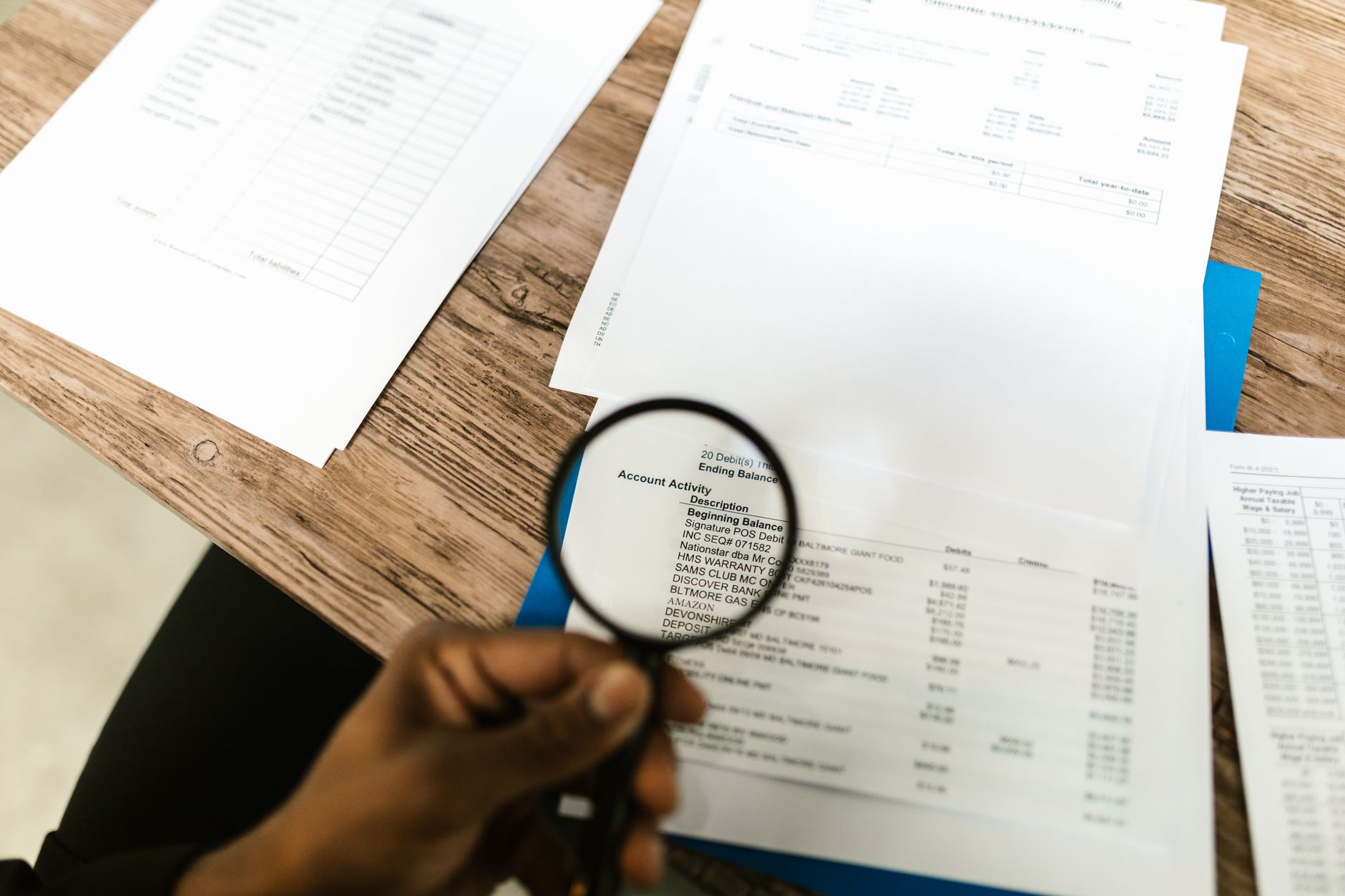
Save copies that show the mistake, the account name, and the dates shown. Keep dispute letters, delivery receipts, company responses, and correction notices in one folder. A short timeline with names and dates helps you answer the claim form accurately.
Avoid fees and refund scams
A legitimate class action claim form does not charge a filing fee. According to the FTC, it never requires payment or sensitive financial information to issue a refund and warns against clicking emailed refund links, as explained in the FTC refund FAQ. Stop and report that contact through ReportFraud.ftc.gov, then verify the case through the court docket.
- Asks for payment to file, release, or receive money.
- Pushes you to click a refund link in email or text.
- Requests bank login, gift cards, wire transfers, or crypto.
- Refuses to give a case number, court, or claims administrator.
You Might Also Like
- How to Verify Video Privacy and VPPA Class Actions Claims in 2026: court filings and settlement notices, Evidence, and Red Flags
- How to Verify Transportation Class Actions Claims in 2026: court filings and settlement notices, Evidence, and Red Flags
- How to Verify FACTA Class Actions Claims in 2026: court filings and settlement notices, Evidence, and Red Flags