
If you booked a stay at a Hilton property and discovered mandatory resort fees added after you thought you’d locked in your room rate, you may be eligible for compensation through multiple settlement agreements. Hilton faces several legal actions related to deceptive fee practices, including a completed 2015 settlement covering Hawaiian properties, a recent Nebraska Attorney General settlement requiring fee transparency, ongoing Texas litigation, and a 2023 lawsuit filed by Travelers United. For example, if you booked the Hilton Hawaiian Village with a prepaid rate between October 2009 and May 2013 and weren’t clearly shown the resort fee before confirming your reservation, you could be part of the resolved Soule v.
Hilton Worldwide settlement that recovered over $561,000 for affected guests. The core issue is straightforward: Hilton and other hotel chains have advertised room rates that don’t include mandatory fees—such as resort fees, facility charges, or destination fees—creating what consumer advocates call “junk fees.” These hidden charges inflate the final cost well above the advertised price, often by $20 to $45 per night or more. This article explains which settlements apply to you, how to file a claim, what compensation is available, and what recent legal victories mean for hotel transparency going forward.
Table of Contents
- What Are Hilton Resort Fees and How Do They Work?
- The Nebraska Settlement and Mandatory Fee Transparency
- The 2015 Hawaiian Class Action Settlement
- How to Determine If You’re Eligible for Claims
- The Travelers United Lawsuit and Ongoing Texas Litigation
- Federal Law Changes and What They Mean
- What This Means for Future Hotel Bookings
- Frequently Asked Questions
What Are Hilton Resort Fees and How Do They Work?
Resort fees are mandatory daily charges that Hilton properties add on top of the advertised room rate. These fees are supposed to cover amenities like fitness centers, pools, Wi-Fi, or concierge services, but the problem historically has been that guests didn’t see them until the final step of booking—after they’d already committed to the room. The advertised rate might say $120 per night, but the final total could be $165 after a $45 daily resort fee is added.
The lawsuit settlements target the disclosure practices Hilton used, which failed to show the full price (room rate plus mandatory fees) prominently and early in the booking process. For comparison, a guest booking at Hyatt Properties faced similar practices—Hyatt recently settled with Texas for $1.25 million in January 2026 for the same type of hidden fee violations, which underscores how widespread the industry practice has been. The key distinction between a legitimate resort fee and a deceptive one is transparency: if you know the full price upfront before committing, it’s a disclosed fee; if it appears only at checkout, it’s deceptive.

The Nebraska Settlement and Mandatory Fee Transparency
In a significant win for transparency, Hilton reached a settlement with the Nebraska Attorney General’s office that resulted in $300,000 in attorney’s fees and costs. More importantly, the settlement requires Hilton to disclose the complete total price—including all mandatory fees—on the first page of its booking website. This means guests should now see the full cost upfront, before they select a room or proceed to checkout.
However, if you booked before this settlement was finalized, you were likely not protected by these disclosure requirements. The settlement doesn’t automatically compensate past guests; it’s a going-forward agreement that changes how Hilton displays prices. If you’re considering whether to pursue other settlements, check whether your stay falls within the date ranges specified by other class actions. The Nebraska settlement also reflects a broader push by state attorneys general: Ken Paxton’s Texas Attorney General office has sued Hilton separately for violations of Texas Consumer Protection Laws, and has already secured similar transparency settlements from Marriott, Omni, Choice Hotels, and Booking.com.
The 2015 Hawaiian Class Action Settlement
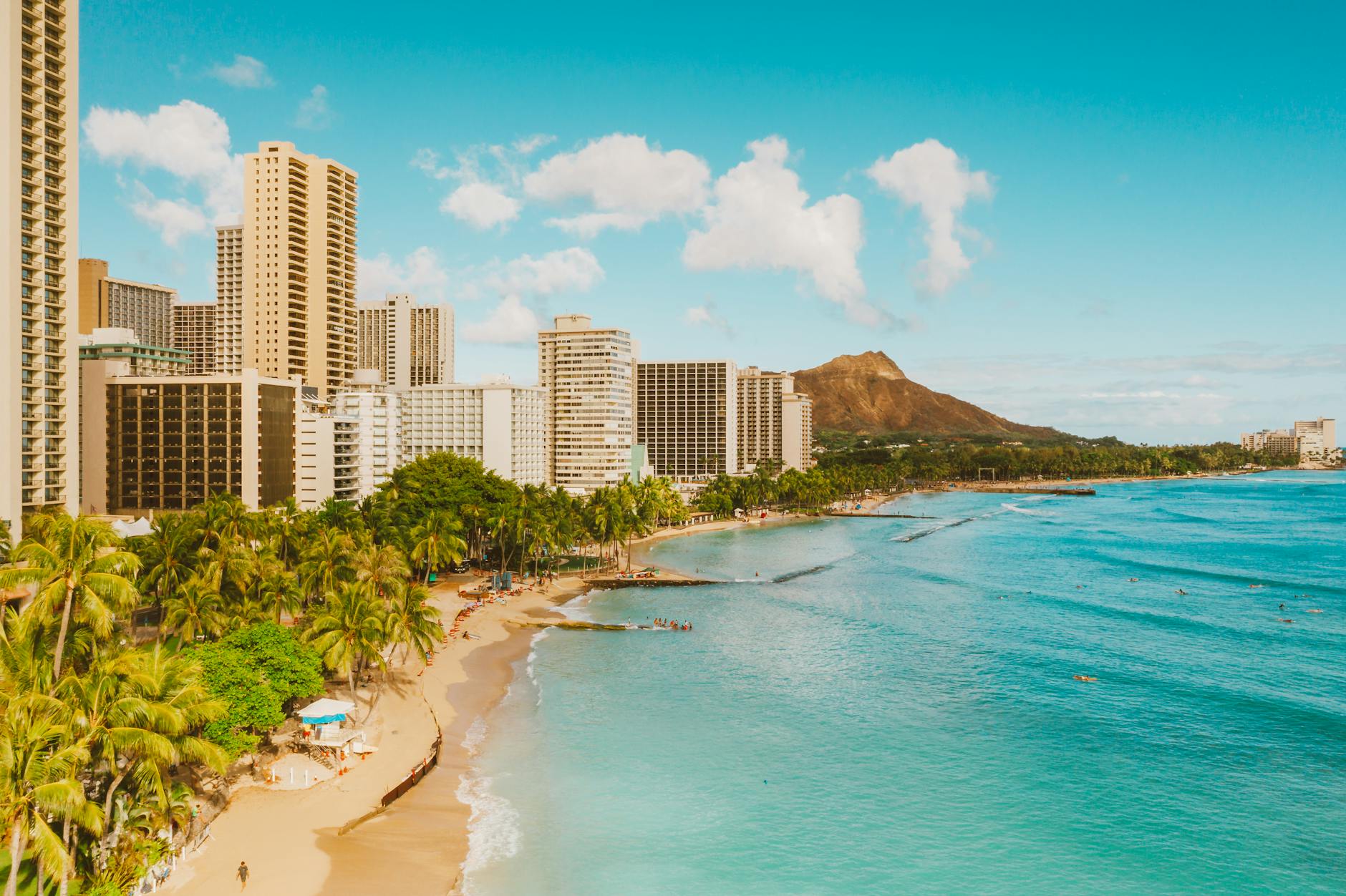
The most concrete settlement available to guests is Soule v. Hilton Worldwide, a Hawaii-based class action that was resolved with a settlement fund of $561,000. This settlement covers guests who booked rooms at the Hilton Hawaiian Village, Hilton Waikoloa Village, or Grand Wailea between October 17, 2009 and May 1, 2013 using prepaid rates without adequate disclosure of resort fees.
The court noted that the settlement would allow the class to recover 100% of their potential damages—meaning the settlement was deemed fair and fully compensatory. To qualify for the Soule settlement, you needed to have booked one of those three specific properties during that ten-year window and paid for your stay upfront without being clearly shown the resort fee before finalizing your reservation. If you believe you fit this description, you would need to file a claim with the settlement administrator (Tycko & Zavareei LLP managed the settlement) with proof of your booking. This settlement is already closed, so claims can no longer be filed—it’s historical and illustrates the type of compensation guests won in the past.
How to Determine If You’re Eligible for Claims
Eligibility depends on which settlement or lawsuit you might be covered under. For the resolved Soule v. Hilton Hawaiian settlement, you needed to stay at one of the three named properties between 2009 and 2013 with a prepaid rate and inadequate fee disclosure—but this settlement is closed and no new claims can be filed. For the Nebraska Attorney General settlement, that’s a going-forward requirement affecting future bookings and doesn’t pay out compensation for past stays; instead, it ensures better transparency for anyone booking Hilton properties going forward.
The Travelers United lawsuit, filed in September 2023, is ongoing and alleges deceptive junk fee practices across Hilton properties. If you’ve booked at any Hilton property and were charged mandatory resort fees that weren’t clearly disclosed at the time of rate selection, you could potentially be part of this class action. Similarly, Texas’s separate litigation against Hilton (following the success of the $1.25 million Hyatt settlement) may provide additional recovery options. To determine eligibility, gather your booking confirmation, receipt, and reservation documentation showing when you were informed of the resort fee. Contact the law firms handling the litigation (Tycko & Zavareei LLP is a key firm working on Hilton cases) or check the official settlement websites for current claim deadlines and procedures.
The Travelers United Lawsuit and Ongoing Texas Litigation
Travelers United filed a lawsuit in September 2023 specifically targeting Hilton’s junk fee practices, arguing that Hilton omits mandatory fees from advertised room rates in a way that deceives consumers into booking without knowing the true cost. This lawsuit represents active litigation, meaning it hasn’t been settled yet and is still working through the courts. If this case is successful, it could result in a settlement similar to the Hawaiian settlement, potentially offering compensation to hundreds of thousands of guests.
In parallel, Texas Attorney General Ken Paxton announced a separate lawsuit against Hilton for violations of Texas Consumer Protection Laws and lack of price transparency. Paxton’s office has proven success with similar cases: Hyatt Hotels just paid $1.25 million in January 2026 for comparable violations, and the office has also settled with Marriott, Omni, Choice Hotels, and Booking.com. This track record suggests that Hilton is likely facing significant legal exposure and may reach a settlement agreement. The warning here is that ongoing litigation is unpredictable—settlements can take years to resolve, and there’s no guarantee of success.

Federal Law Changes and What They Mean
As of 2025, a new federal requirement took effect mandating that hotels include all mandatory fees in advertised room rates. This is a major shift that affects Hilton and every other major hotel chain. The law doesn’t eliminate resort fees—it requires that the fees are disclosed in the advertised price, not hidden until checkout.
For example, if Hilton wants to advertise a room at $150 per night with a $40 mandatory resort fee, the advertised rate must now be $190. This federal rule is a direct response to the type of deceptive practices that sparked the Hilton lawsuits and settlements in the first place. It won’t retroactively compensate guests who were charged hidden fees in the past, but it fundamentally changes the booking landscape going forward. If you’re booking a Hilton property today, you should see the true total cost upfront, which means you can make an informed decision about whether the property is worth the price.
What This Means for Future Hotel Bookings
The combination of state settlements, ongoing litigation, and federal law changes signals a shift in how hotels must operate. Hilton and its competitors can no longer bury mandatory fees in fine print or surprise guests at checkout. This benefits all consumers, regardless of whether they pursue a legal claim for past bookings.
Looking forward, the success of settlements against Hyatt, Marriott, and other chains suggests that state attorneys general will continue pursuing similar cases against any hotel company that fails to disclose fees upfront. For guests, this means booking a Hilton property today offers better transparency than it did even two years ago. If you do book a Hilton property, screenshot or save the advertised rate and total price to have documentation if future disputes arise.
Frequently Asked Questions
Can I still file a claim for the 2015 Soule v. Hilton Hawaiian Village settlement?
No. The Soule settlement is closed and claims can no longer be filed. If you were part of the class and didn’t claim previously, you may have missed the deadline.
Does the Nebraska settlement give me money back for past stays?
No. The Nebraska settlement requires Hilton to disclose fees transparently going forward, but it doesn’t compensate guests for past hidden fees. It’s a prospective change, not a retroactive payout.
Am I automatically part of the Travelers United lawsuit if I booked a Hilton?
Potentially, but only if you meet the class definition once the case is settled. You would likely need to be a U.S. customer who booked a Hilton property and was charged undisclosed mandatory fees. Watch for settlement announcements to learn the exact eligibility criteria.
If Hilton settles the Texas lawsuit, how much compensation could I receive?
That depends on the settlement terms and how many claimants are in the class. The 2015 Hawaiian settlement distributed $561,000 among eligible guests; the Hyatt settlement was $1.25 million. The total payout varies by case.
Do I have to take legal action myself, or will I be contacted?
For class action settlements, you typically don’t need to pursue the case yourself. If you’re part of a class and a settlement is reached, the settlement administrator will attempt to notify you. Monitor your email and check the official settlement website for claims notifications.
Does the new federal law eliminate resort fees?
No. Hotels can still charge resort fees, but the full price (including fees) must now be disclosed in the advertised rate. The fees aren’t eliminated; they’re just transparent upfront.
You Might Also Like
- United Airlines Ticket Change Fee Settlement Explained What Customers Can Claim
- Frontier Airlines Carry On Fee Lawsuit Settlement What Customers Can Claim
- Adobe Subscription Cancellation Lawsuit Settlement Explained What Users Can Claim
Open Settlements You Can Claim Now
Browse current class action settlements accepting claims — several require no proof of purchase: