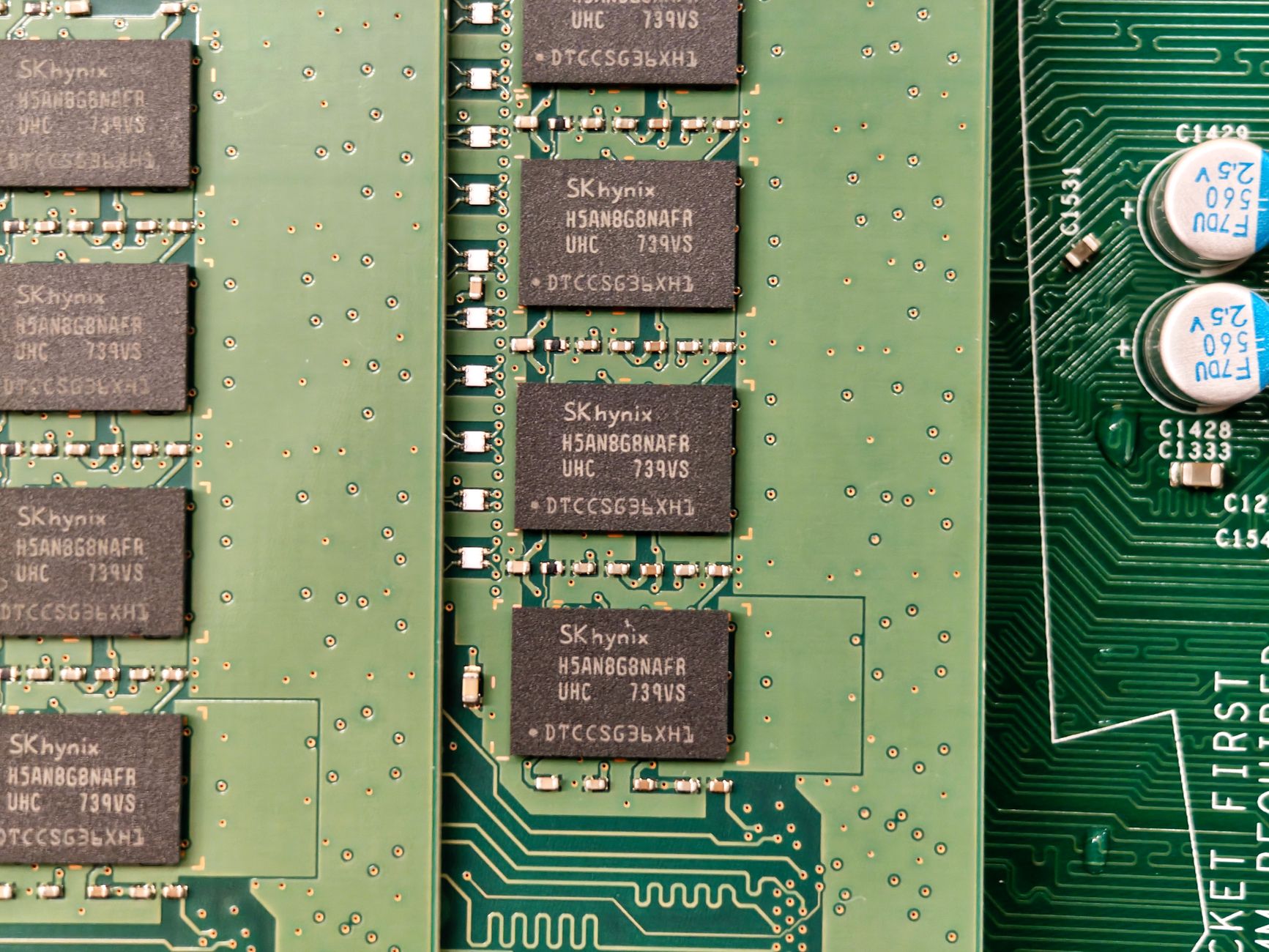
Indirect purchasers who bought DRAM or devices with DRAM at allegedly high prices can sue over memory chip costs. That group includes 14 U.S. consumers and three PC-assembly and distribution firms in the proposed class. HBM means high-bandwidth memory, fast chips built for AI work. On June 25, 2026, 17 plaintiffs filed Garciaguirre v.
Samsung Electronics, No. 5:26-cv-06345, in federal court in Northern California. TechTimes described the filing in its June 30 case report. Defendants are Samsung Electronics and Semiconductor, SK Hynix and SK Hynix America, and Micron Technology. TradingKey reports the three groups hold about 90% of global DRAM revenue.
Official resource:
- Read the official notice from Techtimes — Use this primary source to verify the official announcement.
Table of Contents
- What did the makers allegedly do?
- Who counts as an indirect buyer?
- What laws and payments are at stake?
- Can you file for money now?
What did the makers allegedly do?
The suit says makers cut output of DDR3 and DDR4, older memory types used in PCs, starting in 2022. Seoul Economic Daily reports they moved that capacity to higher-margin high-bandwidth memory for AI workloads in its July 1 technology report.
Plaintiffs say the squeeze lifted conventional DRAM prices about 700% over four years. Seoul Economic Daily reports the rise raised costs for PCs, tablets and other devices.
Who counts as an indirect buyer?
Indirect buyer means you bought finished products, not chips straight from the maker. Technology Org reports the proposed class includes 14 U.S. consumers and three PC firms such as JB Tech Solutions in its August 25 report.
Members bought DRAM itself or devices with DRAM at allegedly high prices. The filing points to these patterns: Direct deals with the makers are not part of this proposed group. Only buyers further down the chain fit the indirect-buyer claim.
- an individual consumer who bought DRAM or a device with DRAM
- a business that assembles or distributes PCs bought this way
- a purchase at a price allegedly raised by the supply cuts
What laws and payments are at stake?
LawNews reports plaintiffs bring a federal claim under Section 1 of the Sherman Act. That law bars deals that restrain trade, and they also cite state laws including California's Cartwright Act.
They seek class certification, triple damages for proven losses, a court order to stop the conduct, and a jury trial. LawNews reports those requests in its July 2026 coverage of the suit.
Can you file for money now?
The claims remain unproven and no liability has been found. IPWatchdog reports defendants sought dismissal on Sept. 2, 2026, with case management running toward early 2027, in its Oct.
6 report. You cannot file for payment yet. Keep receipts, order emails, and model numbers for PCs, tablets, or memory you bought. Watch the court docket for certification and any claims process.