

As of mid-March 2026, no direct class action lawsuit has been filed against President Trump specifically over his campaign promises to slash gas prices. But that does not mean the legal pressure is absent. A wave of related litigation — including over 2,000 tariff lawsuits, a multi-state attorney general coalition, and a new consumer class action filed by Costco shoppers — is building a legal framework that connects Trump administration policies to rising consumer costs, including fuel. The question is less whether Trump can be sued over gas prices and more whether the lawsuits already in motion will hold his administration accountable for the financial burden American drivers are feeling at the pump.
Gas prices have surged roughly 20 percent in two weeks, jumping from a national average of $3.21 per gallon on March 5 to $3.53 by March 12, 2026, according to AAA. That is a sharp reversal for a president who posted that prices would reach around $2 per gallon under his watch. With crude oil spiking to $119 per barrel after Iran closed the Strait of Hormuz, and 48 percent of Americans now blaming Trump for high gas prices according to an Axios poll, the intersection of broken promises, geopolitical fallout, and consumer harm is creating fertile ground for legal claims.
Table of Contents
- Can a President Be Sued Over Gas Price Promises?
- The Tariff Lawsuits That Could Set a Precedent for Consumer Claims
- How the U.S.-Iran Conflict Changed the Gas Price Equation
- What Consumers Can Actually Do Right Now
- The Fact-Check Problem and Why It Matters Legally
- California’s Unique Legal Battleground
- Where This Is Headed
- Frequently Asked Questions
Can a President Be Sued Over Gas Price Promises?
The short answer is that campaign promises, on their own, are not legally actionable. courts have long treated political pledges as aspirational statements rather than binding commitments. If a candidate says gas will hit $2 a gallon and it doesn’t, that broken promise alone does not give rise to a fraud claim or a class action lawsuit. The legal system distinguishes between commercial promises — where a company guarantees a product will perform a certain way — and political rhetoric, which is broadly protected under the First Amendment. However, the legal landscape shifts when specific government policies cause measurable economic harm to consumers. That is exactly what is happening with tariffs. Twenty-four state attorneys general, led by California and New York, have sued the Trump administration over tariffs that a Yale Lab study estimates cost the average American household roughly $1,000 per year.
The Supreme Court ruled Trump’s global tariffs illegal, yet billions were collected before they were struck down. The distinction matters: you cannot sue a president for saying gas would be cheap, but you may be able to sue the government when its policies demonstrably raise consumer prices. Trump’s own shifting rhetoric complicates his position. After initially touting falling gas prices during his first year in office, when prices dropped about 20 percent, he pivoted once they began rising. He posted that when oil prices go up, “we make a lot of money” because of U.S. energy dominance. That kind of messaging does not help his case in the court of public opinion, even if it carries no legal weight in an actual courtroom.
The Tariff Lawsuits That Could Set a Precedent for Consumer Claims
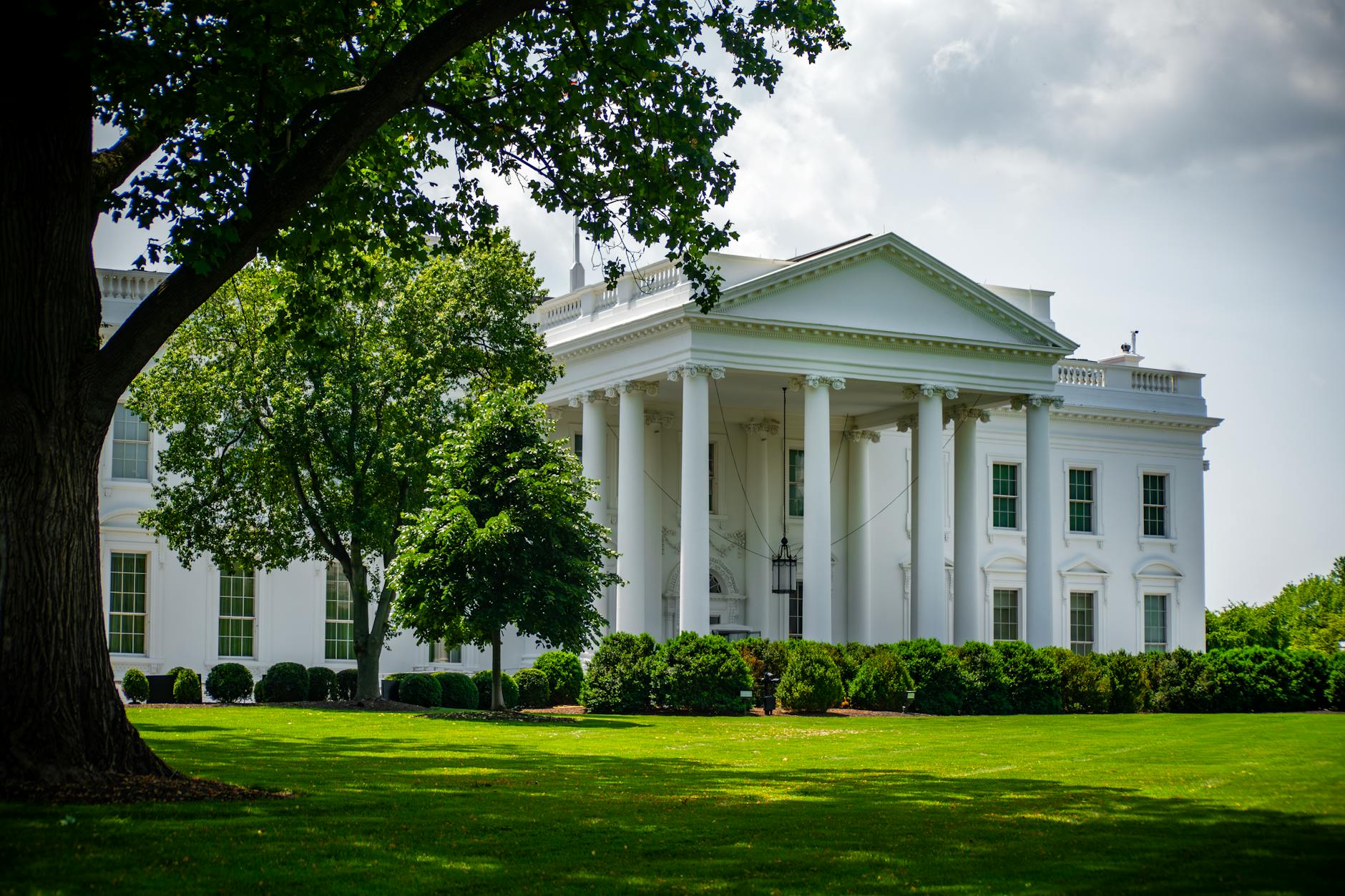
The most significant legal development connecting trump administration policy to consumer costs is the tariff litigation. Bloomberg reported on February 27, 2026, that Trump faces over 2,000 lawsuits following the Supreme Court’s ruling that his global tariffs imposed under the International Emergency Economic Powers Act were illegal. These are not hypothetical claims — they represent businesses and consumers who paid real money under policies the nation’s highest court deemed unlawful. On March 11, 2026, Costco customers filed a class action in Illinois federal court seeking refunds for higher prices they paid as a direct result of Trump’s IEEPA tariffs. This case is notable because it attempts to draw a straight line from executive policy to consumer checkout receipts.
If successful, it could open the door to similar claims tied to energy costs, particularly if tariffs on imported materials or equipment contributed to higher fuel production and distribution costs. However, there is an important limitation. Even if tariff lawsuits succeed, they would compensate consumers for tariff-related price increases — not for gas price spikes caused primarily by geopolitical events like the U.S.-Iran conflict. Courts will distinguish between price increases caused by illegal government action and those caused by global supply disruption. Consumers hoping for a broad gas price refund tied to Trump’s broken campaign promises are unlikely to find relief through this avenue alone.
How the U.S.-Iran Conflict Changed the Gas Price Equation
The primary driver behind the current gas price surge is not tariffs or domestic policy — it is the U.S.-Iran military conflict and the closure of the Strait of Hormuz, a narrow waterway through which roughly 20 percent of the world’s oil supply passes. When Iran shut it down, crude oil spiked to $119 per barrel on the West Texas Intermediate benchmark, the highest level since 2022. That spike rippled through every gas station in America within days. This is where the legal analysis gets complicated. A president’s decision to engage in military action is generally shielded by broad executive authority over foreign affairs and national security.
Suing a president for gas price increases caused by a military conflict faces enormous constitutional barriers. Courts are reluctant to second-guess national security decisions, and the political question doctrine often prevents judges from weighing in on matters they consider the domain of the elected branches. That said, a Chatham House analysis noted that U.S. energy prices were set to rise even before the Iran war due to broader policy decisions made by the Trump administration. If attorneys can demonstrate that a combination of tariffs, regulatory rollbacks, and foreign policy choices created a foreseeable cascade of energy cost increases, the legal argument becomes more detailed than simply blaming one military operation. California Governor Newsom made this point bluntly on March 10, 2026, when he blasted Trump for “raising gasoline prices on Americans with no plan and no accountability.”.

What Consumers Can Actually Do Right Now
For individual consumers feeling the pain of $3.53-per-gallon gas — or $5.34 in California — the practical options are limited but worth understanding. The Costco tariff lawsuit is one of the few active cases where everyday shoppers may eventually see refunds, but that case is in its earliest stages and could take years to resolve. Consumers who made purchases at Costco during the period when IEEPA tariffs were in effect should keep receipts and watch for updates on the case. The multi-state attorney general lawsuit is another avenue, though it targets tariffs broadly rather than gas prices specifically. If the 24-state coalition succeeds, any financial recovery would likely flow through state-level distribution rather than individual consumer payouts.
The tradeoff is scale versus speed: large government-led lawsuits can recover billions but take years and may result in policy changes rather than direct checks to consumers. Individual class actions like the Costco case move faster but have narrower scope. It is also worth noting that the Trump administration is exploring some measures to reduce fuel costs. The Washington Post reported on March 12, 2026, that Trump is considering Jones Act waivers, which would allow foreign-flagged ships to transport fuel between U.S. ports, potentially reducing domestic shipping costs. Whether this materializes into meaningful savings at the pump remains to be seen, but it signals at least some awareness within the administration that current prices are politically unsustainable.
The Fact-Check Problem and Why It Matters Legally
One underappreciated aspect of this story is Trump’s relationship with gas price data. During a visit to Iowa, Trump claimed gas was $1.85 per gallon. AAA clarified that the actual Iowa average was $2.36, and that Trump may have been citing E-85 ethanol prices at $1.92 — a different fuel entirely that most vehicles cannot use. This kind of factual discrepancy matters because it feeds into broader questions about whether administration claims about energy policy are reliable. From a legal standpoint, misleading public statements by a president do not create liability in the way a corporation’s false advertising might. But they do erode public trust and political capital.
The Axios poll showing 48 percent of Americans blame Trump for high gas prices — more than any other single factor — suggests that the gap between promises and reality is catching up with the administration. That public sentiment, while not a legal claim in itself, creates the political environment in which attorneys general feel empowered to file lawsuits and judges feel less reluctant to rule against the government. There is a warning here for consumers as well. In times of rising gas prices, scam settlement websites and fake class action notices tend to proliferate. If you see a claim form promising refunds for gas price overcharges tied to Trump’s policies, verify it through official court records or your state attorney general’s office before providing personal information. No legitimate class action over gas prices has been certified as of this writing.
California’s Unique Legal Battleground
California has emerged as the epicenter of gas-price-related legal conflict with the Trump administration. Beyond the multi-state tariff lawsuit, California filed a separate suit on February 18, 2026, challenging Trump’s decision to terminate $1.2 billion in energy and infrastructure programs. The state argues these cuts will raise energy costs for Californians who are already paying the nation’s highest gas prices at $5.34 per gallon.
In a move Governor Newsom’s office called ironic, the Trump administration sued California on March 12, 2026, over its vehicle emission standards — the same week gas prices were surging nationally. The collision of these lawsuits illustrates how gas prices have become a proxy battle in a much larger fight over energy policy, states’ rights, and federal authority. For California consumers specifically, the outcome of these cases could determine whether the state retains its ability to set stricter environmental standards or is forced to align with federal deregulation that may or may not lower prices.
Where This Is Headed
The legal trajectory suggests more litigation, not less. With over 2,000 tariff lawsuits already filed, the Costco class action gaining attention, and nearly half the nation’s attorneys general aligned against Trump’s trade policies, the legal infrastructure for consumer claims is expanding. If gas prices remain elevated through the summer driving season — as most analysts expect given the ongoing Iran situation — political pressure for accountability will only intensify.
The more interesting question is whether any of these legal actions will produce direct consumer relief. The Supreme Court’s ruling against Trump’s tariffs was a landmark, but collecting refunds on tariffs already paid is a massive logistical challenge. The Costco case could become a template if the court certifies the class and establishes that consumers have standing to recover tariff-related overcharges. For now, though, the strongest consumer protection remains at the state level, where attorneys general have both the legal authority and the political motivation to challenge federal policies that raise costs for their constituents.
Frequently Asked Questions
Has anyone filed a class action lawsuit against Trump specifically over gas prices?
No. As of March 2026, no class action has been filed specifically over Trump’s gas price promises. However, related lawsuits — including the Costco tariff class action and multi-state attorney general suits — address rising consumer costs tied to administration policies.
Why are gas prices rising so fast in March 2026?
The primary driver is the U.S.-Iran military conflict and Iran’s closure of the Strait of Hormuz, which sent crude oil to $119 per barrel. Secondary factors include tariffs that were ruled illegal by the Supreme Court but had already raised prices across the economy.
Can I get a refund for higher prices I paid because of Trump’s tariffs?
Potentially. Costco customers filed a class action on March 11, 2026, seeking refunds for tariff-related price increases. If certified, similar cases could follow. The 24 state attorneys general suing over tariffs may also produce consumer relief, though the timeline is uncertain.
How much are Trump’s tariffs costing the average family?
A Yale Lab study estimates Trump’s tariffs cost the average American household approximately $1,000 per year in higher prices across goods and services.
What is the Jones Act waiver Trump is considering, and will it lower gas prices?
The Jones Act requires goods shipped between U.S. ports to travel on American-built, American-crewed ships, which is expensive. A waiver would allow cheaper foreign vessels to transport fuel domestically, potentially reducing distribution costs. Whether the savings would meaningfully reach consumers at the pump is unclear.
Did Trump really say gas was $1.85 in Iowa?
Yes. AAA clarified the actual Iowa average was $2.36 per gallon and that Trump may have been referencing E-85 ethanol prices at $1.92, which is a different fuel that most standard vehicles cannot use.
You Might Also Like
- Could Trump Face Legal Challenges Over Gas Prices After War
- Could Trump Face Economic Damage Claims
- Could Trump Face Legal Action Over Gas Price Spike