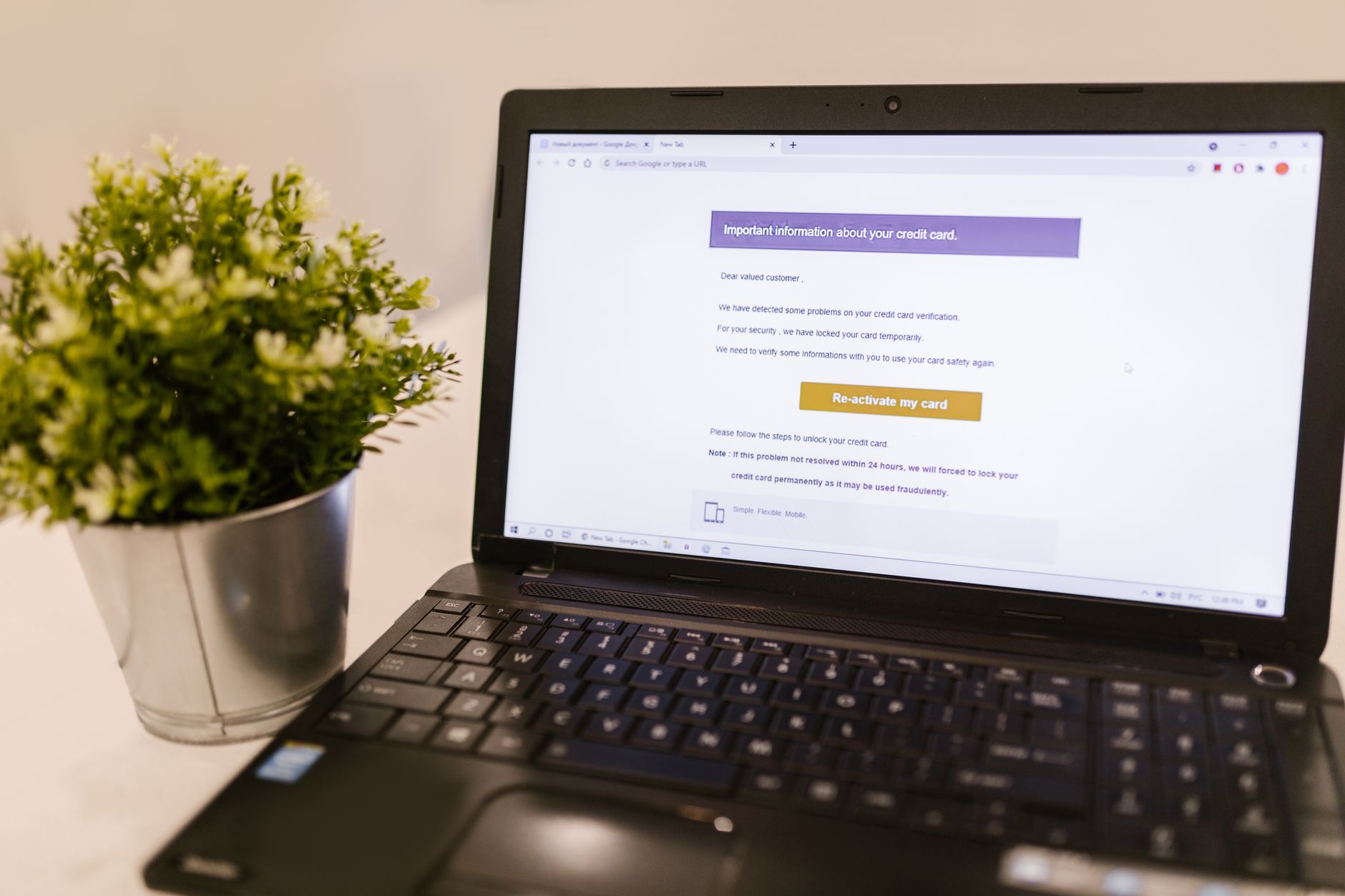
If you’ve been charged for a Costco membership renewal you didn’t authorize, you may be eligible to review a class action claim related to automatic renewal practices. Class actions addressing membership auto-renewal typically allow members to submit claims documenting their unauthorized charges, though the specific process and eligibility requirements depend on the settlement agreement itself. To review your options, you’ll need to locate the settlement administrator’s website, verify you meet the claim requirements (usually requiring proof of an unauthorized charge during the claim period), and submit documentation before any claim deadline.
Costco membership auto-renewal disputes have centered on whether members received clear notice and an active consent mechanism before their memberships renewed. Unlike some retailers where auto-renewal happens in silence, Costco typically sends email renewal notices, but disputes have focused on whether these notices provided sufficiently prominent cancellation options or whether members encountered unexpected charges. If you received a charge you don’t remember authorizing, reviewing the specific settlement’s requirements is your first step.
Table of Contents
- What Are Auto-Renewal Class Actions and Who Can File?
- How Costco Membership Auto-Renewal Works and Dispute Origins
- Common Complaints and Real-World Dispute Scenarios
- Steps to Review and Submit Your Claim
- Potential Issues, Eligibility Limitations, and Claim Complications
- Documentation You’ll Need and How to Gather It
- Verifying Settlement Status and Avoiding Scams
What Are Auto-Renewal Class Actions and Who Can File?
Auto-renewal class actions arise when companies allegedly fail to meet federal and state requirements around membership renewals. The Restore online Shoppers Confidence Act (ROSCA) and similar state laws generally require clear, conspicuous disclosure of material terms before charging a customer and an affirmative consent mechanism. If a settlement has been reached in a costco membership case, it typically creates a claims process for members who can demonstrate they paid for a renewal they didn’t actively request.
Eligibility requirements vary by settlement but commonly require that you held a Costco membership during the relevant period, received a charge you dispute, and can provide documentation. Some settlements require proof that you attempted to cancel and were charged anyway; others cover members who claim they never agreed to auto-renewal at all. Settlement notices—usually distributed by mail or email—outline the specific class period, who qualifies, and what documentation you need to submit. If you’re unsure whether a specific settlement applies to you, check the settlement administrator’s website listed in any notice you received.
How Costco Membership Auto-Renewal Works and Dispute Origins
Costco offers both annual ($65 for Gold Star membership at the time of this writing, though prices change) and two-year renewal options that renew automatically unless members actively cancel. The mechanism itself is disclosed in membership terms, but disputes have arisen over whether members clearly understood they were opting into auto-renewal or whether the cancellation process was sufficiently easy to find and execute. A member who signed up online, for instance, might later dispute whether the terms were presented clearly enough at checkout, or whether canceling later required an unnecessary phone call rather than a simple online process.
One common friction point: members who assume their membership expires after the term ends without realizing automatic renewal is the default. A member might purchase a one-year Gold Star membership, receive a single renewal notice by email, but fail to cancel before the charge posts—then discover weeks later that $65 (or the current rate) has been deducted. The company’s position is typically that members agreed to auto-renewal in writing; the class action argument is that the notice and consent process violated applicable law. Settlements in these cases usually acknowledge both the company’s conduct and establish a process for affected members to claim refunds without the company admitting wrongdoing.
Common Complaints and Real-World Dispute Scenarios
Members involved in auto-renewal disputes often report one of several scenarios. The first is the “silent renewal”: a member receives an email renewal notice but doesn’t read it carefully or misses it in spam, and the renewal charge appears on their credit card. The second is the “unclear cancellation process”: a member tries to cancel online but can’t find a cancel button, assumes they must call, and then gets charged.
A third scenario involves members who claim they never consented to auto-renewal in the first place—they bought a gift membership or were added to a family account and later disputed the charge. Other members report that they cancelled their membership but received one final renewal charge, or that they cancelled after the “no-refund” window closed but still expected no further charges. These disputes highlight why class actions form: individual refunds are often small (under $100), making individual litigation impractical, but aggregated claims can total hundreds of thousands or millions. A settlement might reimburse members $50–$150 each, depending on the scope and fund size, plus administrative costs.
Steps to Review and Submit Your Claim
To review your options, start by confirming whether a settlement applies to you. Check any notice you received in the mail or email for the settlement administrator’s website and claim deadline—these typically range from 60 to 180 days after the notice is mailed. If you received no notice but believe you qualify, search online for “Costco membership auto-renewal class action settlement” with the current year to locate active settlements and their claim details.
Once you’ve found the relevant settlement, gather the documentation you’ll need: your Costco membership number (visible on your card or account), a statement or receipt showing the disputed auto-renewal charge, and any correspondence with Costco about cancellation if applicable. Most claim forms are submitted online through the settlement administrator’s website, though some settlements also accept mail or email submission. You’ll be asked to describe the charge, explain why you believe it was unauthorized or improper, and upload or attach supporting documents. Some settlements require you to declare under penalty of perjury that your claim is accurate; others ask for supporting evidence only if you’re audited post-submission.
Potential Issues, Eligibility Limitations, and Claim Complications
Not all disputed charges qualify for a settlement claim. If you cancelled your membership before the renewal date and were still charged, you likely have a stronger claim than if the charge posted but you simply preferred not to pay. Similarly, if you dispute that you ever consented to auto-renewal, you’ll need evidence—such as screenshots of your account, communications with Costco, or testimony that you didn’t authorize it. Some settlements exclude members who already received refunds directly from Costco, or members who filed separate lawsuits.
A critical limitation: many settlements are subject to claims administration and review, meaning not all submitted claims are automatically approved. If your claim is audited—selected for verification—you may be asked to provide additional documentation or respond to questions from the claims administrator. If your claim is denied, you typically have the right to object or appeal, but the settlement agreement will specify the process and any deadline. Additionally, if the settlement fund (the total money available for claims) is oversubscribed—more valid claims than anticipated—you might receive a pro-rata payment (a percentage of your claimed amount) rather than the full amount you requested.
Documentation You’ll Need and How to Gather It
Most settlements require three key pieces of evidence: proof of membership (your membership number), proof of the charge (a credit card or bank statement showing the date and amount), and proof of when the charge occurred relative to the claim period. If the settlement requires proof that you attempted to cancel, save any emails, chat transcripts, or call confirmations from Costco. Screenshots of your Costco account dashboard showing your membership status (active, cancelled, expired) can also strengthen your claim.
If you don’t have the exact statement anymore, check your credit card issuer’s online portal or request a statement copy going back 12–24 months. Many credit card companies allow you to download or print statements for several years. For members who paid via Costco’s own payment method or gift card, your Costco account under “Order History” or “Purchases” may show the charge. Keep all documentation together—either scanned as PDFs or photographed clearly—before you submit your claim, since upload quality matters for verification if your claim is audited.
Verifying Settlement Status and Avoiding Scams
Before submitting any claim, verify that the settlement is legitimate by checking the settlement administrator’s official website, not a third-party claims assistance site. Settlement administrators have domains ending in `.com` or `.org` and are listed in court documents; they don’t charge fees to claimants. If a website asks you to pay a fee to file a claim or guarantees approval, it’s likely a scam.
The official settlement notice will provide a toll-free number and website address you can trust. If you’re unsure whether an active Costco membership settlement exists, you can check the U.S. Court’s PACER system (Public Access to Court Electronic Records) for pending class actions, or call Costco’s Member Services to ask whether they’re aware of a settlement affecting your account. Some members also contact the settlement administrator directly with questions before submitting; they are required by law to respond accurately to member inquiries.
Sources
- Costco Membership Auto-Renewal Class Action Lawsuit — lawsuit tracker entry, with the filings and the current posture, from our sister site OpenClassActions.com.
You Might Also Like
- LinkedIn Advertising Privacy Class Action Claims: How LinkedIn Members Can Review Their Options
- X Twitter Data Sharing Class Action Claims: How Account Holders Can Review Their Options
- Walmart Receipt Pricing Class Action Claims: How Shoppers Can Review Their Options