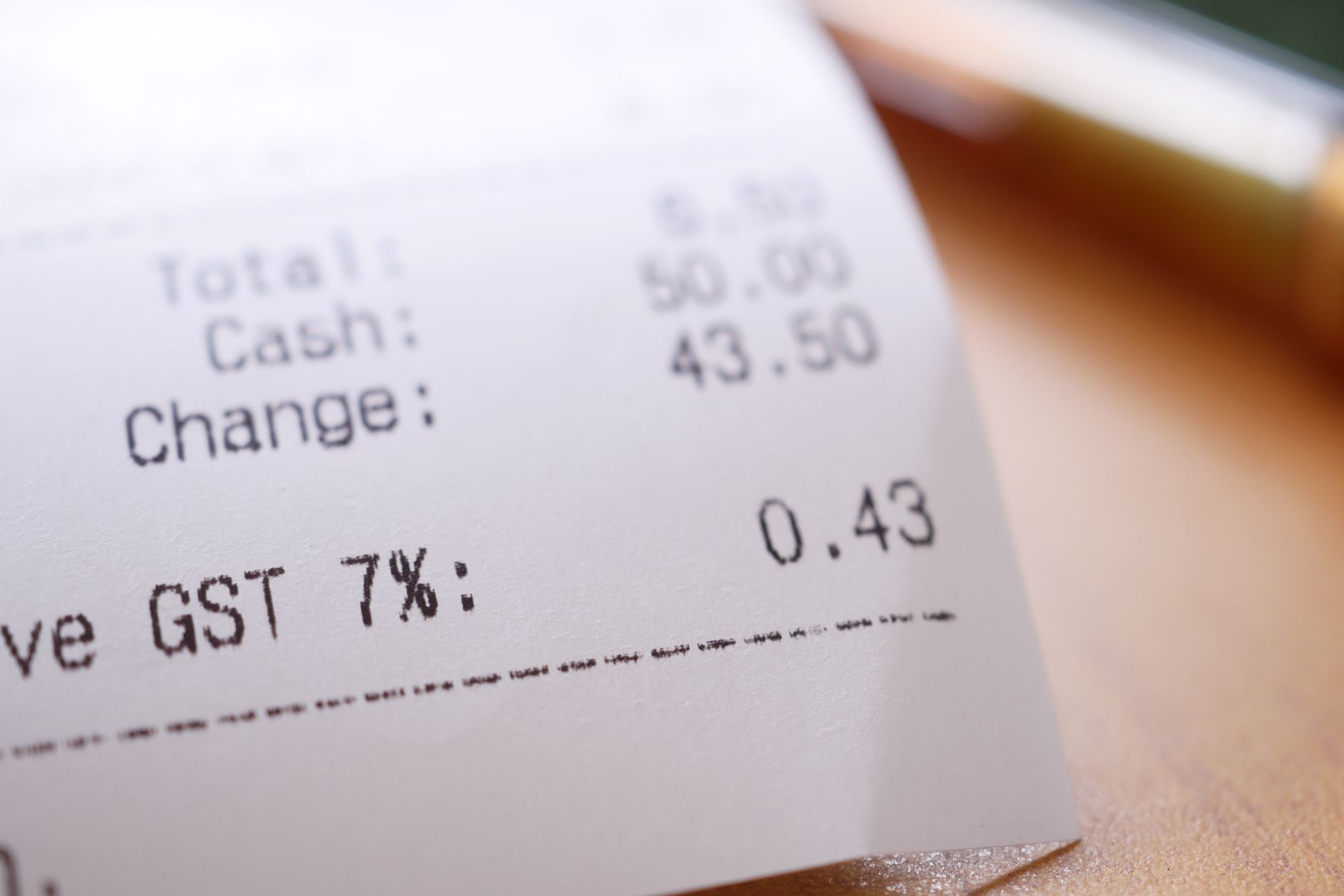
If you purchased meat, poultry, seafood, or bagged citrus from Walmart between October 2018 and January 2024, you likely had an option to claim money from a $45 million settlement—but that option has expired. The claim deadline of June 5, 2024 has passed, and no new claims are accepted. However, if you filed a claim before that date, you can track whether your payment has been distributed or is still pending.
Separately, an ongoing lawsuit in federal court is challenging Walmart’s shelf pricing practices, though that case has not yet resulted in a settlement. Shoppers seeking compensation from Walmart receipt pricing matters face two very different paths forward: one is a closed settlement still distributing payments to those who filed in time, and the other is active litigation with no settlement offer yet. Understanding which situation applies to you—and what concrete steps you can take—requires knowing the specific details of each case.
Table of Contents
- What Was the Walmart Receipt Pricing Class Action About?
- The Weighted Goods Settlement: Payment Details and Current Status
- The Ongoing Shelf Pricing Lawsuit: Kahn v. Walmart
- How to Check Your Claim Status and Retrieve Payments
- What If You Missed the June 2024 Deadline?
- California and New Jersey State Pricing Settlements
- What Shelf Pricing Disputes Mean for Receipt Shoppers
What Was the Walmart Receipt Pricing Class Action About?
The settled case involved weighted goods sold at walmart stores across the nation. Customers alleged that the scale price printed on the package at the register did not match the price displayed on the shelf. In a typical example, a package of salmon might be marked $12.99 per pound on the shelf label, but when weighed at checkout, the per-pound price charged to the customer would be significantly higher. The case alleged this pattern occurred on meat, poultry, pork, seafood, and bagged citrus items across 4,615 U.S.
Walmart stores and Puerto Rico locations during a five-year window. The settlement did not require Walmart to admit wrongdoing—Walmart denied all allegations. However, the company agreed to distribute $45 million to resolve claims. The settlement covered only customers who made purchases between October 19, 2018 and January 19, 2024. Shoppers who made eligible purchases but never filed a claim cannot claim money now.
The Weighted Goods Settlement: Payment Details and Current Status
The settlement structure offered two paths to file claims. Customers with a receipt could submit proof of purchase and claim 2% of the substantiated purchase price, with a maximum claim of $500 per receipt. A customer who bought a $50 package of shrimp, for example, could claim $1. A customer who bought $800 worth of eligible items across multiple receipts could claim up to $500 total. Customers without receipts could claim a flat amount based on the number of items purchased: $10 for 1–50 items, $15 for 51–75 items, $20 for 76–100 items, and $25 for 101 or more items. By November 2025, an average payout of approximately $25.97 per claimant had been distributed to those who submitted claims.
Payments were issued in late 2025 through digital transfers and checks. The settlement administrator then began a second distribution phase for failed digital payments and returned checks, with final payments expected to continue into early 2026. If you filed a claim, your payment may still be in queue, particularly if your check was returned or your direct deposit failed initially. To track your payment status, you must visit the official settlement website at walmartweightedgroceriessettlement.com. The site allows claim filers to enter their claim number and check the distribution status. Be aware that payments may be delayed or returned if banking information was incorrect. If you received a returned check, the settlement website should provide instructions for updating your mailing address or payment method.
The Ongoing Shelf Pricing Lawsuit: Kahn v. Walmart
Separate from the weighted goods settlement, an active class action lawsuit is proceeding in federal court. Filed in August 2022 by an Ohio shopper named Yoram Kahn, the case alleges that Walmart systematically placed shelf prices that were 10–15% lower than the actual checkout price—a “bait-and-switch” pricing scheme. Kahn’s complaint cited specific examples: salsa marked $2.00 on the shelf but charged $2.28 at the register. This pattern allegedly occurred across categories, exploiting the reasonable consumer expectation that shelf prices match register prices.
The case survived a critical hurdle in July 2024 when the Seventh Circuit Court of Appeals in Chicago reversed a district court dismissal and sent the case back for trial. The appellate court rejected Walmart’s argument that providing receipts at checkout negated any deception from inaccurate shelf prices. The judges applied a “behavioral approach,” reasoning that consumers reasonably rely on shelf prices and are not choosing to buy based solely on what they see at the register. This ruling means the case will continue toward trial in district court, potentially leading to a settlement negotiation or verdict.
- *Warning:** This case has not yet settled. There is no settlement fund currently available, and no claim deadline. Participation will only become an option if and when a settlement is approved. Shoppers should not expect immediate compensation from this ongoing litigation.
How to Check Your Claim Status and Retrieve Payments
If you filed a claim in the weighted goods settlement before the June 5, 2024 deadline, take these steps to check payment status. Visit walmartweightedgroceriessettlement.com and look for the claim status tool or payment tracker. You will need your claim number, which should have been provided in confirmation correspondence when you filed. Enter this information to see whether your payment was distributed, when it was sent, and the amount.
If you received a check in late 2025 that was returned as undeliverable or uncashed, contact the settlement administrator through the official website. Provide your updated address or banking information. The second distribution phase is currently attempting to reach claimants with failed payments. If you filed by mail and are unsure whether your claim was received, the website will show the status as either “claim received,” “claim approved,” “payment issued,” or “payment pending.” Digital payment failures may show a status like “payment unsuccessful—resubmit payment method.” Do not assume a claim was rejected if you simply haven’t heard from the settlement administrator; check the website directly.
What If You Missed the June 2024 Deadline?
If you made eligible purchases between October 19, 2018 and January 19, 2024 but did not file a claim by June 5, 2024, you cannot participate in the weighted goods settlement. The deadline was firm, and no extensions or late claims are accepted. This applies regardless of whether you have receipts or remember the specific purchases—once the claims period closes, the settlement administrator no longer processes new claims. However, this does not mean you have no options. The ongoing Kahn v.
Walmart shelf pricing lawsuit may eventually result in a settlement or judgment. If that case succeeds, a new settlement fund may be created with a new claims process. You would then have an opportunity to file in that settlement if it is approved. Additionally, if Walmart’s pricing practices continue in your state, your state attorney general or consumer protection agency may investigate and negotiate a settlement—as California and New Jersey have done. State-level settlements often have separate deadlines and may accept new claims even after federal settlements close.
California and New Jersey State Pricing Settlements
Beyond the federal weighted goods settlement, states have independently pursued Walmart for pricing violations. In August 2025, Walmart agreed to pay $5.6 million to settle claims with the Santa Clara County District Attorney and other California officials. The investigation found overcharging violations in California Walmart stores. While this settlement does not operate through a public claims process like the federal settlement, California consumers who purchased affected items may receive compensation through attorney general enforcement.
New Jersey pursued a similar investigation, inspecting 64 Walmart locations in late 2024 and 2025. Inspectors found over 2,000 instances of pricing inconsistencies between shelf labels and register prices. In response, Walmart agreed to pay $1.64 million to New Jersey. These state settlements indicate that the pattern of receipt pricing disputes is not isolated to the federal class action. They also demonstrate that state regulators continue to monitor Walmart’s pricing practices.
What Shelf Pricing Disputes Mean for Receipt Shoppers
The disputes documented in settlement cases reveal a pattern: store-level price mismatches between where price information is displayed and what customers are charged. In one documented case from the Kahn litigation, a shopper picked up a jar of salsa from a shelf marked $2.00, placed it in their cart, and was charged $2.28 at the register. The 14% difference reflected a price change that was not reflected on the shelf label. Similar patterns emerged across meat and produce departments where per-pound prices are set at the scale rather than displayed centrally on the shelf.
These disputes matter because shelf prices are the primary decision point for most shoppers. When a shopper places an item in their cart based on the shelf price, they are committing to a purchase—the register is typically where the final surprise occurs. Courts have increasingly recognized that consumers reasonably rely on shelf prices, not just on the ability to challenge the charge after swiping their card. This reasoning is what allowed the Kahn case to proceed to trial despite Walmart’s argument that receipts provide an adequate remedy. Understanding this context helps shoppers evaluate their own experiences: if you consistently noticed price differences at Walmart checkout compared to shelf labels during the 2018–2024 period, you may have had a valid claim under the settlement, though the deadline to file has passed.
- —
You Might Also Like
- X Twitter Data Sharing Class Action Claims: How Account Holders Can Review Their Options
- Walmart Receipt Pricing Class Action Claims Shoppers May Have Claims to Review
- TikTok Children Privacy Class Action Claims: How Parents and Young Users Can Review Their Options