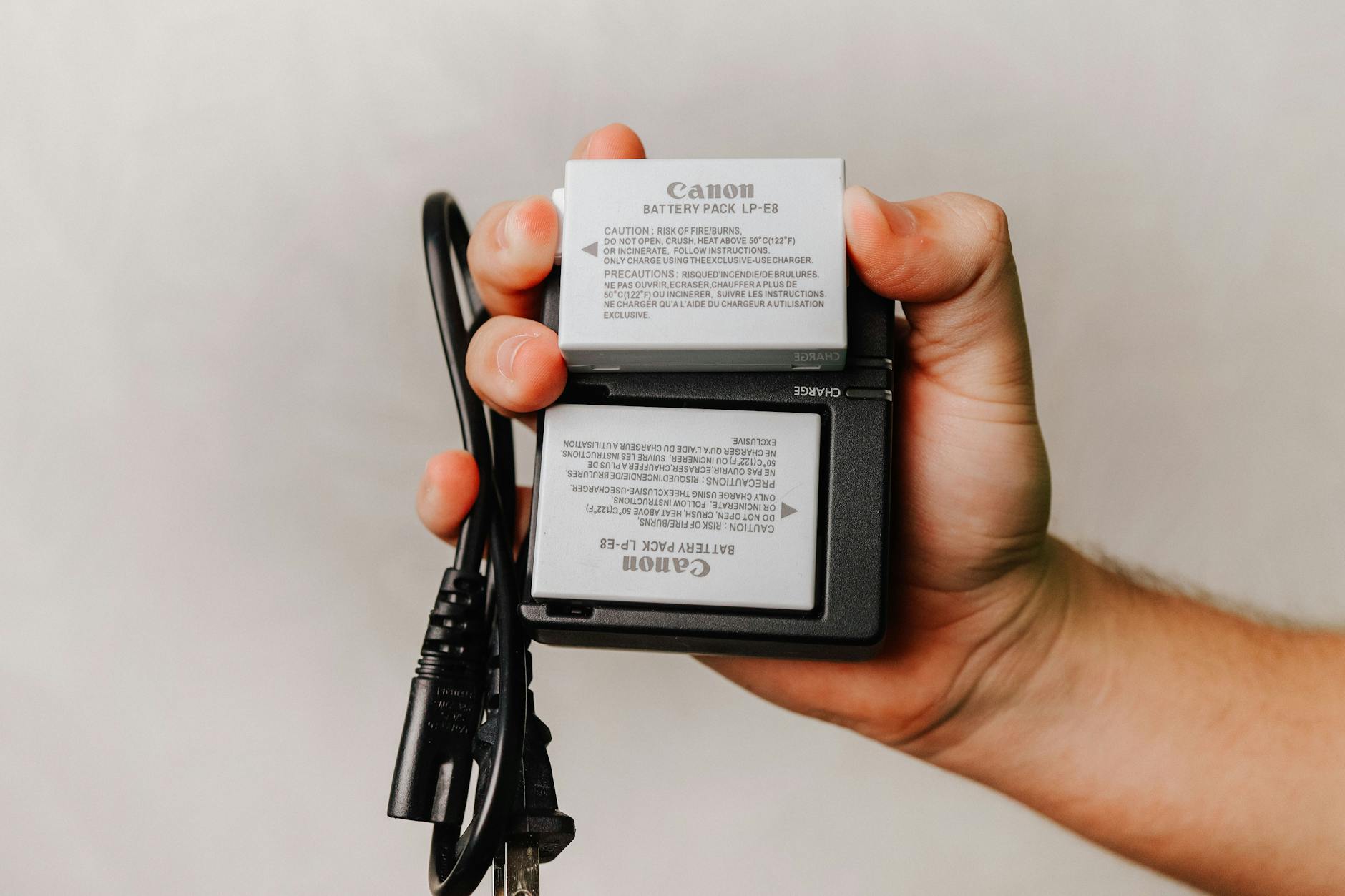
Yes, there is an Arlo camera battery defect class action. Arlo Technologies has faced multiple legal challenges related to battery problems in its security cameras, including a $1.25 million securities settlement and an ongoing consumer product investigation. The company disclosed in its IPO registration statement that its Arlo Ultra wire-free security cameras suffered from quality issues with batteries, including battery drain problems and product launch delays—issues the company initially failed to disclose adequately to investors.
If you purchased an Arlo camera and experienced premature battery drain or learned about these quality issues, you may be eligible for compensation through existing settlements or pending investigations. The litigation stems from two main sources: a securities class action involving investors who purchased Arlo stock, and an active consumer investigation into Arlo Essential 2nd Generation outdoor cameras that are experiencing rapid battery drain. The securities settlement addresses claims that Arlo misled shareholders about the company’s product quality and innovation capabilities before going public. Meanwhile, consumers who bought affected Arlo cameras directly may have separate rights to pursue claims for defective products.
Table of Contents
- Why Did Arlo Cameras Have Battery Problems?
- The Securities Settlement and What It Means for Investors
- The Active Consumer Investigation into Arlo Essential Cameras
- How to Determine If You Have an Affected Arlo Camera
- The Hidden Costs of Defective Security Camera Batteries
- What Companies Like Arlo Knew About These Defects
- What’s Next for Arlo Camera Owners
Why Did Arlo Cameras Have Battery Problems?
Arlo’s battery defects were not a simple manufacturing error or a minor flaw—they represented a systemic quality issue that the company knew about before its public offering. The Arlo Ultra wire-free security camera system, in particular, suffered from battery drain problems that occurred faster than customers expected. These batteries were supposed to power the cameras for months, yet owners reported their devices losing power in weeks or even days of normal use. The company’s own pre-IPO documentation showed quality concerns with these batteries, yet this information was not adequately disclosed to potential investors in the IPO registration statement.
The root cause appears to have involved both hardware and software issues affecting power consumption. Battery drain problems in wireless security cameras can stem from several factors: constant Wi-Fi connectivity checking, frequent cloud uploads, or defective battery cells themselves. In Arlo’s case, the company’s failure to address these issues before launch meant early customers became beta testers for a product that wasn’t ready for market. Some owners of Arlo Ultra cameras reported having to replace batteries monthly, turning what should have been a low-maintenance security solution into a constant inconvenience.
The Securities Settlement and What It Means for Investors
The $1.25 million securities settlement represents compensation for investors who purchased Arlo Technologies stock during the IPO period and subsequently suffered losses when the company’s battery and quality issues became public knowledge. This settlement addresses core allegations that Arlo’s IPO registration statement contained materially false or misleading statements regarding the company’s ability to innovate and deliver reliable products. In securities class actions, investors typically can recover compensation if they bought stock at inflated prices based on false or misleading information, then watched the stock price decline when the truth emerged.
Securities settlements like this one usually allocate proposed attorneys’ fees of up to 25% of the settlement fund, which in Arlo’s case would mean up to $312,500 going to the lawyers handling the case. Individual investor recoveries depend on how many eligible shareholders file claims and the exact timing of their purchases. If you purchased Arlo stock directly during the IPO period (the company went public in 2018 on the NYSE under ticker “ARLO”), you may have been eligible to claim a share of this settlement, though the window for filing claims has specific deadlines. It’s important to note that this settlement is separate from any consumer product claims—they are two distinct legal tracks.
The Active Consumer Investigation into Arlo Essential Cameras
Beyond the securities settlement, there is an ongoing investigation into Arlo Essential 2nd Generation outdoor cameras regarding battery drain occurring too quickly. This investigation, active as of March 2025, targets the consumer product directly rather than the company’s securities disclosures. The distinction is significant: if you purchased an Arlo Essential 2nd Generation outdoor camera that failed to hold a charge properly, you may have a claim in this consumer investigation separate from the investor settlement. This investigation is still active, meaning claims may still be accumulating and no settlement amount has been finalized.
Consumer product investigations like this typically proceed toward settlement once sufficient evidence of widespread defects is gathered. Unlike securities settlements, which are about investor fraud, consumer product settlements compensate actual buyers of defective merchandise. If the investigation concludes with a settlement, affected consumers could recover their purchase price, replacement costs, or other damages depending on the terms negotiated. The battery drain problem in these cameras appears to be a genuine design or manufacturing flaw that makes the product fail to perform as advertised, rather than a disclosure issue. Owners report batteries depleting far faster than the manufacturer’s stated runtime specifications.

How to Determine If You Have an Affected Arlo Camera
First, identify which Arlo camera model you own. The main models involved in litigation are the Arlo Ultra (in the securities settlement) and the Arlo Essential 2nd Generation outdoor model (in the active consumer investigation). Check your camera’s documentation or the Arlo app to confirm your exact model and generation. If you own an Arlo Ultra purchased before 2019, or an Arlo Essential 2nd Generation outdoor camera purchased more recently, you may be affected. The critical question is whether your batteries drained abnormally fast—significantly faster than the manufacturer’s rated runtime.
To assess whether your battery experience was abnormal, compare your actual battery life against Arlo’s official specifications. Arlo’s marketing materials typically claim several months of battery life per charge, but affected owners reported draining batteries in days or weeks under normal usage. Keep documentation of your purchase date, camera model, purchase price, and any battery replacement purchases you made. If you have records showing you contacted Arlo support about battery issues, screenshots of battery drain patterns from the Arlo app, or receipts for replacement batteries, gather all of these. This documentation will be crucial if you decide to file a claim in either the securities settlement or the consumer investigation.
The Hidden Costs of Defective Security Camera Batteries
Beyond the initial purchase price, defective Arlo camera batteries carry hidden costs that consumers often don’t anticipate. Owners of affected cameras found themselves buying replacement batteries repeatedly, sometimes spending $30-50 per battery every few months. Over a year or two of ownership, these replacement costs can exceed the original camera price itself. Additionally, a security camera that constantly loses power is no security camera at all—it fails to record when you need it most.
If your camera went dead without power while a break-in occurred, you lost the critical footage that could have led to recovering stolen items or identifying the criminal. There’s also the frustration and time investment involved in constantly troubleshooting a faulty product. Consumers spent hours on Arlo’s support forums describing their battery issues, updating firmware hoping for fixes that never came, and experimenting with power-saving settings that sometimes helped temporarily but never solved the underlying problem. One limitation of relying on self-service support forums is that they often discourage formal complaints—companies monitor these discussions and may suppress widespread problem reports to avoid regulatory attention. This means the actual scope of the battery defect problem may be larger than what Arlo has officially acknowledged.

What Companies Like Arlo Knew About These Defects
Internal documents revealed during litigation show that Arlo’s leadership was aware of battery quality issues before the company’s IPO. The company had documented quality problems with the Arlo Ultra’s battery performance, yet these specific concerns were not adequately disclosed to potential IPO investors. This is the essence of securities fraud—when a company goes public, it must tell investors about material risks and known problems.
By omitting detailed information about battery defects in the IPO registration statement, Arlo allowed investors to buy stock based on incomplete information. The pre-IPO battery problems became public through various channels after customers began complaining about the product failing to meet specifications. Arlo eventually issued firmware updates and battery replacement programs trying to manage the damage, but these measures came after investors had already purchased stock at prices based on misrepresentations about product quality. This illustrates a common pattern: companies sometimes prioritize timing public offerings over ensuring products are actually ready for market.
What’s Next for Arlo Camera Owners
The securities settlement has been reached and finalized, but the consumer product investigation into Arlo Essential 2nd Generation cameras remains ongoing as of early 2026. This means if you own an affected Essential model, the investigation may still be accepting information about your experience with battery drain. Settlement negotiations or litigation could continue for months or years, with outcomes ranging from a negotiated settlement to continued legal disputes. If you have claims in either the securities context (as an investor) or the consumer context (as a camera owner), understanding the status of each investigation is essential for protecting your rights.
Consumer expectations for smart home security devices have evolved since Arlo’s early battery problems. Modern security cameras are increasingly incorporating better battery management, solar charging options, and wired alternatives. Arlo itself has worked to improve its products through software updates and better hardware design in newer generations. However, this history illustrates why consumers should research product reviews and check for active investigations or settlements before purchasing smart home security equipment. If you invested in or purchased an Arlo camera and experienced issues, investigating your eligibility for compensation costs nothing—the potential recovery could cover your losses.
You Might Also Like
- Dyson Vacuum Cleaner Battery Defect Class Action
- iRobot Roomba Privacy Camera Class Action
- Whirlpool Front-Load Washer Mold Defect Class Action
Open Settlements You Can Claim Now
Browse current class action settlements accepting claims — several require no proof of purchase: