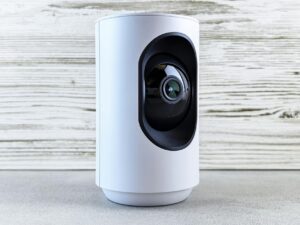

While SimpliSafe home security systems have experienced documented security vulnerabilities over the years, there is currently no active or settled class action lawsuit specifically targeting these security flaws. In 2016, security researchers at IOActive discovered that SimpliSafe systems transmitted unencrypted radio frequency signals, potentially allowing attackers to compromise systems through replay attacks and signal jamming. Despite these serious technical vulnerabilities being publicly documented and acknowledged by SimpliSafe, affected consumers have been unable to pursue collective legal action due to mandatory arbitration clauses embedded in the company’s user agreements.
The lack of a security vulnerability class action represents a significant limitation in consumer protection for SimpliSafe users who experienced system compromises. While SimpliSafe released firmware updates in 2018 to encrypt all signals and address the known vulnerabilities, the arbitration requirement means individual customers must pursue claims through private arbitration rather than through class action lawsuits. This structural barrier has left many consumers without an accessible legal remedy for security issues that could have exposed their homes to break-ins.
Table of Contents
- What Security Vulnerabilities Have Been Discovered in SimpliSafe Systems?
- Why Hasn’t a Class Action Been Filed for SimpliSafe Security Vulnerabilities?
- What About the Schlueter-Beckner SimpliSafe Lawsuit?
- How Have SimpliSafe’s Firmware Updates Addressed These Vulnerabilities?
- What Are the Ongoing Security Concerns with SimpliSafe?
- What Options Do SimpliSafe Customers Have for Legal Recourse?
- What Does This Mean for Home Security Consumers Going Forward?
- Conclusion
What Security Vulnerabilities Have Been Discovered in SimpliSafe Systems?
SimpliSafe has faced multiple documented security vulnerabilities that have received significant public attention. The most notable was the 2016 RF signal vulnerability discovered by IOActive researchers, which exposed a fundamental flaw in how SimpliSafe systems communicated with sensors and control panels. The unencrypted signals transmitted at 433 MHz could be intercepted and replayed by attackers, essentially allowing someone with basic RF equipment to trick the system into thinking doors and windows were secure when they weren’t.
Security researchers later demonstrated that for as little as $2-5, anyone could purchase RF signal emitters capable of jamming SimpliSafe systems entirely, as documented in videos and technical analyses published on platforms like Hackaday. These vulnerabilities raise serious questions about the adequacy of SimpliSafe’s security testing before and after release. The company’s public acknowledgment and firmware updates came years after the initial vulnerability disclosure, leaving customers who purchased systems during that window with unencrypted and vulnerable equipment. Multiple CVEs (Common Vulnerabilities and Exposures) exist for SimpliSafe products in the OpenCVE database, though notably none have spawned successful class action litigation despite affecting potentially hundreds of thousands of users.

Why Hasn’t a Class Action Been Filed for SimpliSafe Security Vulnerabilities?
The primary reason no class action exists for SimpliSafe security vulnerabilities is the company’s use of mandatory arbitration clauses in user agreements. These clauses require customers to resolve disputes through individual arbitration rather than through class action lawsuits, effectively eliminating the legal mechanism through which large groups of affected customers could seek compensation. This is a common practice in the technology and security industry, but it creates a significant gap in consumer protection when systemic security issues affect large customer bases.
Without the ability to pursue class actions, individual SimpliSafe customers must either pursue arbitration claims alone—which is expensive and often impractical—or simply accept the security vulnerabilities as part of their service. This structural barrier means that even when security flaws are definitively proven and publicly documented, the legal system provides limited recourse for collective action. The mandatory arbitration clause essentially shifts all risk and liability onto individual consumers, who lack the resources and expertise to fight SimpliSafe as individuals.
What About the Schlueter-Beckner SimpliSafe Lawsuit?
The only active SimpliSafe class action currently on record is Schlueter-Beckner v. SimpliSafe, filed in February 2025 in the U.S. District Court for the Northern District of California (Case 3:25-cv-01764). However, this lawsuit addresses false advertising of discounts rather than security vulnerabilities.
The case alleges that SimpliSafe misleadingly advertised discount pricing to consumers, representing a completely different category of consumer harm than the security issues documented by IOActive and other researchers. The existence of the Schlueter-Beckner case highlights an important distinction: SimpliSafe’s arbitration clauses apparently do not prevent all class actions, but rather class actions against the company have succeeded only when the underlying claims fall outside the scope of the arbitration agreement or when other legal pathways have been available. A class action focused on false advertising claims may be treated differently under consumer protection law than claims arising directly from service quality or security issues. This suggests that the barriers to security-related class actions are particularly high.

How Have SimpliSafe’s Firmware Updates Addressed These Vulnerabilities?
In response to the 2016 vulnerability disclosures, SimpliSafe released firmware updates in 2018 that encrypted all radio frequency signals between sensors, control panels, and monitoring services. This fundamental shift from unencrypted to encrypted communications should have eliminated the replay attack vulnerability that IOActive researchers identified. However, the critical limitation is that SimpliSafe customers who purchased systems before 2018 may have had their equipment updated, but the underlying hardware remained vulnerable if encryption wasn’t properly implemented at the device level.
The firmware update approach also created a scenario where customer responsibility became murky. SimpliSafe claimed to have addressed the vulnerabilities, but customers had no way to verify the security of their systems or to hold the company accountable if the encryption implementation was inadequate. Additionally, the 2019 demonstrations of jamming attacks—which are potentially different from the replay attack vector—suggest that even with encrypted signals, SimpliSafe systems could still be defeated by RF interference, a vulnerability that may not have been fully resolved through firmware updates alone.
What Are the Ongoing Security Concerns with SimpliSafe?
Even with firmware updates, wireless home security systems like SimpliSafe remain inherently vulnerable to jamming attacks because they operate on standard RF frequencies in unlicensed spectrum bands. An attacker with basic RF knowledge can still create signal interference that disables the system, and the low cost of entry ($2-5 for basic RF emitters) means this attack vector remains accessible to potential burglars. SimpliSafe’s reliance on RF communication, while convenient, introduces a fundamental security tradeoff that the company cannot completely eliminate through software updates.
The broader concern is that SimpliSafe has not been as transparent as other security companies about the inherent limitations of wireless security systems. Marketing materials often emphasize ease of installation and wireless convenience without adequately discussing the security implications of using RF communication. For customers who were sold SimpliSafe systems with the expectation of comprehensive security, the revelation that the system could be jammed or defeated with inexpensive equipment represented a significant breach of trust and reasonable expectations.

What Options Do SimpliSafe Customers Have for Legal Recourse?
Given the mandatory arbitration clause in SimpliSafe’s user agreements, customers who experienced security vulnerabilities or breaches have limited practical options. Individual arbitration claims are available but typically require hiring an attorney and paying significant upfront costs with no guarantee of recovery.
Some consumers may have valid claims under state consumer protection laws, but pursuing these claims individually is expensive and time-consuming compared to class action participation. Customers who purchased SimpliSafe systems during the period when vulnerabilities were publicly known but not yet fixed may have additional legal arguments, such as claims based on inadequate disclosure of known security risks. However, without a class action mechanism, these claims remain individually pursued and practically inaccessible to most consumers who lack legal expertise or resources.
What Does This Mean for Home Security Consumers Going Forward?
The SimpliSafe vulnerability situation illustrates a broader challenge in consumer protection: mandatory arbitration clauses have created a legal gap that prevents collective action even when systemic, documented security vulnerabilities affect large numbers of customers. As home security systems become more connected and software-dependent, the gap between the security risks consumers face and the legal remedies available to them continues to widen.
Companies have a strong incentive to include arbitration clauses precisely because they eliminate the threat of class action liability for security failures. Moving forward, consumers should carefully evaluate the arbitration provisions in any security system agreement before purchase, and they should demand transparency about known security limitations and ongoing update schedules. Policymakers may need to reconsider whether mandatory arbitration clauses are appropriate for disputes involving documented security vulnerabilities, given that these clauses effectively eliminate the primary legal mechanism through which consumers can hold companies accountable for systemic security failures.
Conclusion
There is no active or settled class action specifically addressing SimpliSafe’s documented security vulnerabilities, despite the existence of well-publicized RF signal vulnerabilities discovered in 2016 and jamming vulnerabilities demonstrated in 2019. SimpliSafe’s mandatory arbitration clauses have effectively prevented collective legal action, forcing affected customers to pursue individual remedies that are expensive and impractical. While the company did release firmware updates to address some of the known vulnerabilities, these updates cannot eliminate the inherent security limitations of wireless RF-based systems.
If you own a SimpliSafe system and experienced a security breach or system compromise related to the documented vulnerabilities, you may still have legal options through individual arbitration or state consumer protection claims, though pursuing these options requires legal expertise and resources. Review your SimpliSafe user agreement to understand your rights and limitations, and consider consulting with an attorney about whether you may have a viable claim under your state’s consumer protection laws. In the future, prioritize security companies that are transparent about known vulnerabilities and that do not impose mandatory arbitration clauses that eliminate consumers’ ability to pursue collective legal action.