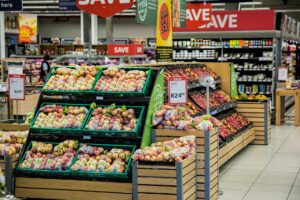

If you purchased fresh or frozen beef between August 1, 2014, and December 31, 2019, you may be entitled to a cash payment from a $140-million antitrust settlement resulting from a price-fixing conspiracy among major beef producers. Tyson Foods and Cargill have agreed to pay $87.5 million combined (with Tyson contributing $55 million and Cargill $32.5 million), while JBS has already settled for $52.5 million. The conspiracy—during which these companies allegedly worked together to restrict beef supply and artificially inflate consumer prices—affected millions of households across 26 states plus Washington, D.C., and created one of the largest food industry antitrust cases in recent memory. This article explains who qualifies for payment, how much you might receive, critical deadlines, and what you need to do to file your claim.
Table of Contents
- What is the Beef Price-Fixing Antitrust Conspiracy?
- Settlement Amounts and Participating Defendants
- Who Can File a Claim and Basic Eligibility Requirements
- Critical Deadlines You Must Know
- What Beef Cuts Qualify and Geographic Coverage Details
- How Payment Amounts Are Calculated
- Outstanding Defendants and the Future of Beef Antitrust Litigation
What is the Beef Price-Fixing Antitrust Conspiracy?
Between August 1, 2014, and December 31, 2019, major beef producers allegedly conspired to manipulate the market by reducing the supply of beef available to consumers and wholesalers. Rather than competing on price to gain market share, these companies coordinated to keep prices artificially high, passing the inflated costs on to grocery stores, restaurants, and consumers. The conspiracy affected families across the country who believed they were paying market rates for beef but were actually paying prices inflated by illegal anticompetitive conduct. For example, a consumer who regularly purchased ground beef or ribeye steaks during this five-year period likely paid more per pound than they would have in a truly competitive market. This type of price-fixing violates the Sherman Antitrust Act, which prohibits competitors from conspiring to fix, raise, maintain, or stabilize prices.
The case was consolidated into a multidistrict litigation (MDL) in the U.S. District Court for the District of Minnesota under the case name “In re Cattle and Beef Antitrust Litigation” (Case No. 22-md-3031), with Judge John R. Tunheim presiding. The litigation separated into two categories: direct purchasers (like restaurants and institutional buyers) and indirect purchasers (individual consumers). This settlement focuses on indirect purchasers—regular people who bought beef at grocery stores for household consumption.

Settlement Amounts and Participating Defendants
Tyson Foods and Cargill reached a joint settlement agreement to pay $87.5 million collectively, with Tyson paying $55 million and Cargill paying $32.5 million. JBS, another major defendant, independently settled for $52.5 million, bringing the total settlement fund to approximately $140 million before accounting for administrative costs and attorney fees. However, not all defendants have settled. JBS USA Food Company, Swift Beef Company, JBS Packerland, Inc., and National Beef Packing Company remain as outstanding defendants without approved settlements, meaning litigation against these companies is ongoing.
The settled defendants decided to resolve their liability rather than continue defending the case, while the remaining defendants have chosen to continue contesting the allegations. The difference between settled and unsettled defendants matters for claimants because payments will be distributed from the settled funds only. If you purchased beef from all the major producers during the conspiracy period, your recovery comes from the settlement pool. However, if additional defendants eventually settle or are held liable at trial, the total recovery pool for consumers could increase. The courts have approved the Tyson-Cargill and JBS settlements as fair, adequate, and reasonable, though final approval hearing is scheduled for May 12, 2026.
Who Can File a Claim and Basic Eligibility Requirements
To qualify for compensation, you must have purchased fresh or frozen beef primal cuts at retail grocery stores or supermarkets for personal, family, or household consumption during the conspiracy period (August 1, 2014 to December 31, 2019). The specific beef cuts included in the settlement are chuck, loin, rib, and round primal cuts—essentially the major cuts sold in grocery store meat departments, which include products like ground beef derived from these primals. You must have been a resident of one of the eligible states or Washington, D.C., at the time of purchase.
The settlement covers 26 states: Arizona, California, District of Columbia, Florida, Illinois, Iowa, Kansas, Massachusetts, Maine, Michigan, Minnesota, Missouri, Montana, Nebraska, Nevada, New Hampshire, New Mexico, New York, North Carolina, North Dakota, Oregon, Rhode Island, South Dakota, Tennessee, Utah, West Virginia, and Wisconsin. One important limitation: if you purchased beef as a business (such as a restaurant owner buying from a wholesaler, or a grocery store manager buying inventory), you likely fall into the direct purchaser category rather than this indirect purchaser settlement. Additionally, beef purchased at restaurants, food service establishments, or from direct wholesale suppliers does not qualify—the settlement applies only to retail purchases at grocery stores for household use. If you lived outside the 26-eligible states during the entire conspiracy period, you cannot claim compensation in this settlement.
Critical Deadlines You Must Know
The most important deadline is **June 30, 2026**, which is the final deadline to submit a claim. All claims must be filed online at www.OverchargedForBeef.com by this date. If you miss this deadline, you forfeit your right to compensation from this settlement permanently. An earlier deadline to file objections to the settlement terms is **March 30, 2026**—if you believe the settlement is inadequate or unfair, this is when you must notify the court. The final approval hearing before Judge Tunheim is scheduled for **May 12, 2026, at 11:00 a.m.
CDT** in Minneapolis. This hearing is when the judge will consider any objections and finalize the settlement. Most claimants do not need to appear at the final approval hearing; the court will consider written objections. However, the timeline is compressed: you have only about three months from now to decide whether to object, and then less than four months total until the claims deadline. If you think you qualify, you should not wait until June to file because the claims process involves documentation verification. Submitting your claim early gives the settlement administrator time to process it and flag any issues requiring clarification before the deadline passes.
What Beef Cuts Qualify and Geographic Coverage Details
The settlement covers fresh or frozen **chuck, loin, rib, and round** primal cuts. In practical terms, this includes ground beef (which typically comes from chuck), ribeye steaks (from the rib), strip steaks (from the loin), sirloin steaks (from the loin), and roasts like chuck roasts and round roasts. However, processed beef products like hot dogs, bacon, corned beef, or pre-made beef-based products such as frozen beef patties or canned beef do not qualify. The settlement focuses on primary beef cuts because those are the ones subject to the producers’ supply reduction conspiracy.
If you have receipts showing purchases of these specific cuts between August 1, 2014, and December 31, 2019, save them—they will strengthen your claim. The geographic limitation excludes residents of 24 states and US territories outside the eligible list. This geographic split reflects different market conditions and interstate commerce considerations, but it means residents of places like Texas, Colorado, Ohio, Pennsylvania, Washington state, and many others cannot file claims in this particular settlement. If you moved during the conspiracy period, you can only claim for beef purchased while residing in an eligible state. The settlement administrator verifies residency information, so be prepared to provide documentation such as utility bills, tax returns, or mortgage statements showing your address during your purchase period.

How Payment Amounts Are Calculated
The settlement uses a **pro-rata distribution** method, meaning the total settlement fund is divided based on the amount of qualifying beef each person purchased. Consumers who bought more beef during the conspiracy period will receive larger payments than those who bought less. The settlement administrator does not have transaction-by-transaction records for individual consumers; instead, they use statistical modeling based on population data, typical beef consumption patterns, state-level purchases, and other economic data to estimate individual claims. When you file your claim, you will provide information about the quantity and value of beef you purchased.
The settlement administrator reviews this estimate against baseline consumption data to verify it is reasonable. If your claim appears consistent with typical household beef consumption for a family of your size in your state during that period, it will be approved. For example, a family of four that purchased beef 2-3 times per week might submit a claim significantly larger than a single person who purchased beef once monthly. Your payment will be a proportionate share of the settlement pool after deducting administrative costs and attorney fees (typically 25% of the gross settlement goes to attorneys). The remaining amount is distributed among approved claimants.
Outstanding Defendants and the Future of Beef Antitrust Litigation
While Tyson, Cargill, and JBS have settled, four significant defendants remain unsettled: JBS USA Food Company, Swift Beef Company, JBS Packerland, Inc., and National Beef Packing Company. These companies continue to contest the allegations and have not agreed to settle, meaning the litigation against them is ongoing in federal court. If any of these defendants are eventually found liable at trial or agree to settle later, additional compensation may become available to consumers. Claimants who file in this current settlement will likely be bound by its terms and cannot pursue claims against these remaining defendants separately for the same injury period.
The beef antitrust litigation represents a significant enforcement action in agricultural markets, where prior litigation was limited. The success of this settlement—bringing together multiple major producers and substantial consumer compensation—may influence enforcement patterns in other food industries and agricultural commodities. Consumers and advocacy groups have pointed to the beef case as evidence that even large, concentrated industries can be held accountable for price-fixing. Future developments in this case and potential additional settlements or judgments could reshape how cattle and beef markets operate. Meanwhile, cattle ranchers and agricultural organizations have also pursued direct claims for their losses during the conspiracy period in parallel litigation.
You Might Also Like
- Google Play Store $700 Million Antitrust Monopoly Class Action Settlement
- Blue Cross Blue Shield $2.8 Billion Antitrust Provider Class Action Settlement
- ZOA Energy $3 Million False Preservative-Free Labeling Class Action Settlement
Open Settlements You Can Claim Now
Browse current class action settlements accepting claims — several require no proof of purchase: