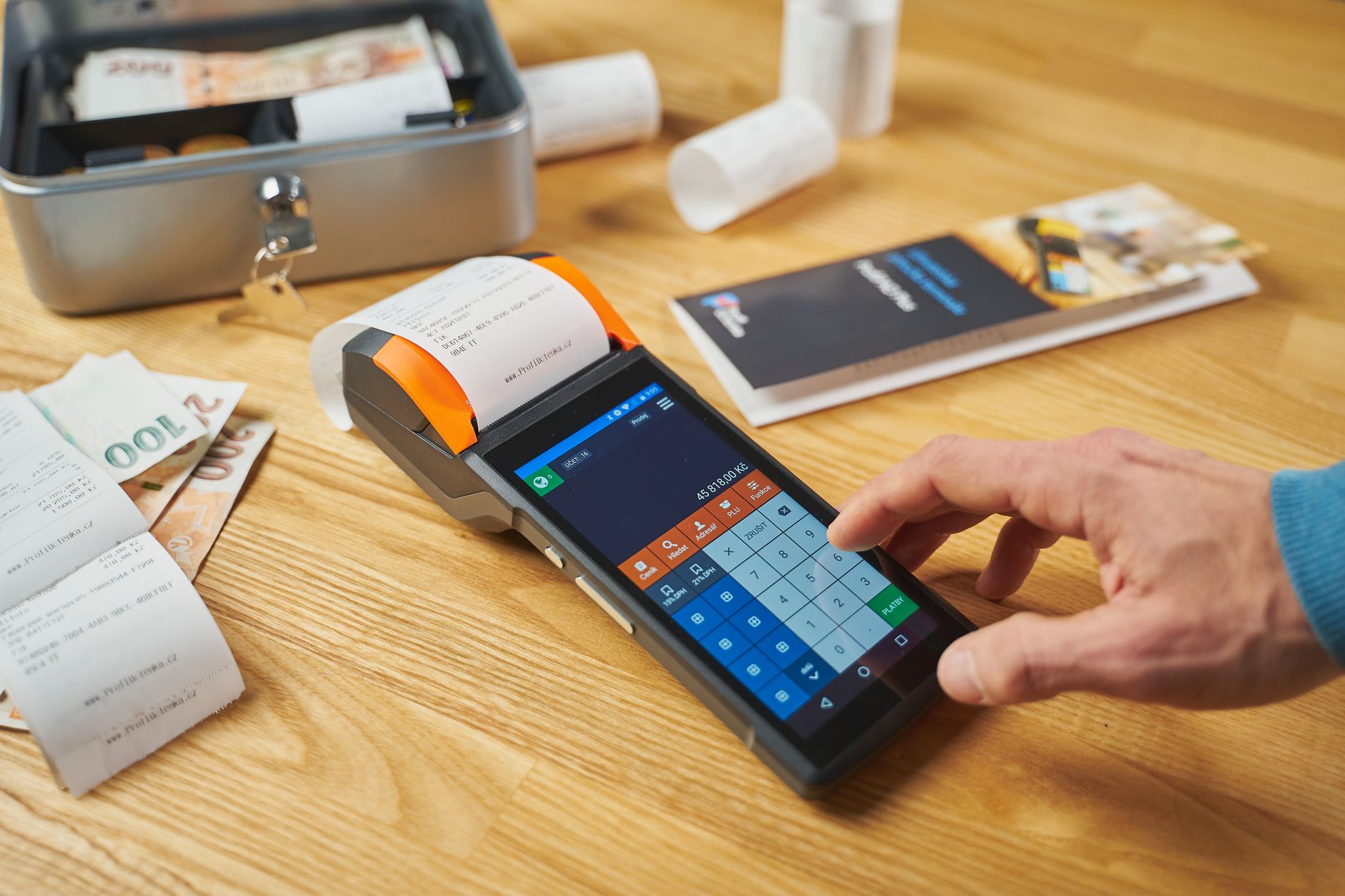
Walmart receipt pricing disputes and refund claims represent a common consumer problem that often goes unresolved because shoppers don’t understand their options. If you were overcharged at checkout, saw an incorrect price on your receipt, or believe a pricing error occurred during your purchase, you typically have several paths to resolution—ranging from immediate manager override at the store to formal complaint channels and potential class action participation. However, the remedies available depend heavily on the specific pricing issue, how quickly you identify it, and whether similar complaints affect enough customers to trigger legal action.
Many shoppers assume a pricing error is simply the cost of shopping, but Walmart’s price accuracy policy actually obligates the company to honor advertised prices and correct checkout errors. When a customer is charged more than the advertised shelf price, Walmart’s standard practice is to refund the difference plus a percentage of the item’s price as a gesture of goodwill—though this practice varies by location and manager discretion. The key to any successful resolution is documentation: your receipt, the item, a photo of the shelf tag, and the date of purchase all strengthen your claim.
Table of Contents
- How Walmart’s Price Accuracy and Overcharge Policies Work
- Receipt Disputes and Documentation Requirements
- In-Store Refund and Adjustment Procedures
- Online Purchases and Digital Receipt Pricing Claims
- Shelf-Tag Mismatches and Misleading Pricing Displays
- Class Action Claims and Systemic Pricing Issues
- State Attorney General Complaints and Consumer Advocacy
How Walmart’s Price Accuracy and Overcharge Policies Work
walmart‘s official price accuracy guarantee states that if an item rings up at a higher price than advertised on the shelf, the store will adjust the charge. Most Walmart locations will honor the lower advertised price and may also apply a discount as compensation for the inconvenience—sometimes 5–10% of the item’s cost, though this is discretionary. The policy applies to both in-store and online purchases, though online disputes follow a different complaint process through customer service rather than in-person resolution. The challenge arises when pricing errors aren’t caught at checkout.
If you discover an overcharge only after leaving the store or when you review your receipt days later, the resolution becomes more complicated. Some Walmart locations will accept returns or refund requests for pricing errors up to several days after purchase, particularly if you have your receipt and the item is still in resalable condition. For fresh groceries or perishables, the window is shorter. For other items, Walmart may process a refund or adjustment over the phone or through their website using your receipt number.
Receipt Disputes and Documentation Requirements
Receipt disputes at Walmart center on several common scenarios: an item rang up at full price despite being on sale, the sale discount didn’t apply correctly, a price-match promise wasn’t honored, or the cashier charged you twice for an item. Each scenario requires slightly different documentation and approach. If you discover the error before leaving the store, show your receipt to a manager immediately—this is the fastest resolution path and often results in instant correction and an apology.
A critical limitation is that Walmart is not legally required to honor verbal price claims or “I thought it was on sale” disputes if there is no evidence of an actual advertised price or sale. The store can require you to produce a current shelf tag, a store circular showing the sale, or a screenshot of the advertised price to process a refund. Without documentation, particularly for purchases made weeks or months prior, Walmart may refuse to process the refund. This is why keeping receipts and taking photos of shelf tags when you notice a discrepancy is essential—it’s the only protection you have if a dispute escalates beyond a single store visit.
In-Store Refund and Adjustment Procedures
When you discover an overcharge at the checkout counter, alert the cashier or a nearby associate immediately. Most cashiers can process a correction on the spot, and the transaction is amended before it completes. If the error is discovered after you’ve paid, ask for a manager. Bring your receipt, the item, and a photo or memory of the advertised price or sale.
Managers have discretion to apply refunds, adjust prior purchases, and issue store credit or cash reimbursement. For purchases made in-store with a Walmart card or credit card, you have a straightforward audit trail. Walmart’s system can pull up recent transactions using your payment method or receipt number. If you purchased with a Walmart+ membership, this transaction history is linked to your account, which speeds up the refund process. For cash purchases, the receipt alone must serve as your proof—without it, Walmart is unlikely to trace the sale or process a refund, even if you remember the exact date and items.
Online Purchases and Digital Receipt Pricing Claims
Walmart.com customers face a different process for pricing disputes. If you ordered online and the price changed between when you added an item to your cart and when you checked out, you are generally charged the price displayed at checkout—not the lower price you saw earlier, unless the price drop occurred within a specific return window. However, if you received an item that cost more than advertised on the website at the time of purchase, you can contact Walmart customer service through your account or by phone to request a price adjustment.
The disadvantage of online disputes is that they take longer to resolve. A manager can instantly refund you in a store, but an online price claim may require an investigation, multiple emails, or a phone call with a customer service representative who needs to verify the advertised price, review your order history, and process a refund to your original payment method. Walmart’s online customer service team will typically ask for a screenshot of the webpage showing the incorrect price, the date you took the screenshot, and your order confirmation email. Expect resolution within 3–7 business days, though some cases take longer.
Shelf-Tag Mismatches and Misleading Pricing Displays
One of the most frustrating pricing issues involves shelf tags that don’t match the price charged at checkout. A customer sees an item marked as $9.99 on the shelf but the register rings it up at $14.99. Sometimes this occurs because an outdated tag wasn’t updated when the price increased, or because the tag was placed in front of the wrong item. Other times, it reflects a sale price posted on a shelf tag that the register hasn’t been programmed to reflect yet.
Walmart is legally obligated in most states to honor shelf-tag prices due to consumer protection laws and Unfair and Deceptive Trade Practices (UDAP) statutes. However, the store must have a clear, legible tag in the correct location for this obligation to hold—a faded, partially obscured, or misaligned tag may not qualify. Additionally, if a Walmart associate notices a widespread misalignment of tags (for example, an entire shelf of items marked incorrectly), the store may decide to honor the shelved price for customer goodwill but is not always legally required to do so if the error is determined to be an honest mistake rather than deceptive practice. Document the tag location, take a photo, and note the date—this protects you if the store later claims the tag was elsewhere.
Class Action Claims and Systemic Pricing Issues
Walmart has faced several class action lawsuits related to pricing practices, though active claims specific to receipt overcharges or systematic pricing errors are limited compared to complaints about other retail chains. Most pricing-related class actions against Walmart have centered on weight-based pricing accuracy (such as produce sold by the pound being mislabeled), point-of-sale systems failing to apply advertised discounts, or checkout errors that consistently overcharged customers in particular regions or time periods. If you believe you were part of a systemic overcharging scheme—meaning multiple customers were overcharged in the same way, at the same location, or during the same period—you may be eligible to join a class action settlement.
Settlements for pricing issues typically result in claims processes where you submit proof of purchase (receipt or credit card statement) and the amount you claim to have been overcharged. Compensation varies widely, from a few dollars per person to larger amounts depending on the scale of the settlement and the number of valid claims received. The challenge is proving you were overcharged and documenting the error—without a receipt or transaction record, your claim may be rejected.
State Attorney General Complaints and Consumer Advocacy
If Walmart refuses to refund an overcharge or disputes your pricing claim, you can file a complaint with your state’s Attorney General or consumer protection division. These agencies investigate patterns of consumer complaints and may take action if they find evidence of systematic unfair practices. Filing a complaint creates an official record and may result in the state’s consumer protection office contacting Walmart on your behalf or conducting an investigation.
For individual pricing disputes, state complaints rarely result in a personal refund—they’re more valuable as a deterrent and a way to document patterns of behavior. However, if many consumers file similar complaints in the same state, it can trigger regulatory action. Some state attorneys general also maintain mediation programs that can help resolve larger disputes between a consumer and a major retailer before litigation. Keep your receipt, note the date and location of the store, and be prepared to describe exactly what the pricing error was, what you were charged, and what attempts you’ve made to resolve it with the store.
- —
You Might Also Like
- X Twitter Data Sharing Fee or Refund Claims: Potential Options for Account Holders
- TikTok Children Privacy Fee or Refund Claims: Potential Options for Parents and Young Users
- Snapchat Youth Privacy Fee or Refund Claims: Potential Options for Snapchat Users