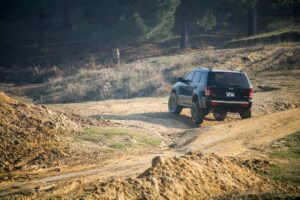

Yes, there is an active class action lawsuit involving Jeep Grand Cherokee plug-in hybrid (4XE) vehicles experiencing electrical fires, with multiple cases filed in 2025 alleging that Stellantis failed to adequately resolve dangerous battery system defects despite recalls. The lawsuits stem from a significant recall that has affected over 320,000 Jeep Wrangler and Grand Cherokee 4XE vehicles across model years 2020-2026, with the National Highway Traffic Safety Administration (NHTSA) recommending that owners park their vehicles outside and away from structures until repairs are completed. One owner reported her 2023 Jeep Grand Cherokee 4XE catching fire while parked in her driveway with the engine off, which became part of the pattern of incidents that prompted federal investigations and subsequent legal action.
The root cause of these fires has been traced to defects in lithium-ion battery packs and high-voltage electrical connectors that can spontaneously ignite even when vehicles are parked and completely turned off. This distinguishes the Jeep 4XE fires from typical vehicle fires, as the danger persists whether a vehicle is being driven or sitting idle. Federal courts have already ruled that mandatory arbitration clauses cannot block these lawsuits, clearing the path for hundreds of owners to pursue damages claims against the automaker for breach of warranty, violations of the Magnuson-Moss Warranty Act, and unjust enrichment.
Table of Contents
- What Is the Jeep Grand Cherokee 4XE Battery Fire Recall?
- The Root Cause—Defects in Battery Packs and Electrical Connectors
- The Pattern of Fires and Safety Incidents
- Owners’ Obligations and Repair Options
- The Class Action Lawsuits and Legal Claims
- Potential Damages and Compensation Scenarios
- The Future of the Litigation and Consumer Protection Implications
What Is the Jeep Grand Cherokee 4XE Battery Fire Recall?
The NHTSA recall encompasses 320,065 vehicles across two model lines: 2020-2025 Jeep Wranglers and 2022-2026 Jeep Grand Cherokee plug-in hybrid vehicles. However, this is not the first time these vehicles have been recalled for fire risk. An earlier recall in September 2024 covered approximately 154,000 Jeep Grand Cherokee and Jeep Wrangler vehicles after at least 13 fires had already been reported to federal investigators, indicating that the problem was known and widespread before the broader recall was issued.
The affected vehicles include 2020-2024 model year Jeep Wranglers, 2021-2023 Jeep Gladiators, and 2022-2024 model year Jeep Grand Cherokees equipped with plug-in hybrid systems. To put this in perspective, comparing it to other major automotive recalls: while the recall number (320,065) is significant, it represents a concentrated problem within a specific powertrain type rather than a flaw affecting all vehicles of a given model. The defect specifically targets the lithium-ion battery technology that powers these plug-in hybrid systems, which have become increasingly common as automakers work to reduce emissions.
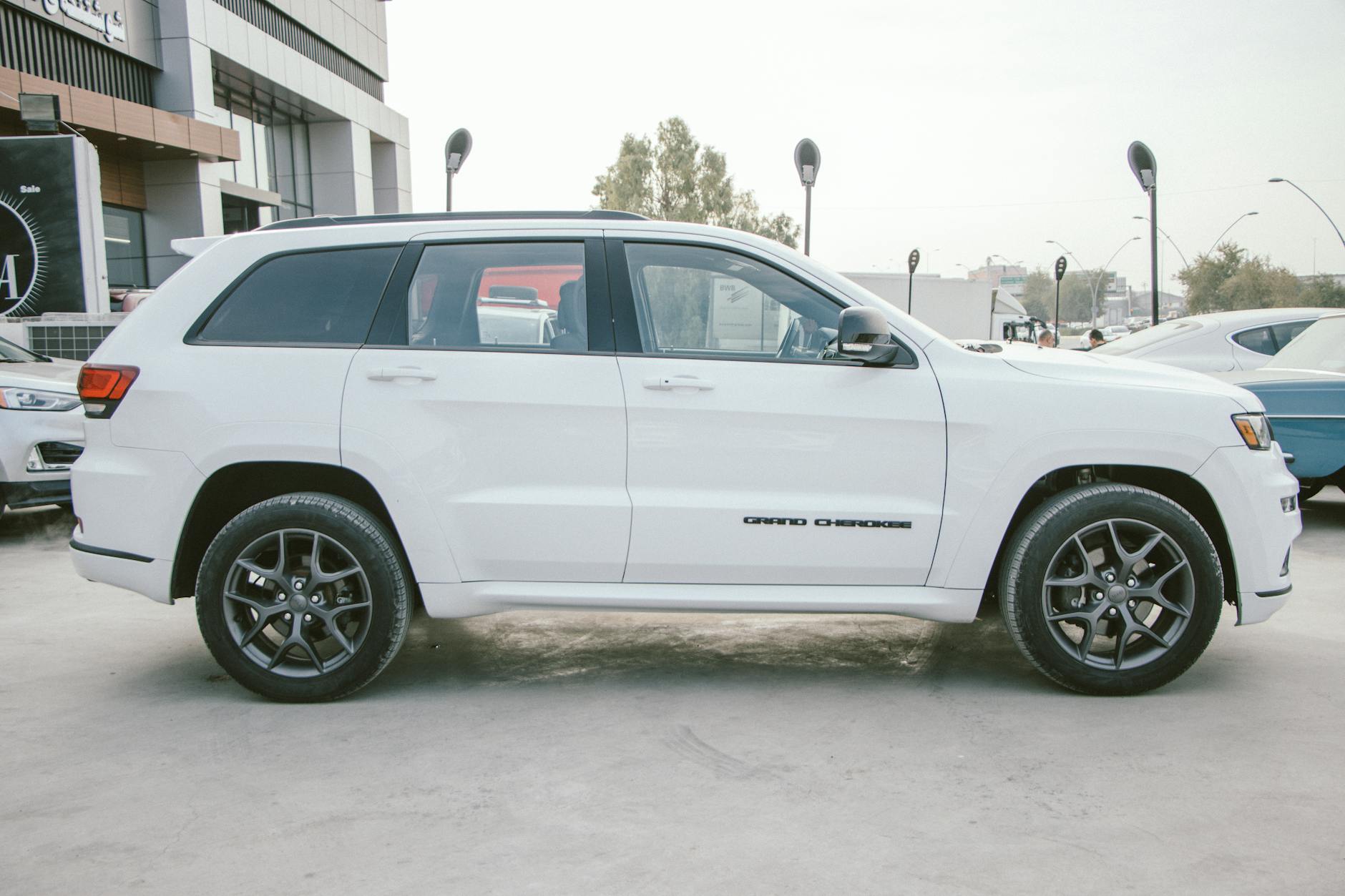
The Root Cause—Defects in Battery Packs and Electrical Connectors
engineers have identified defects in both the lithium-ion battery packs themselves and the high-voltage electrical connectors that link the battery system to the vehicle‘s electrical architecture. These components can spontaneously fail and ignite, creating a fire hazard that persists regardless of whether the vehicle’s engine is running or if the vehicle is parked and turned off—a critical distinction from traditional vehicle fires that typically occur under specific driving conditions.
The limitation of previous recalls and software updates is crucial to understand: Stellantis issued software patches and earlier recalls, but the lawsuits allege these measures were inadequate to fully resolve the underlying battery and connector defects. When a hardware component is fundamentally flawed, software updates have limited effectiveness, which is why NHTSA issued a stark safety advisory recommending owners not charge their vehicles’ batteries while awaiting repairs due to the increased fire risk in the charged state. This creates a practical burden for owners of plug-in hybrids, whose vehicles lose much of their appeal and utility without the ability to charge and operate in electric-only mode.
The Pattern of Fires and Safety Incidents
The initial September 2024 recall was triggered only after at least 13 confirmed fires were reported, suggesting that owners had already experienced dangerous situations before the full scope of the problem became apparent to federal safety investigators. These fires occurred across different driving and parking conditions, with some vehicles catching fire while parked in residential driveways with no occupants present—a scenario that creates obvious risks to nearby homes and property.
The pattern of incidents demonstrates a critical warning: unlike recalls addressing braking issues or software glitches that might fail intermittently under specific circumstances, these electrical fires can occur unpredictably and without warning. An owner might park what they believe to be a safe vehicle in their garage only to have it ignite hours later. The NHTSA’s specific recommendation to park vehicles outside and away from structures reflects the severity of this hazard and the agency’s acknowledgment that these vehicles pose a genuine threat to property and life.
Owners’ Obligations and Repair Options
Stellantis and NHTSA have issued repair procedures for affected vehicles, which typically involve inspection and replacement of battery components or electrical connectors. Owners should contact their Jeep dealers immediately upon receiving recall notices to schedule service appointments. However, the landscape has changed for owners who purchased their vehicles in good faith: many are now faced with the difficult choice of whether to proceed with repairs that previous recalls and software updates apparently failed to fully resolve, or to pursue legal remedies through the pending class action lawsuits.
The tradeoff for owners is clear but uncomfortable. Proceeding with the recall repair may address the immediate fire risk, but does not necessarily compensate owners for the loss of use, diminished vehicle value, or the anxiety of having owned a vehicle with a known defect. Alternatively, pursuing the class action lawsuit offers potential compensation but provides no guarantee of recovery and requires either joining an existing lawsuit or waiting to see what settlements or judgments emerge. Many owners are choosing to do both—complete the recall repair for safety while simultaneously participating in pending litigation to seek damages for their losses.
The Class Action Lawsuits and Legal Claims
Multiple lawsuits were filed beginning in January 2025 and continuing through March 2025, with plaintiffs alleging that Stellantis violated the Magnuson-Moss Warranty Act by failing to provide adequate warranty coverage and remedy for a known defect. The complaints also allege breach of express and implied warranties, as vehicles sold with plug-in hybrid systems should reasonably be expected to operate safely without spontaneously catching fire. A third major claim category involves unjust enrichment, arguing that Stellantis profited from the sale of defective vehicles and has not adequately compensated owners for their losses.
A significant limitation to be aware of: Stellantis initially attempted to use mandatory arbitration clauses in vehicle purchase agreements to prevent class action litigation and force disputes into private arbitration. However, in a 2025 ruling, federal courts determined that arbitration clauses cannot block the Jeep 4XE battery fire lawsuit, clearing the legal path for class actions to proceed. This is an important distinction from other vehicle defect cases, where arbitration agreements have sometimes successfully prevented group litigation. The court’s ruling suggests that judges found the public safety implications of the defect sufficiently serious to override private arbitration provisions.

Potential Damages and Compensation Scenarios
Class action settlements or judgments in vehicle defect cases typically address several categories of damages. Owners may seek reimbursement for diminished vehicle value, as a vehicle that has been recalled for fire risk and required major repairs may be worth less than comparable unaffected models. They may also pursue claims for economic losses such as towing costs, rental vehicle expenses while waiting for repairs, and the cost of additional insurance or extended warranties purchased due to safety concerns.
For example, in other major automotive recalls and defect litigation, settlement amounts have ranged from several hundred to several thousand dollars per vehicle, depending on the severity of the defect, the number of incidents reported, and the strength of evidence regarding manufacturer knowledge. Since the Jeep 4XE fires involve significant safety risks and multiple reported incidents, plaintiffs’ attorneys are likely seeking substantial compensation per vehicle. Additionally, some settlements have included provisions for future repairs, extended warranties, or buyback programs allowing owners to sell their vehicles back to the manufacturer at predetermined prices.
The Future of the Litigation and Consumer Protection Implications
The 2025 arbitration ruling opens the door for broader litigation against Stellantis and may encourage additional lawsuits from owners who were previously unaware of their legal options. As courts process these cases, the litigation may also prompt NHTSA to conduct additional oversight of plug-in hybrid battery safety across all manufacturers, not just Jeep. The outcome of the Stellantis cases could set important precedent for how courts treat mandatory arbitration clauses in future vehicle defect litigation.
From a consumer protection standpoint, the Jeep 4XE fires represent a reminder that plug-in hybrid technology, while environmentally beneficial, introduces complex battery systems that require strong quality control and rapid response when defects emerge. The fact that the initial September 2024 recall came only after fires were already being reported suggests that pre-production testing and quality assurance may not have fully captured the fire risk during development. Future vehicle buyers should expect improved oversight of battery systems, more proactive recalls, and greater transparency from manufacturers regarding known risks.
You Might Also Like
- Hyundai Kia Engine Fire Defect Class Action Settlement
- Zimmer NexGen Knee Implant Loosening Class Action
- Zetia Vytorin Cholesterol Antitrust Class Action Settlement
Open Settlements You Can Claim Now
Browse current class action settlements accepting claims — several require no proof of purchase: