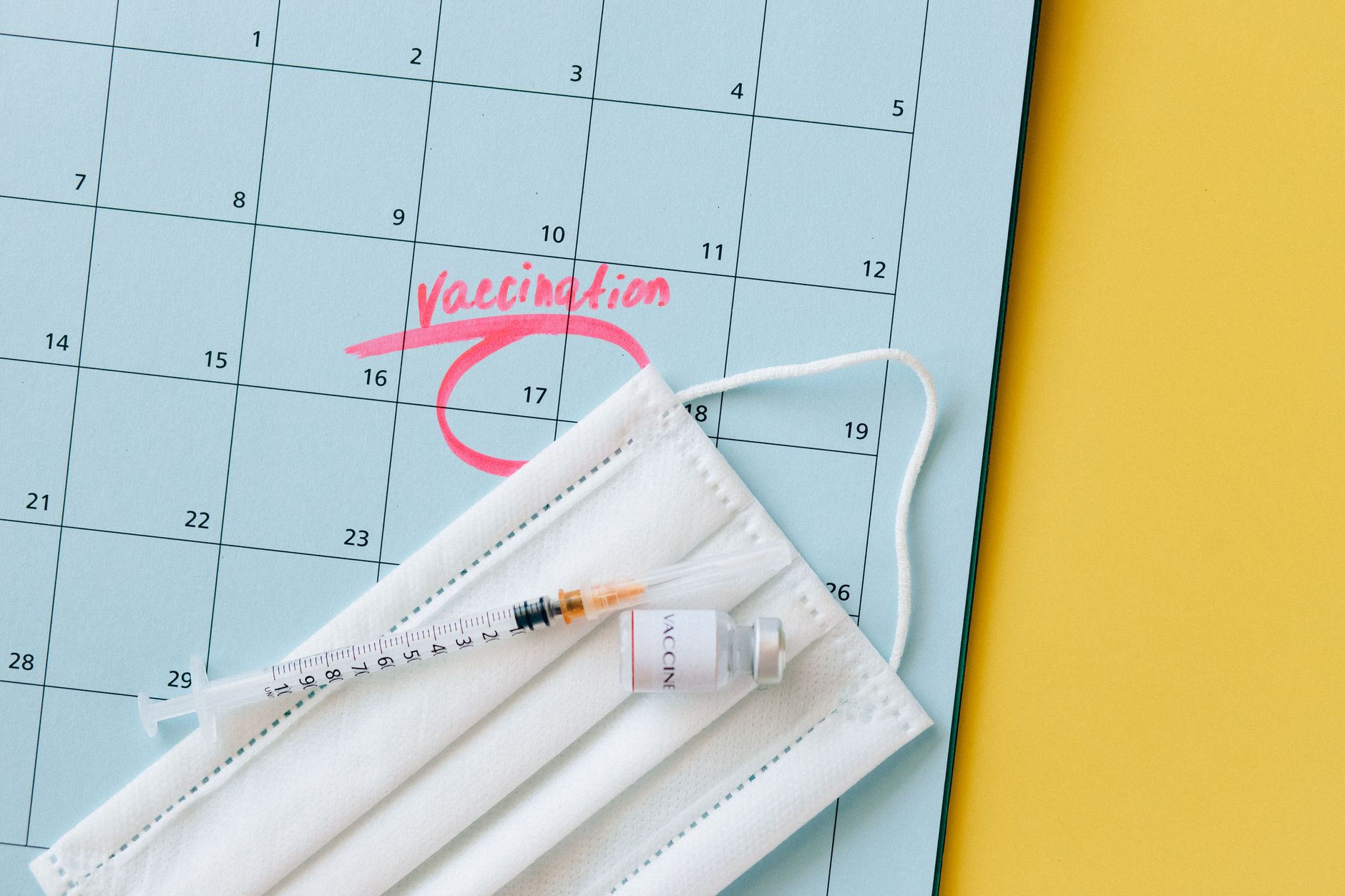
A denied vaccine injury claim is not always the end of the road. The next step depends on whether the claim was in the routine-vaccine program or the COVID-19 program. The National Vaccine Injury Compensation Program (VICP) decides routine-vaccine claims through special masters. COVID-19 vaccine injuries fall under the Countermeasures Injury Compensation Program (CICP), reports the Health Resources and Services Administration.
Table of Contents
- Can You Ask a Higher Court to Review a VICP Denial?
- Can You Reject the Decision and Sue in Regular Court?
- Do You Still Get Help With Lawyer Costs After a Loss?
- Why Are COVID-19 Vaccine Denials Different?
- What Should You Do in the First Weeks After a Denial?
Can You Ask a Higher Court to Review a VICP Denial?
A special master's denial is not necessarily final. Either side may ask a judge of the U.S. Court of Federal Claims to review it within 30 days. The court's Office of Special Masters states the review rule in the background paper on vaccine proceedings, and the clerk enters judgment afterward.
Federal law gives the Court of Federal Claims and its special masters power over VICP entitlement and pay. Appeals go to the U.S. Court of Appeals for the Federal Circuit. Possible U.S. Supreme Court review follows, according to the current statute text published by Cornell's Legal Information Institute.
Can You Reject the Decision and Sue in Regular Court?
After a final judgment denying pay, you must make a formal choice. Federal law requires a written election within 90 days. You either accept the judgment or file a civil damages action, reports Cornell's Legal Information Institute in the text of 42 U.S.C. Section 300aa-21.
Missing the deadline counts as accepting the judgment. A rejection opens a different door. A petitioner who rejects an adverse judgment may bring a traditional tort suit against the administrator or manufacturer in state or federal court. The same option applies after about 240 days without a decision if the petitioner withdraws. Justia's vaccine injury guide describes that path as subject to vaccine-law limits on liability.
Do You Still Get Help With Lawyer Costs After a Loss?
Losing does not always mean paying your lawyer alone. The special master may still order payment of reasonable attorneys' fees and costs. That help is allowed when the petition was brought in good faith with a reasonable basis, according to the Congressional Research Service.
This matters if cost kept you from filing. A denial does not erase a careful, honest claim. Fee eligibility turns on how the petition was brought, not only on winning.
Why Are COVID-19 Vaccine Denials Different?
COVID-19 vaccine claims use a different system with a narrower second chance. A denial allows only one administrative reconsideration, requested in writing within 60 days. No judicial appeal is permitted, reports the Health Resources and Services Administration in its CICP and VICP comparison. Reconsideration rarely changes the result. The Government Accountability Office reported 392 reconsidered claims decided by July 2024.
Of those, 389 stayed ineligible and only 3 changed outcome, detailed in the GAO report on countermeasures compensation. Most decided claims fail at the first step. Health Resources and Services Administration data as of Nov. 1, 2026 reports 8,989 denied claims. Common reasons are missing records and unmet proof of causation, so preserve records and meet the one-year filing deadline.
What Should You Do in the First Weeks After a Denial?
Your deadline starts at once, and the program controls the clock. Identify whether your letter names VICP or CICP before you act.
Put the filing deadline on your calendar first. Then rebuild the missing record around causation proof.
- Confirm VICP or CICP on the denial letter
- For VICP, track the 30-day review request and the 90-day accept-or-sue election
- For CICP, prepare the one written reconsideration within 60 days
- Save visit notes, test results, receipts, and proof linking vaccine to injury