You need evidence that makes the assault more likely than not, starting with your own detailed testimony plus any supporting records. No single item is mandatory, and many civil claims move forward without DNA or a police report.
A civil sexual assault suit seeks money damages from the attacker or a negligent institution. It is separate from a criminal case. That distinction shapes what proof you need and when you can file.
Table of Contents
- What level of proof applies in civil court?
- Why does your testimony matter most?
- What medical and forensic exams add
- Do you need a police report or conviction?
- What should you save right now?
What level of proof applies in civil court?
Civil plaintiffs must prove the claim by a preponderance of the evidence. That means the factfinder believes there is a greater than 50 percent chance the assault occurred. Cornell Legal Information Institute describes this preponderance standard as a far lower bar than beyond a reasonable doubt.
The lower standard matters for filing decisions. A case can be viable in civil court even when prosecutors decline charges. Weak physical proof does not end the inquiry because the question is overall likelihood.
Why does your testimony matter most?
Your own account of what happened, the circumstances, and the physical and emotional impact is often the central evidence. The Blankenship Law Firm states in its evidence guide for civil lawsuits that survivor testimony can support liability without corroborating physical proof. Be specific about sequence, location, force or coercion, and aftereffects.
Credibility grows when details stay consistent across tellings. Write down what you remember as soon as you can. Include dates, places, witnesses, and how the assault affected work, school, sleep, and relationships.
What medical and forensic exams add
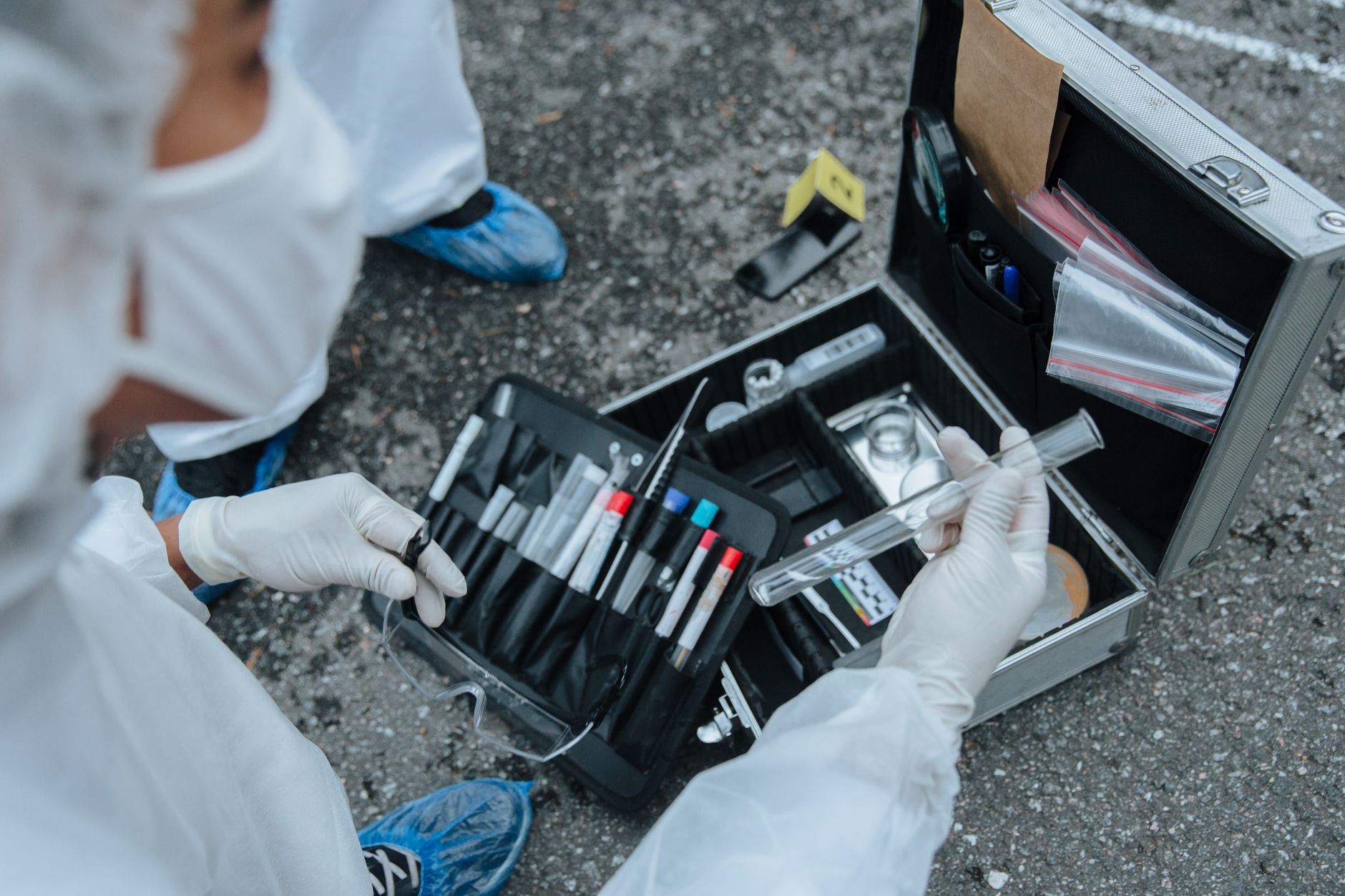
A Sexual Assault Medical Forensic Examination, called a SAFE, collects the evidence kit and provides related care. The U.S. Department of Justice Office on Violence Against Women explains in its SAFE information that specialized clinicians also address STI risk, pregnancy, injury, and referrals for later investigation or prosecution.
Get care even if you are unsure about suing. Timing affects DNA value because forensic value drops fast. RAINN advises in Getting a Sexual Assault Forensic Exam to seek an exam promptly, generally within 72 hours, and to avoid showering, changing clothes, or cleaning up beforehand when possible. Do not delay medical care if you are injured.
Do you need a police report or conviction?
No criminal prosecution, conviction, or police report is required to file a civil claim. Kentucky law published through Justia reflects the broader rule that civil and criminal tracks are separate. A civil case can proceed after dismissal or acquittal.
Police reports and prior complaints still help when they exist. Motley Rice explains that those records can corroborate your account alongside medical proof. Medical records, therapy notes, and expert explanation can further document harm and link injuries to assault.
What should you save right now?
Preserve everyday proof before it disappears. The Blankenship Law Firm evidence guide lists texts, emails, call logs, photos, rideshare and keycard records, incident and HR reports, clothing kept in a paper bag, and names of people told afterward. For claims against a school, employer, or facility, save institutional emails and policy violations that show negligence.
- Save messages, photos, call logs, and location or trip records without editing them
- Keep clothing unwashed in a paper bag, not plastic
- Request copies of medical, counseling, incident, and HR records
- List witnesses, including people you told, and what you told each one
- Note dates, times, addresses, badge numbers, and report numbers