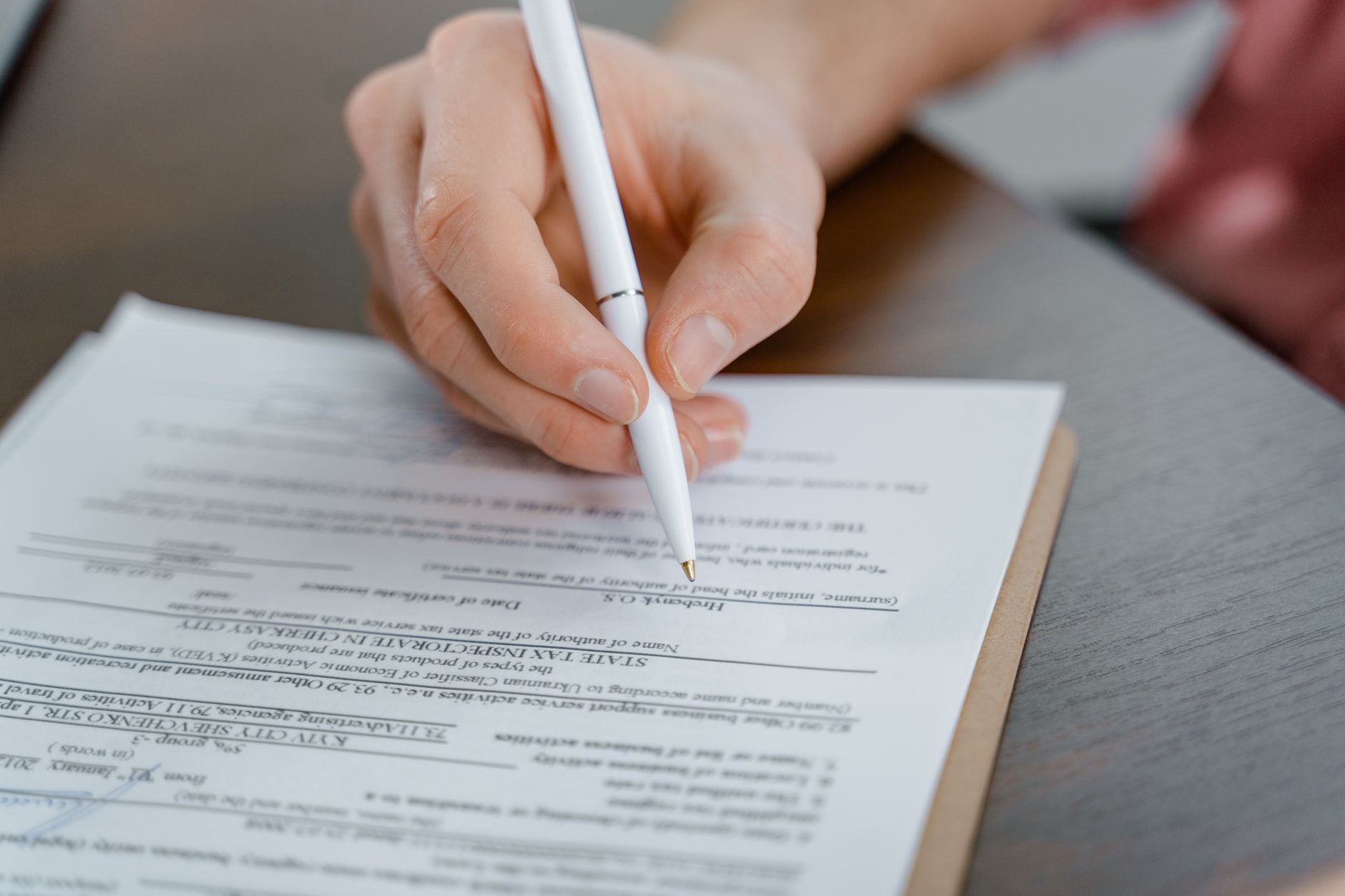
Eligibility for a food safety settlement rests on purchase proof for refund claims and medical proof for illness claims. A food safety settlement is a payout resolving claims that a food was contaminated, mislabeled, or unsafe.
Most buyers qualify with receipts, statements, or order records. Sickened buyers need treatment and lab records as well. The path you take depends on what you claim.
Official resources:
- Read the official notice from FDA — Use this primary source to verify the official announcement.
- Read the official notice from FDA — Use this primary source to verify the official announcement.
Table of Contents
- What Shows You Bought the Product?
- What If You Have No Receipt?
- What Proves Illness and Harm?
- How Do You Save and File Proof?
What Shows You Bought the Product?
Administrators most often accept itemized receipts, credit-card or bank statements, order-confirmation emails, or loyalty-card records. Each record must show item, merchant, date, and amount. According to LegalClarity in its consumer settlement filing guide, those details decide eligibility. Keep the full receipt, not just the total. Highlight the covered item when other goods appear.
Pair it with a matching card statement when possible. Recall refunds follow company directions. One example comes from Albright's. The U.S. Food and Drug Administration notice asks buyers to mail a receipt plus photos and store details, described in its pet-food recall announcement.
What If You Have No Receipt?
According to OpenClassActions in its proof-of-purchase explainer, many low-dollar food settlements offer a no-proof tier. You attest under penalty of perjury that you qualify. No receipt upload is needed.
Those claims usually pay a smaller flat or pro-rata amount, face unit caps, and may still need a Notice or Claim ID. Use this tier only when you lack paperwork. Claim only units your household truly bought. Enter the ID from your notice exactly.
What Proves Illness and Harm?
Illness claims live or die on medical proof. According to LegalClarity in its food-contamination liability guide, that means diagnosis reports, treatment and hospital records, bills, and missed-work notes showing harm. The strongest causation proof is lab confirmation of the pathogen, usually by stool culture or PCR or blood test for Salmonella or E.
coli. Seek care quickly and ask about pathogen testing. Keep discharge papers, test results, and receipts. Matching the bug in you to the bug in the food wins cases.
How Do You Save and File Proof?
LegalClarity advises saving packaging and photos. Record food type, purchase date, lot codes, and seller.
Seek prompt testing when sick. Upload clear copies where the form asks. Keep originals until payment issues.
- Photograph package front, lot code, and receipt
- Write down store, date, and symptoms timeline
- File claim form with class-member ID and signed declaration