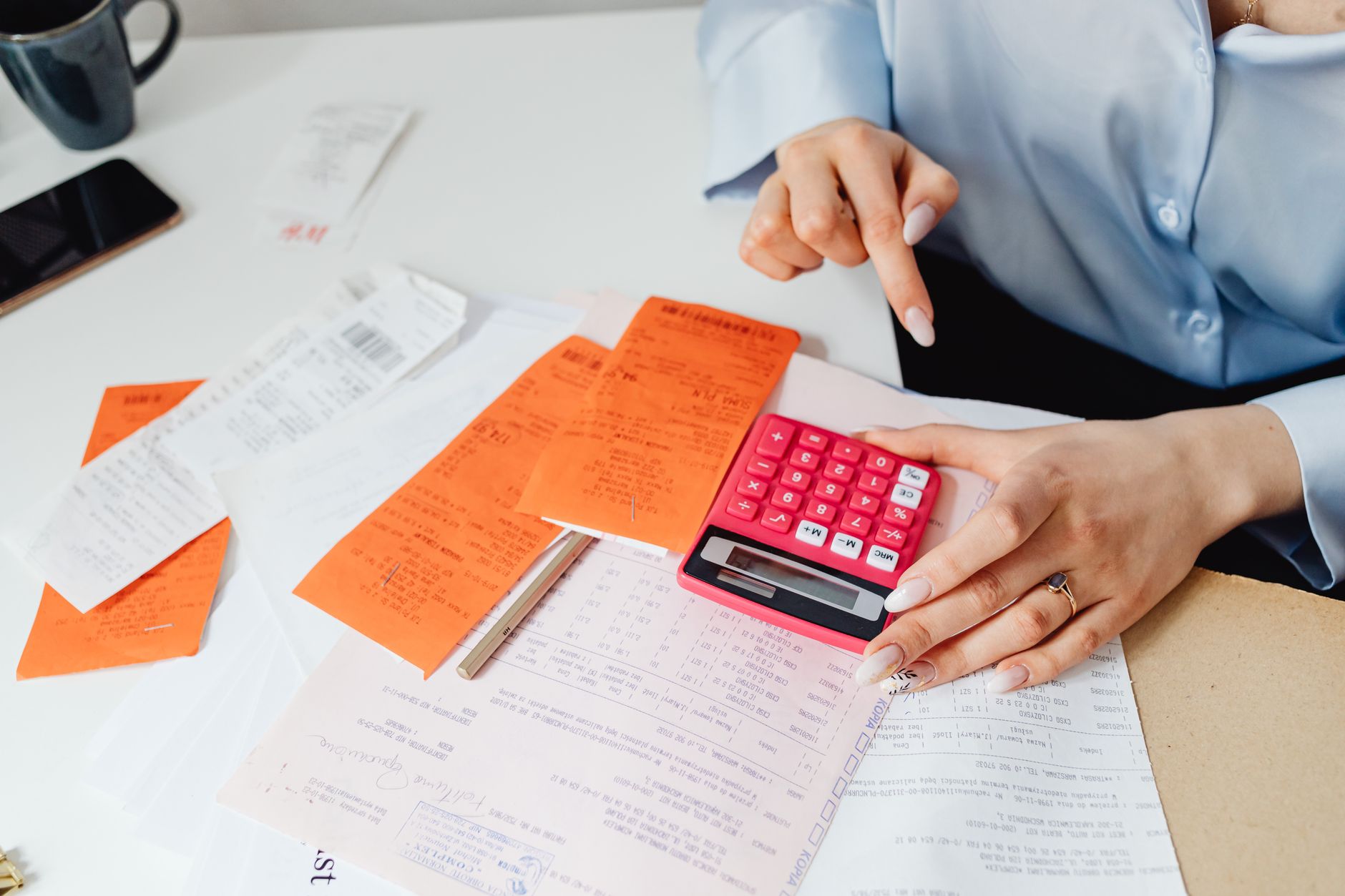
Walmart receipt pricing claims involve allegations that Walmart charged customers more at checkout than the advertised or shelf price for merchandise. If you purchased items at Walmart and noticed price discrepancies between the advertised price and what you paid, you may have grounds for a claim in a pricing class action. For example, a customer might see a product marked as $5.99 on a display sign but be charged $7.49 at the register, and the store may not have corrected the error at the time of purchase.
These types of claims typically fall into broader consumer protection litigation targeting large retailers over systematic or widespread price mismatches. The viability and details of any specific Walmart receipt pricing class action depend on where you shopped, when the purchase occurred, and the laws in your state. Most pricing dispute cases rely on state consumer protection statutes that prohibit charging customers more than the advertised price or that require stores to honor lower displayed prices. Understanding your eligibility and the evidence you need to gather can help you determine whether filing a claim makes sense.
Table of Contents
- How Do Walmart Receipt Pricing Claims Work?
- Challenges in Proving Pricing Disputes
- When Shelf Price Differences Matter
- Gathering Documentation for a Receipt Pricing Claim
- Eligibility Limitations and Potential Exclusions
- What to Expect From a Settlement Payout
- Distinguishing Individual Pricing Errors From Widespread Litigation
How Do Walmart Receipt Pricing Claims Work?
Receipt pricing claims typically require proving that you paid a price different from what was advertised or displayed in the store. The core allegation is often that Walmart’s checkout system failed to apply sales, discounts, or promotional pricing, or that shelf prices were not updated to match the actual sale price. Alternatively, some claims focus on Walmart charging a price higher than what the company advertised in-store circulars, online, or via signage.
To substantiate a claim, you would generally need evidence showing the discrepancy. This could include your receipt from the purchase, a photograph of the shelf price or advertisement at the time you shopped, and documentation of what you actually paid. Some class actions allow claims based on historical purchases if you can provide a receipt; others may ask for additional supporting documentation. The burden of proof varies by claim type—a pricing claim may be easier to establish if the store’s own records show a price mismatch.
Challenges in Proving Pricing Disputes
One significant limitation of receipt pricing claims is the difficulty in establishing a pattern across multiple customers. Retail pricing errors can be occasional and isolated rather than systematic, and proving that a specific discrepancy was Walmart’s error rather than a customer misreading the shelf price requires credible documentation. Many customers do not keep receipts long-term, which can make it harder to file a claim months or years after a purchase.
Additionally, even if you have a receipt, you may lack photographic proof of what the shelf price or advertised price actually was at the time of purchase, and Walmart may argue that the price was correct in their system even if it displays differently in-store. Another challenge involves determining your actual damages. If you were overcharged by $2 on a single purchase, your individual claim value may be modest—sometimes just $1 to $5—which raises questions about whether filing a claim is worthwhile. Store pricing systems can also be complex, with prices varying by location, promotion timing, and inventory updates, making it harder to prove company-wide fault rather than localized error.
When Shelf Price Differences Matter
Shelf price discrepancies are particularly relevant in receipt pricing claims because many state laws contain “shelf price” provisions requiring retailers to honor the lowest displayed price. If a customer sees a product labeled $12.99 but the register rings up $14.99, and the store’s internal system shows $14.99 as the current price while the physical shelf sign has not yet been updated, the question becomes who bears responsibility for the mismatch. Some cases argue that retailers have an obligation to regularly audit and update shelf signage; others contend that customers bear some responsibility for checking their receipts before leaving the store.
The frequency and severity of these mismatches can vary significantly by store location and product category. Electronics, clearance items, and seasonal products tend to have more frequent price changes, which can increase the likelihood of mismatches. However, without access to a store’s internal pricing records over an extended period, it is difficult to determine whether discrepancies were widespread or rare at your particular location.
Gathering Documentation for a Receipt Pricing Claim
To file a receipt pricing claim, you will typically need to provide your receipt showing the date, store location, items purchased, and final amount paid. A photograph of the product or shelf price at the time of purchase strengthens your claim, though not all claims require it. If the class action notice is still available, it will specify what documentation is needed and how to submit it.
Some claims accept submission through an online portal where you upload an image of your receipt; others require mailing physical documents to a claims administrator. Keep in mind that most class action claim deadlines range from 60 to 120 days from the claim period start, and missing the deadline will disqualify your claim regardless of documentation quality. If you are considering filing, review the specific class action notice or settlement agreement for deadlines, accepted documentation types, and any maximum claim amounts (often called a claims cap). In some cases, a higher documentation standard—such as requiring a clear, legible receipt plus a dated photo of the shelf price—results in higher payout amounts than claims with less documentation.
Eligibility Limitations and Potential Exclusions
Not every Walmart customer or receipt pricing discrepancy qualifies for compensation under a specific class action. Many class actions narrow eligibility by purchase date (e.g., claims from January 1, 2020 through December 31, 2022 only), product category (e.g., only groceries or only electronics), or state of residence (some claims only cover residents of states with strong price-protection laws). If you made a purchase outside the relevant time period or in an excluded state, you may not be eligible even if you experienced a price discrepancy.
Additionally, certain purchases may be excluded—for example, items bought with coupons, gift cards, or discounted memberships programs, or items that were part of a “buy one get one” promotion. Some settlements exclude low-value claims or those submitted after a certain threshold has been reached, which can reduce or eliminate your payment if many claims are filed. Before investing time in gathering documentation, confirm that your purchase date, location, and product type fall within the class definition.
What to Expect From a Settlement Payout
If a Walmart receipt pricing class action settles, the compensation typically comes from a settlement fund that is divided among approved claimants. Payments might range from a few dollars per claim to $10 or $25 depending on the settlement amount, the number of approved claims, and the documentation quality. Class action attorneys and claims administrators take a percentage of the settlement fund—often 25% to 30%—which further reduces the remaining pool.
In rare high-profile cases or when a limited number of claims are filed, individual payouts can be more substantial, but this is not the typical outcome. A settlement may also offer alternative remedies, such as Walmart store credit or coupons instead of cash, which some claimants may view as less preferable. Always review the settlement agreement to understand whether you can opt for cash if offered options and what the timeline is for receiving your payment—some settlements pay out within 60 days, while others take several months.
Distinguishing Individual Pricing Errors From Widespread Litigation
A single-instance overcharge at Walmart is not typically part of a class action unless multiple customers experienced similar or systematic errors. Class actions require a sufficient number of affected consumers and a common issue—usually that Walmart’s system, policy, or negligence caused the same type of harm to many people.
If you were overcharged once due to a cashier error or a temporary system glitch, filing under a general consumer protection claim at small claims court may be an alternative, though most state limits on small claims are in the $5,000 to $10,000 range. Conversely, if a Walmart pricing glitch affected thousands of transactions across multiple stores over several months—for example, a scanning or discount application error affecting a popular product—that pattern can support class action litigation. News reports, social media discussions, and store complaints can sometimes indicate whether others experienced the same issue, helping you determine whether isolated incidents are occurring or whether a broader problem exists.
You Might Also Like
- X Twitter Data Sharing Class Action Claims: What Consumers Should Know
- TikTok Children Privacy Class Action Claims: What Consumers Should Know
- Snapchat Youth Privacy Class Action Claims: What Consumers Should Know