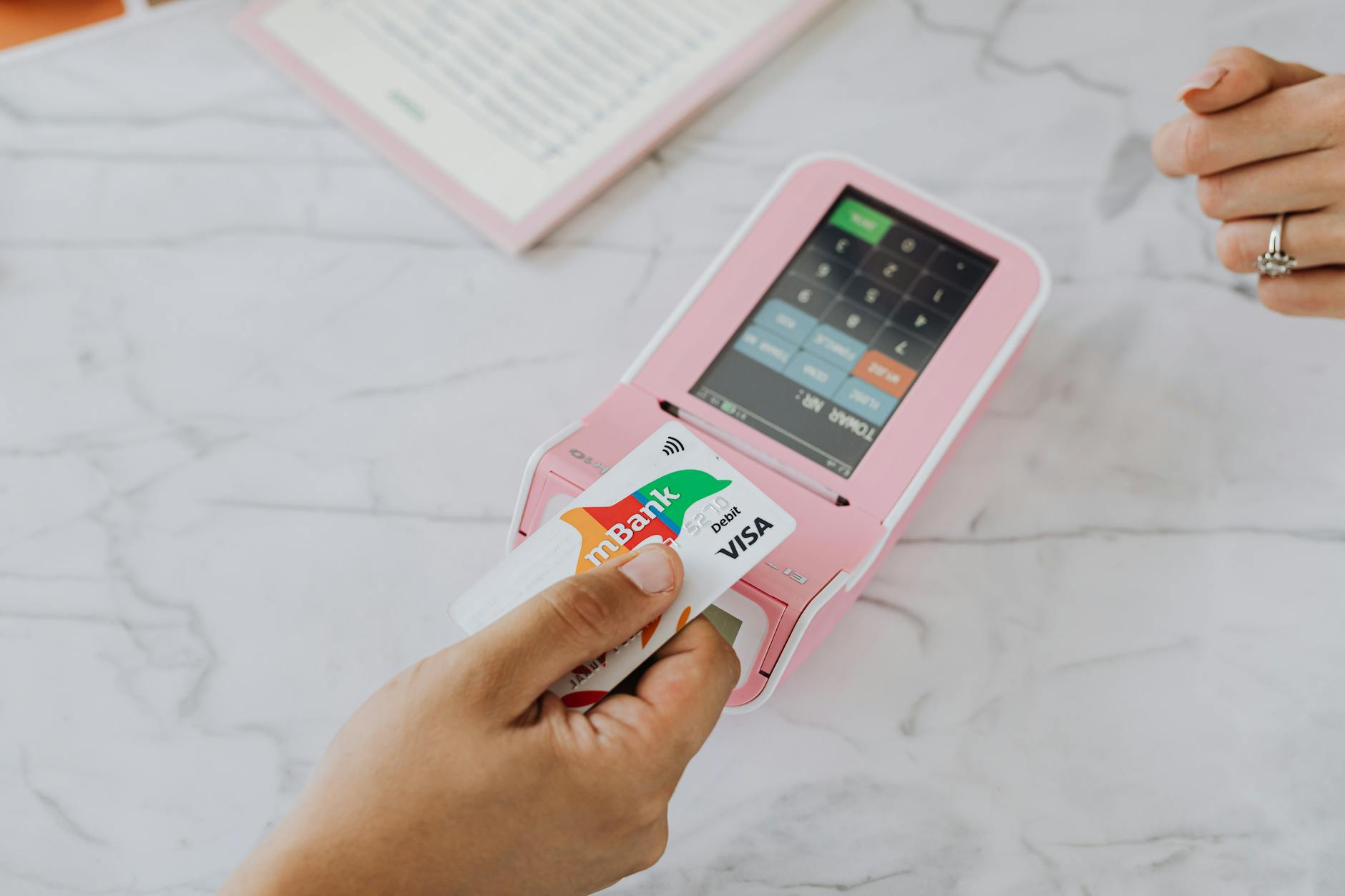
If your business accepted Visa or Mastercard debit or credit cards between January 2004 and January 2019, you may have been overcharged through artificially inflated interchange fees—and a historic $5.54 billion settlement may entitle you to compensation. This massive settlement resolved an antitrust case brought by merchants who challenged the card networks’ fee-fixing practices. A small bakery that processed $2 million in annual card transactions, for example, might recover thousands of dollars in overcharges that accumulated over the 15-year period.
This article explains who qualifies for the settlement, how much merchants can expect to receive, the critical deadlines you may have already missed, and how this case relates to other payment card settlements like Discover’s $1.2 billion agreement. The settlement represents one of the largest antitrust victories for small and large businesses alike. Unlike many class actions that drag on for years without resolution, this case has already moved into distribution: the court approved an initial partial payout of settlement funds in October 2025. However, there’s an important catch—the deadline to file claims passed on February 4, 2025, so acting quickly is essential if you haven’t yet submitted your claim.
Table of Contents
- What Was the Visa and Mastercard Interchange Fee Antitrust Litigation About?
- The $5.54 Billion Settlement Fund and How Distribution Works
- Who Was Eligible to File a Claim?
- The Discover Financial Services Settlement and How It Differs
- The Missed Filing Deadline and Current Settlement Status
- American Express Consumer Settlement and Related Cases
- Future Outlook and the Impact of Settlement Resolutions
What Was the Visa and Mastercard Interchange Fee Antitrust Litigation About?
For decades, visa and Mastercard set interchange fees—the charges merchants pay banks each time a customer swipes their card—at levels that merchants argued were artificially inflated through anticompetitive coordination. These fees aren’t negotiable; merchants accept them as part of the cost of processing card payments. The settlement in question stemmed from multiple lawsuits filed by merchants, businesses, and organizations arguing that Visa and Mastercard had illegally fixed interchange rates and other fees, violating the Sherman Antitrust Act.
The antitrust case is distinct from other payment card cases: it focuses specifically on the fees that acquiring banks charge merchants for processing transactions, rather than consumer-facing credit card fees. For a typical retail store processing $500,000 in annual Visa and Mastercard transactions at an average 1.5% interchange rate, overcharges accumulating across 15 years could represent tens of thousands of dollars in excess costs. The court found merit in the merchants’ claims and approved the settlement in December 2015, with a $5.54 billion fund for eligible parties.

The $5.54 Billion Settlement Fund and How Distribution Works
The settlement fund totals $5.54 billion, designated for merchants who suffered damages from allegedly inflated interchange fees. The settlement applies to all persons, businesses, and other entities that accepted Visa-Branded Cards and/or Mastercard-Branded Cards in the United States at any time from January 1, 2004 through January 25, 2019. The size of each business’s recovery depends on their share of eligible card transactions during the settlement period.
Distribution is not a flat payment to every claimant; instead, merchants receive a pro-rata share based on their transaction volume. A large chain restaurant that processed millions in card payments during the settlement period will receive substantially more than a small coffee shop that accepted cards only occasionally. The court approved an initial partial distribution on October 30, 2025, meaning qualifying merchants began receiving payments. However, the distribution process takes time, and merchants must have filed valid claims by the February 4, 2025 deadline to be included in payouts.
Who Was Eligible to File a Claim?
Eligibility is surprisingly broad: the settlement covers any person, business, or entity—from sole proprietors to large corporations—that accepted Visa-Branded Cards or Mastercard-Branded Cards in the United States during the settlement period (January 1, 2004 to January 25, 2019). This includes retail stores, restaurants, grocery chains, gas stations, medical offices, nonprofits, and online businesses. A dental practice that accepted Mastercard for patient payments during any portion of those 15 years qualified. A online retailer that sold products to U.S.
Customers using Visa checkout would have been eligible. However, several categories of entities were excluded from claiming, including Visa and Mastercard themselves, their affiliates, and any entity that was a co-conspirator in the alleged fee-fixing. The settlement also doesn’t apply to transactions outside the United States or to debit or credit cards issued by networks other than Visa and Mastercard. Businesses that didn’t maintain any sales records or transaction data from the settlement period may face difficulty substantiating claims, though the payment processors themselves have transaction records.

The Discover Financial Services Settlement and How It Differs
In addition to the Visa and Mastercard settlement, Discover Financial Services agreed to a separate $1.2 billion settlement with merchants. This settlement, agreed to on July 1, 2024, addresses similar antitrust allegations regarding anticompetitive practices and merchant interchange fees. The Discover settlement applies to merchants who accepted Discover cards during the settlement period and covers comparable damages for allegedly inflated fees.
The two settlements operate independently: merchants eligible for the Visa/Mastercard payout may also qualify for the Discover settlement if they also accepted Discover cards. A restaurant that processed Visa, Mastercard, and Discover payments could potentially receive compensation from multiple settlement funds. However, each settlement has its own eligibility criteria and distribution process, so claimants must file separately for each card network’s settlement if they want to recover damages from all three sources.
The Missed Filing Deadline and Current Settlement Status
One critical detail that affects many merchants: the deadline to file claims for the Visa/Mastercard settlement was February 4, 2025. As of March 2026, that deadline has passed. Merchants who did not submit claims by that date are generally barred from participating in the settlement, except in rare cases where late claims are approved due to extraordinary circumstances. This represents a significant limitation for any business that was unaware of the settlement opportunity.
Despite the closed filing deadline, the settlement continues to progress through distribution. The court’s October 30, 2025 approval of the initial partial distribution means eligible merchants who filed on time are already receiving checks. The payment cardsettlement.com website, the official court-authorized portal, continues to provide settlement information and updates on distribution timelines. Merchants who did file claims on time should monitor that site for payment status and any additional distribution announcements.

American Express Consumer Settlement and Related Cases
While the Visa/Mastercard and Discover settlements primarily address merchant interchange fees, a separate $17.5 million settlement with American Express addressed consumer-facing issues around credit card fee steering practices. Fee steering refers to merchants directing customers away from certain payment methods to avoid interchange charges. This American Express settlement is distinct because it protects consumers rather than merchants, and the fee-stealing practices it addresses are different from the merchant interchange fee-fixing in the larger Visa/Mastercard case.
Merchants should not confuse these separate settlements. The $17.5 million American Express consumer settlement does not provide compensation to merchants for the same interchange fee claims; it addresses a narrower consumer protection issue. However, the existence of multiple related settlements highlights the antitrust scrutiny that payment card networks have faced over their fee structures and competitive practices.
Future Outlook and the Impact of Settlement Resolutions
The approval of partial distributions in October 2025 suggests the settlement is moving toward completion rather than entering a new round of litigation. Future distributions will likely occur as remaining eligible claims are processed and validated. The payment cardsettlement.com website will continue to be the authoritative source for updates on when additional funds will be released.
This settlement has broader implications for how payment card networks operate. The resolution demonstrates that regulatory scrutiny of interchange fee-setting remains active, and similar cases may continue against other payment processors or for different time periods. Merchants should view this settlement not as a one-time event but as part of a longer-term evolution in how transaction fees are negotiated and regulated.
You Might Also Like
- Visa and Mastercard $5.54 Billion Interchange Fee Overcharge Class Action Settlement
- ZOA Energy $3 Million False Preservative-Free Labeling Class Action Settlement
- Wells Fargo $33 Million Deceptive Subscription Billing Class Action Settlement
Open Settlements You Can Claim Now
Browse current class action settlements accepting claims — several require no proof of purchase: