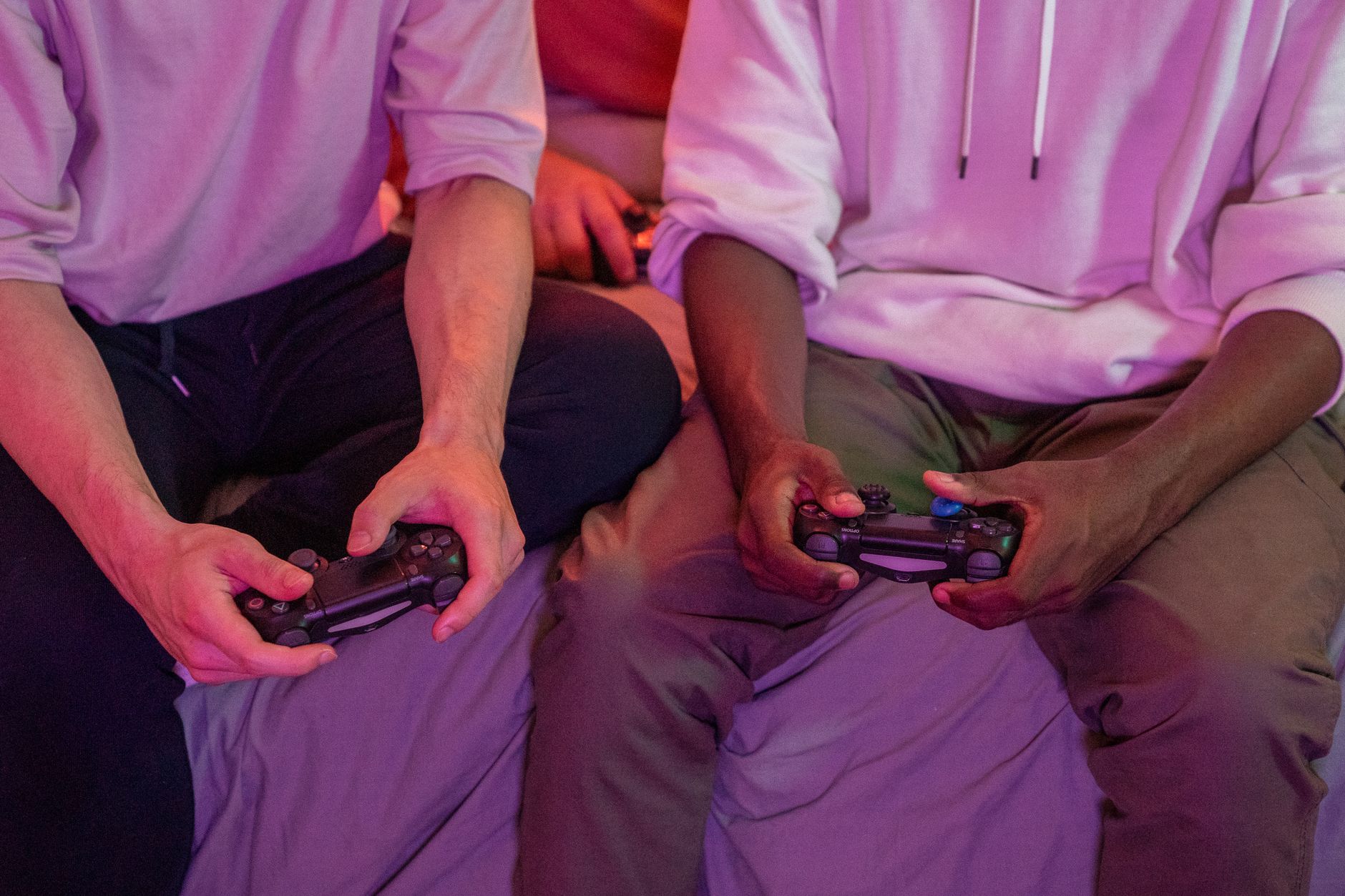
Video game addiction lawsuit settlement amounts are attorney estimates of $25,000 to over $350,000 per case, not payouts from a fund. These are individual personal-injury lawsuits with no claim form to file now, and TorHoerman Law projects severe youth cases at $100,000-$350,000+ in the 2026 settlement guide. Video game addiction lawsuits allege that design features in popular games harmed minors without adequate warnings or controls. The estimates describe potential case value based on injury severity and treatment history.
Official resources:
- Read the official guidance from Who — Use this primary source to verify the official guidance.
- Read the official notice from Lawsuitprocess — Use this primary source to verify the official announcement.
Table of Contents
- Why dollar figures are estimates, not payouts
- Not a class action
- What drives the $25,000 to $350,000 range?
- Which games and courts are involved?
- What families can do now
Why dollar figures are estimates, not payouts
All published dollar figures are attorney estimates of future case value, not money already awarded. The Lawsuit Information Center describes the litigation as individual injury cases with no settlement fund or payout schedule in the November 2026 case review.
That distinction matters for readers looking for a filing deadline. There is nothing to join or file for compensation at this stage.
Not a class action
These cases do not work like a consumer refund class action. Each plaintiff must prove personal harm, medical care, and a link to game design.
The structure affects payment timing and size. Any payment would go to the individual plaintiff in that case, not to all players in equal shares.
What drives the $25,000 to $350,000 range?
Lower estimates generally reflect shorter play periods, milder impairment, and limited treatment. Higher estimates reflect prolonged youth play, a gaming disorder diagnosis, and extensive therapy or family disruption.
Gaming disorder means impaired control over play, priority of gaming over daily activities, and continued gaming despite harm that causes marked impairment. Families who kept medical records, school records, and play-time proof can show that pattern more clearly.
- Age at heavy play and length of heavy play
- Formal diagnosis and treatment history
- Proof of usage, spending, and missed school or sleep
- Whether the claim stays in court or moves to private arbitration
Which games and courts are involved?
Named defendants include Roblox Corporation, Epic Games for Fortnite, and Microsoft/Mojang for Minecraft. The claims focus on features accused of keeping minors playing without adequate warnings or controls, as reported by the LawsuitProcess editorial team in the February 2026 litigation update. More than 100 cases now proceed together in California state court as JCCP No.
5363 before Judge Samantha P. Jessner. Federal judges twice refused nationwide consolidation, most recently in December 2025.
What families can do now
Projected amounts are not guaranteed and turn on age, diagnosis, treatment, usage proof, and account arbitration terms. TruLaw stresses those limits for 2026 claims in the 2026 payout analysis.
Save treatment bills, counseling notes, school reports, device play logs, purchase receipts, and the account terms accepted at sign-up. Ask a personal-injury lawyer whether arbitration applies before expecting a court payout.
Source
Full case details, deadlines and official links: Video Game Addiction Lawsuit: Cases Still Active After MDL Rejection on OpenClassActions.com.