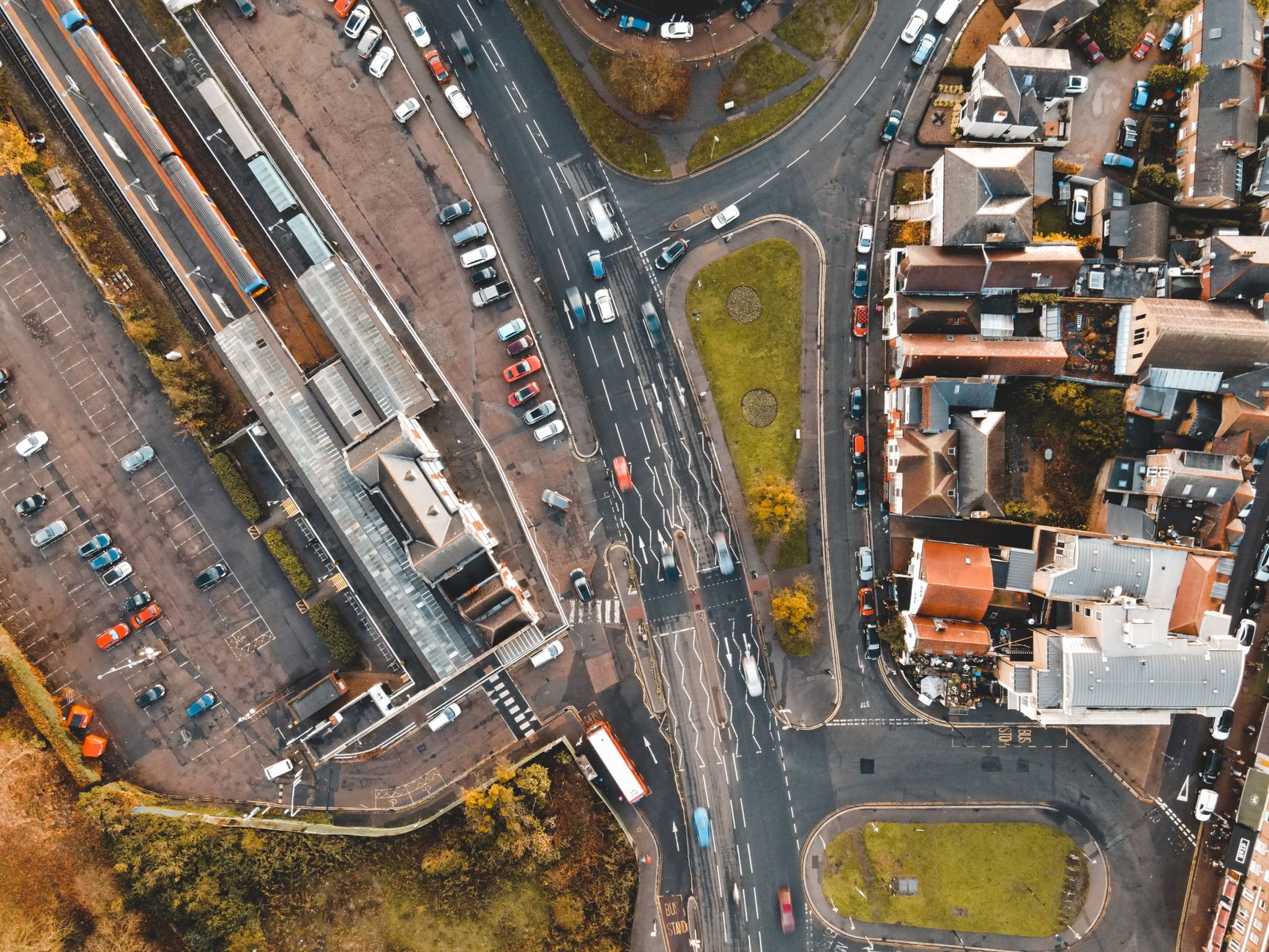
Transportation class actions in October 2026 address airline delays and refunds, fuel-dump property damage, and deceptive auto charges. A transportation class action is a lawsuit where many passengers, drivers, or property owners pursue shared legal claims together. This guide explains who each action affects and what payment path applies. It focuses on practical limits and next steps for travelers and vehicle owners.
Table of Contents
- What makes a case a class action?
- What are your rights after a canceled or delayed flight?
- Who is affected by the Delta fuel-dump settlement?
- Which auto settlements pay drivers?
- Do you need to file a claim for an FTC refund?
What makes a case a class action?
Federal courts use four tests before a case can proceed as a class action. The group must be so large that joining each person is impractical. It must share common legal or factual questions, and the named plaintiffs must have typical claims and act as adequate representatives.
The Cornell Law School Legal Information Institute lists these Rule 23 requirements in its current Rule 23 summary. This test matters because transportation harm often hits many people in the same way. A delayed route or hidden dealer fee can repeat across customers. Class treatment lets those shared claims move as one case.
What are your rights after a canceled or delayed flight?
The U.S. Department of Transportation requires airlines to issue automatic, prompt refunds in the original payment method for the full amount when flights are canceled or significantly changed. The agency states key protections took effect May 16, 2024, with remaining provisions on October 28, 2024, in its rulemaking summary for stranded passengers. The U.S.
Department of Transportation penalized JetBlue $2 million for operating four chronically delayed East Coast flights at least 145 times from June 2022 to November 2023. The agency called it its first chronic-delay enforcement. The order split the payment with $1 million to the Treasury and $1 million to harmed passengers. A penalty is not the same as a class payout. You still seek a refund under the airline refund rule rather than expect class money from an enforcement action.
Who is affected by the Delta fuel-dump settlement?
MyNewsLA reported on September 28, 2026 that a judge tentatively approved a $78.7 million class settlement over Delta Flight DL89. The January 2020 fuel dump doused tens of thousands of properties, homes and schools in Los Angeles and Orange County. Delta denied wrongdoing, citing a mechanical issue, according to the MyNewsLA settlement report.
Tentative approval does not mean checks are in the mail. The case concerns property exposure, not ordinary flight delays. People and schools in the described area should watch for formal notice with filing terms.
Which auto settlements pay drivers?
The Federal Trade Commission and Connecticut secured a $4 million settlement with Manchester City Nissan on August 19, 2026. The case alleged double-charging for certified pre-owned vehicles and unauthorized fees. The order requires redress and clear disclosure of the maximum total price. The Federal Trade Commission sent more than $9.6 million to buyers of allegedly deceptively advertised CarShield vehicle service contracts.
The owners had paid for coverage described as covering repairs. The agency said 2024 actions overall produced over $339 million in refunds. Auto Remarketing reported that Corpay agreed to a proposed $100 million FTC settlement over a 2019 complaint about fleet fuel-card marketing and disclosure. The matter affects business fleets, not family cars. The report notes CEO Ron Clark faces no separate financial payment under the proposal.
Do you need to file a claim for an FTC refund?
The Federal Trade Commission explains in its refund programs FAQ that most refund cases require no consumer claim. The agency uses defendant customer lists to find eligible buyers.
It never requires payment or bank details to send a refund. Use only official instructions if a claim is needed. The agency says claim instructions appear only at ftc.gov/refunds.
- Do not pay to claim an FTC refund.
- Do not share bank details with callers about a refund.
- Check ftc.gov/refunds for any required form.
You Might Also Like
- Sexual Assault Litigation FAQ for October 2026: Source-Checked Answers to Common Questions
- Personal Injury Litigation FAQ for October 2026: Source-Checked Answers to Common Questions
- Fraud and Fraud Remission Refunds FAQ for October 2026: Source-Checked Answers to Common Questions