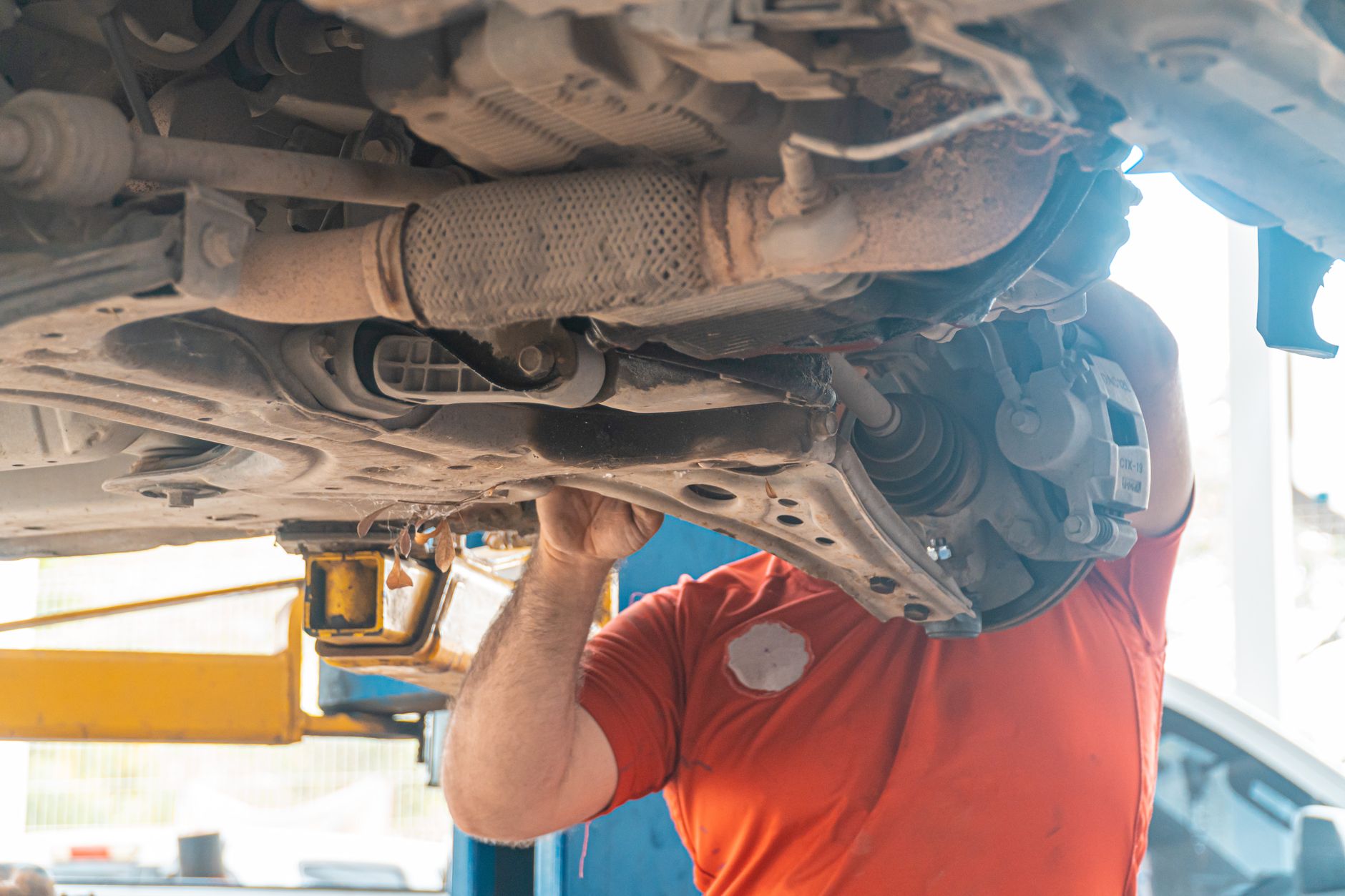
Proof of economic harm means proof you lost money or property because the maker blocked independent repair. Judges count overpaid repair bills, early replacement costs, and income lost during downtime. A right-to-repair lawsuit is a consumer or antitrust case that claims a manufacturer limited parts, tools, or service information to control repairs. To move forward, owners and independent shops must tie that limit to a dollar loss.
Official resources:
- Read the original report from FTC — Use this primary source to review the complete report.
- Read the official guidance from FTC — Use this primary source to verify the official guidance.
Table of Contents
- What counts as lost money?
- Why do some price claims fail?
- Does downtime count as harm?
- How do warranty ties create proof?
- What records should you save now?
- Frequently Asked Questions
What counts as lost money?
Antitrust economists describe two main harms in these cases: consumer overcharges and lost profits for independent shops. Both are measured against competitive but-for prices, according to Econ One analysis.
An overcharge is the gap between what you paid and what you would have paid with open competition. A shop loss is work diverted to the dealer network. Both need records, not general complaints about high prices.
Why do some price claims fail?
A high bill alone often fails. In Lambrix v.
Tesla, owners first lost because they did not show high repair costs were unknown at purchase or forced on them. The judge later allowed revised tying claims based on alleged coercion through fear of losing warranty coverage, as reported by iFixit coverage of the Reuters ruling. The lesson is direct: link the price to blocked choice, pressure, or surprise.
Does downtime count as harm?
Yes, when you can document it. Farmers pointed to missed planting and harvest time when only dealers held diagnostic tools. A U.S.
PIRG Education Fund survey of 53 farmers estimated $3,348 per farm each year from restriction-caused downtime, according to PIRG research in Out to Pasture. Courts give more weight to dated logs than to estimates. Save work orders with start and return dates, rental receipts, missed-job records, and crop or wage losses.
How do warranty ties create proof?
Federal warranty law bars makers from voiding coverage because you used independent parts or service. Under 15 U.S.C.
section 2302(c), the warrantor must prove third-party work caused the defect, as stated in the current federal warranty statute. A denied warranty claim can therefore support economic harm. Keep the denial letter, the service invoice, and any statement linking coverage to branded service.
What records should you save now?
Build a simple file before you need it. Small gaps in dates or prices weaken an otherwise strong claim.
- Keep dealer and independent estimates for the same repair
- Keep final invoices, parts receipts, and shipping fees
- Log equipment downtime with dates, hours, and lost work
- Save warranty terms, denial letters, and service warnings
Frequently Asked Questions
Is one expensive repair enough to join a lawsuit?
Usually not. You need proof the price was inflated by blocked competition, plus invoices or competing quotes.
Can an independent shop claim harm?
Yes. Shops can claim lost profits when parts, tools, or diagnostic access were withheld and jobs went to authorized dealers.