

No, you do not need proof of harm, receipts, medical records, or any documentation of damages to file a claim in the Northwell Health Pixel Tracking Settlement. This is a no-proof-of-harm settlement. What you actually need is a unique Notice ID and PIN that should have been emailed to you, plus a simple certification that you are a class member. That is it. The settlement administrator already has your information on file, so the process is designed to verify your identity rather than make you jump through hoops proving something bad happened to you. This matters because pixel tracking settlements are a growing category of healthcare privacy litigation, and many people assume they need to show that their data was actually misused or that they suffered financial loss.
In this case, the allegations center on Northwell Health’s use of Meta Pixel and Google Analytics on its website and the FollowMyHealth patient portal, which allegedly transmitted protected health information to Meta and Google without patient consent. The case, Kaplan v. Northwell Health, Inc., Case No. 520763/2025, is being heard in New York State Supreme Court, Kings County. The claim deadline is April 20, 2026, so there is still time, but not unlimited time.
Table of Contents
- What Proof Does the Northwell Health Pixel Tracking Settlement Actually Require From You?
- Two Subclasses With Different Benefits — Which One Applies to You
- What Happens If You Never Received a Notice ID or PIN
- Filing Online Versus Paper — What Makes Sense
- Common Pitfalls That Could Get Your Claim Rejected
- Why Pixel Tracking Settlements Do Not Require Proof of Harm
- The Broader Trend in Healthcare Pixel Tracking Litigation
- Frequently Asked Questions
What Proof Does the Northwell Health Pixel Tracking Settlement Actually Require From You?
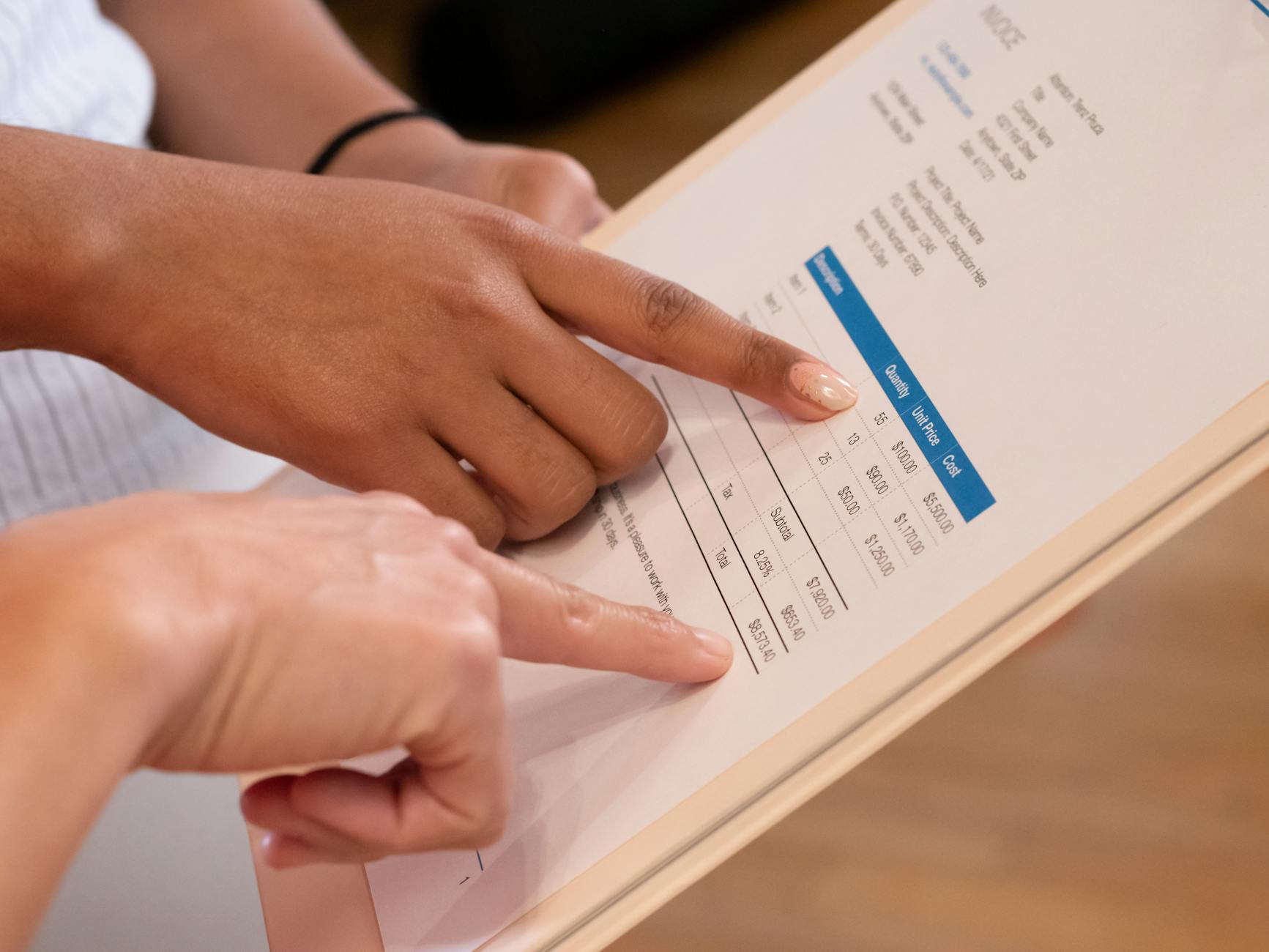
The short answer is that the settlement requires identity verification, not proof of damages. When you submit your claim, you need two things: your Notice ID and PIN, which were sent via email to class members, and a certification — essentially a statement under penalty of perjury that you are who you say you are and that you belong to the class. Your claim form details need to match the data the settlement administrator already has on file. There are no receipts to dig up, no screenshots of the tracking pixels to produce, and no doctor’s notes to submit. This is a meaningful distinction from other types of class action settlements. Compare this to, say, a data breach settlement where you might need to show credit monitoring costs, time spent dealing with fraud, or out-of-pocket losses.
In those cases, the burden is on you to document what went wrong. Here, the burden was on the plaintiffs’ attorneys to establish that the pixel tracking itself was the violation. The settlement assumes that if you were a northwell Health patient during the relevant period and used their digital services, you were affected. That is the entire standard. One practical example: if you used the FollowMyHealth portal in 2021 to check lab results, you do not need to prove that Meta or Google actually received your health data or that anyone at those companies looked at it. The allegation is that the tracking tools transmitted information they should not have. Your use of the portal during the class period is sufficient.
Two Subclasses With Different Benefits — Which One Applies to You
The settlement divides class members into two groups, and which one you fall into determines what you receive. Subclass 1 covers individuals who used Northwell’s FollowMyHealth patient portal between January 1, 2020 and December 31, 2023. If that is you, you are eligible for a $15 cash payment, distributed on a pro rata basis, meaning the actual amount could be slightly more or less depending on how many people file claims. Subclass 2 is broader. It includes all other Northwell Health patients between January 1, 2020 and July 25, 2024 who are not in Subclass 1.
These class members are eligible for a 12-month subscription to a privacy monitoring service rather than a cash payment. This is an important distinction — if you were a Northwell patient who only used the main website but never logged into the FollowMyHealth portal, you fall into Subclass 2 and will not receive cash. However, if you used the FollowMyHealth portal but only after December 31, 2023, you would not qualify for Subclass 1 either. You would need to have used the portal during that specific window. And if you were a patient before January 1, 2020 but not during the class period, you are not part of either subclass. The dates matter here, and the settlement administrator’s records are what determine your eligibility, not your own recollection.
What Happens If You Never Received a Notice ID or PIN
Not everyone who qualifies will have received the email notification. Email addresses change, spam filters catch things, and not every patient had an email on file with Northwell. If you believe you are a class member but did not receive a Notice ID and PIN, you are not out of luck, but you do have an extra step. The settlement provides a dedicated phone line at (833) 360-6887 and an email address at info@NWPixelSettlement.com for exactly this situation. You can contact the settlement administrator to verify your identity and get instructions on how to proceed.
This may involve providing identifying information so they can cross-reference their records. It is not the same as needing to provide proof of harm — it is simply an identity verification process. This is worth doing sooner rather than later. If there is any back-and-forth with the administrator, you want that resolved well before the April 20, 2026 claim deadline. Waiting until the last week to discover you need to verify your identity through the administrator is a good way to miss the window entirely.
Filing Online Versus Paper — What Makes Sense
Claims can be submitted online at [nwpixelsettlement.com](https://www.nwpixelsettlement.com/form/claim/) or via a paper form that you can download from the settlement site and mail in. Both methods are valid, but they come with different practical tradeoffs. Filing online is faster, gives you immediate confirmation that your claim was received, and eliminates the risk of postal delays. You need to complete the submission by 11:59 PM ET on April 20, 2026. If you have your Notice ID and PIN handy, the online form takes a few minutes.
For most people, this is the obvious choice. The paper option exists for people who are not comfortable with online forms or who have issues with the website. If you go this route, your form must be postmarked by April 20, 2026. The risk here is that a postmark does not guarantee delivery, and if your form gets lost in the mail, you have no electronic receipt to fall back on. If you do mail it, consider using certified mail or at least keeping a copy of the completed form for your records.
Common Pitfalls That Could Get Your Claim Rejected
The biggest risk in a no-proof settlement like this is not the documentation — it is the data matching. Your claim form details must match the data the settlement administrator already has on file. If your name, address, or other identifying information has changed since you were a Northwell patient, there could be a mismatch that flags or delays your claim. For example, if you moved since your last Northwell visit, or if you changed your legal name, the information you enter on the claim form might not align with what the administrator has. This does not automatically disqualify you, but it can create friction.
If you anticipate a mismatch, contacting the settlement administrator proactively through the phone number or email address listed above is a smart move. Another common issue in pixel tracking settlements specifically is people confusing which healthcare system they used. Northwell Health operates dozens of facilities across New York, including Lenox Hill Hospital, Long Island Jewish Medical Center, and many outpatient locations. If you received care at a Northwell facility but did not realize it was part of the Northwell system, you might be a class member without knowing it. Conversely, if you assume you are a class member but actually used a different health system’s portal, your claim will not match the administrator’s records.

Why Pixel Tracking Settlements Do Not Require Proof of Harm
The reason these settlements work on a no-proof basis comes down to the nature of the alleged violation. The claim is not that patients suffered identity theft or financial fraud because of the tracking pixels. The claim is that the act of transmitting protected health information to third parties without consent is itself the harm.
Under this theory, every affected patient experienced the same violation regardless of whether anything further happened with their data. This is similar to how statutory damages work in other privacy contexts. You do not need to show that someone read your intercepted mail to establish that intercepting it was wrong. The Northwell settlement treats the unauthorized data transmission as the compensable event, which is why the settlement can offer a flat payment to portal users without requiring individualized proof.
The Broader Trend in Healthcare Pixel Tracking Litigation
The Northwell Health settlement is part of a larger wave of cases targeting healthcare organizations for their use of website tracking technologies. Hospitals and health systems across the country have faced similar allegations, and the pattern is remarkably consistent: a healthcare provider installs standard marketing analytics tools on its website without fully accounting for the fact that those tools transmit data to third parties, and patients argue that this transmission included protected health information. For consumers, the practical takeaway is that if you have used patient portals or healthcare websites in recent years, it is worth checking whether other settlements exist that you might qualify for.
The Northwell case has a final fairness hearing scheduled for April 21, 2026 at 9:30 AM ET at the Kings County Courthouse in Brooklyn, New York. If the court grants final approval, payments and monitoring services should follow. The opt-out and objection deadline is March 23, 2026, for anyone who prefers to preserve their right to pursue individual claims.
Frequently Asked Questions
Do I need to provide medical records or proof of harm to file a claim?
No. This is a no-proof-of-harm settlement. You only need your Notice ID and PIN plus a certification that you are a class member. No receipts, medical records, or evidence of data misuse is required.
What if I did not receive a Notice ID and PIN by email?
Contact the settlement administrator at (833) 360-6887 or email info@NWPixelSettlement.com. They can verify your identity and provide instructions for filing your claim.
How much money will I receive?
If you are in Subclass 1 (used the FollowMyHealth portal between January 1, 2020 and December 31, 2023), you are eligible for approximately $15, though the actual amount is pro rata and may vary. Subclass 2 members receive 12 months of privacy monitoring instead of cash.
What is the deadline to file a claim?
April 20, 2026. Online claims must be submitted by 11:59 PM ET, and paper claims must be postmarked by the same date.
Can I opt out of the settlement and sue on my own?
Yes, but you must submit your opt-out request by March 23, 2026. If you opt out, you will not receive any benefits from this settlement but preserve your right to file an individual lawsuit.
How do I know if I was a Northwell Health patient?
Northwell Health operates numerous facilities across New York, including Lenox Hill Hospital, Long Island Jewish Medical Center, and many outpatient clinics. If you received care at any Northwell facility and used their website or patient portal during the class period, you may be a class member.