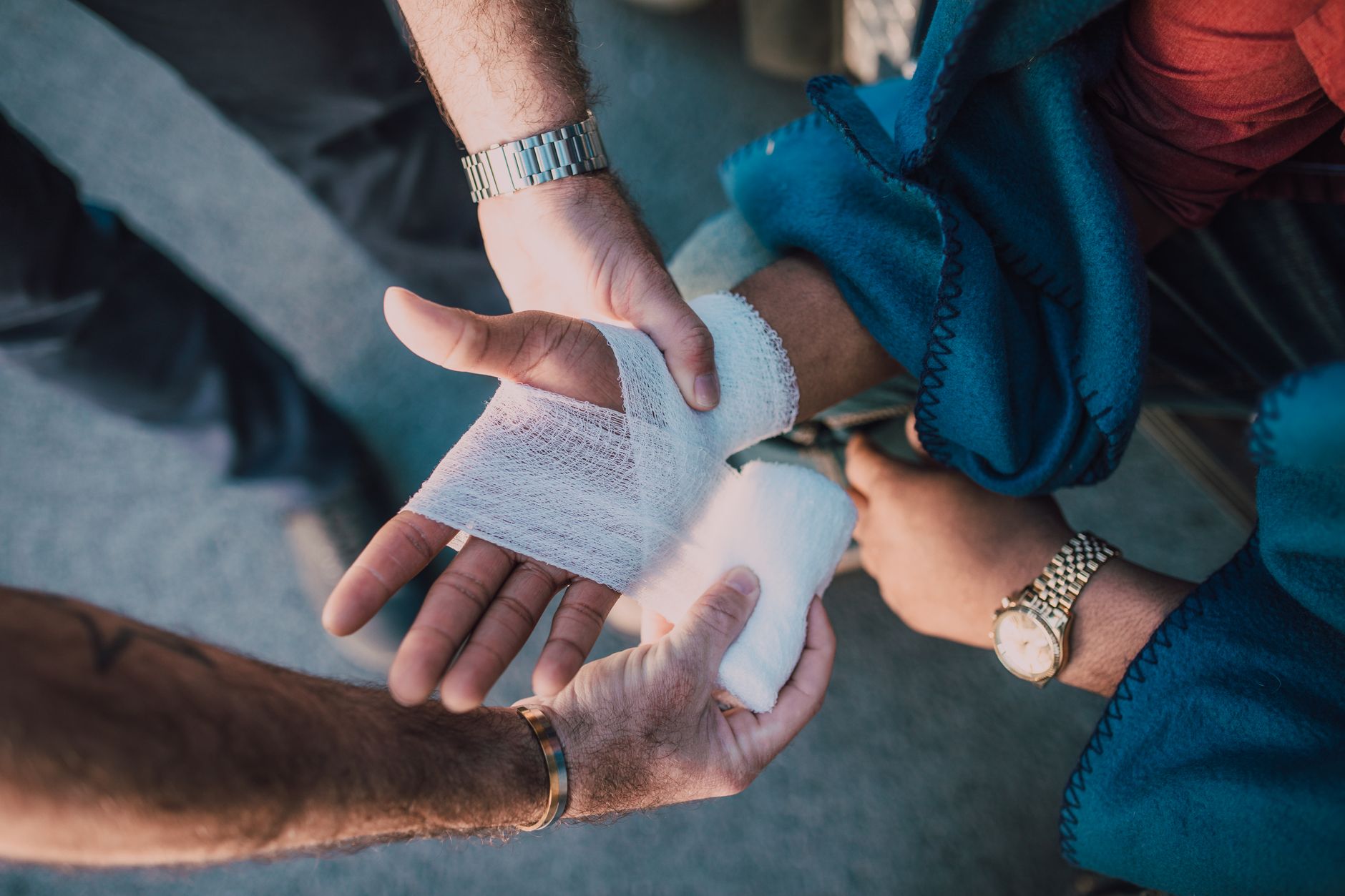
Product-injury litigation is a claim for compensation when a manufacturing, design, or warning defect makes a product unreasonably dangerous. Eligible filers typically show injury, product use, and defect causation, with medical and purchase records, and must meet state deadlines.
Strict liability can hold commercial makers and sellers responsible without proof of negligence. Negligence claims still require duty, breach, defect, causation, and damages. Use the checks below to judge fit, preserve proof, and protect your deadline.
Table of Contents
- Do you qualify to file?
- What proof do you need to save?
- Do recalls decide your case?
- How long do you have to file?
- What should you ask before you file?
Do you qualify to file?
According to the Cornell Legal Information Institute, eligibility generally requires a manufacturing, design, or marketing/warning defect that made the product unreasonably dangerous when sold product liability overview. A manufacturing defect means one unit left the factory unsafe. A design defect means all units share an unsafe design, and a warning defect means labels missed a clear danger.
Restatement materials summarized in 2026 explain the two main paths. Under strict liability, commercial makers and distributors can face liability for a defective product without proof of negligence. A negligence path separately requires duty, breach, defect, causation, and damages. Run this quick screen before you call counsel:.
- You used the product as sold or in a foreseeable way
- You suffered a concrete physical injury, not only a near miss
- You can point to a defect type and link it to the injury
- The seller was a commercial maker, distributor, or retailer
What proof do you need to save?
CPSC reporting guidance shows the core file: product identity, retailer, date, photos, incident description, medical records, purchase records, warnings and labels, and incident reports. Testimony alone rarely carries a case. Counsel usually adds expert analysis tying defect to injury. Consumers, clinicians, and safety entities can file a Report of Harm on SaferProducts.gov.
According to CPSC program materials, CPSC publishes reports after minimum-information and manufacturer-comment steps. That creates a dated record that supports later review. Federal courts screen experts under Rule 702 and Daubert/Kumho. Per the Supreme Court in Kumho Tire, judges admit defect and causation opinions only when based on sufficient facts, reliable methods, and reliable application. Keep the broken product, save packaging, and get prompt medical care that names the product.
Do recalls decide your case?
The FDA defines a Class I recall as one where use of or exposure to a violative product carries a reasonable probability of serious adverse health consequences or death, as stated in its recalls background and definitions. That tag marks the highest-risk category. It helps you prioritize medical follow-up and document screening. For devices, FDA assigns the classification after reviewing the firm's correction-or-removal strategy, under its process updated in January 2025.
An active Class I campaign therefore signals a serious-hazard finding for users of that model. Save the recall notice, model number, lot code, and dates of use. A recall does not prove your individual claim. You still must show you used the recalled unit, suffered matching harm, and link defect to injury. A non-recalled product can still support a claim with strong proof.
How long do you have to file?
Deadlines vary sharply by state. A JD Supra 50-state survey reports commonly about two years for product injury in states such as California, Illinois, and Texas and three years in states such as New York and Connecticut, with separate statutes of repose possible 50-state prescription-product survey. Repose can bar claims after a set time from sale, even without injury yet. Many states use a discovery rule that starts the clock when injury and cause are known or should be known. According to Tenth Circuit discussion in Nowell v.
Medtronic, some product claims lack that tolling. Delayed-discovery cases can therefore still arrive time-barred. Check the filing state, injury date, discovery date, and any repose period now. Do not wait for treatment to end or for a recall to expand. A short call can lock in the correct deadline.
What should you ask before you file?
Ask about theory, parties, proof, timing, and cost in one intake. A focused consult saves months. Bring dates, records, and the product if you still have it.
Ask what to preserve and what to avoid, such as repairs, returns, or social posts about use. Ask how medical history, other causes, and product misuse may affect value. Bring your timeline, product photos, and medical records to that first review.
- What defect theory fits: manufacturing, design, or warning?
- Who are the proper defendants and where must we file?
- What expert is needed for defect and causation?
- What limitation and repose dates apply to my facts?
- What fees, costs, and timeline should I expect?
You Might Also Like
- Vaccine Injury Litigation 2026 Guide: eligibility, proof, and deadlines; Key Facts and Questions to Ask
- Drug Injury Litigation 2026 Guide: eligibility, proof, and deadlines; Key Facts and Questions to Ask
- Birth Injury Litigation 2026 Guide: eligibility, proof, and deadlines; Key Facts and Questions to Ask