

Justin Vineyards & Winery in Paso Robles, California, and its parent company The Wonderful Company LLC, have agreed to pay $1.49 million to settle a sexual harassment lawsuit filed by the U.S. Equal Employment Opportunity Commission (EEOC). The settlement, announced on March 28, 2026, resolves allegations of widespread sexual harassment that persisted for years despite employee complaints.
The case highlights a systemic failure in workplace protections: employees documented recurring, offensive sex-based remarks, unwelcome physical advances, and unwanted touching from supervisors, co-workers, and customers, yet the companies failed to conduct proper investigations or take meaningful corrective action. This settlement is significant for employees and job seekers in the hospitality and wine industry, where power imbalances and customer-facing roles can create particular vulnerability to harassment. The EEOC’s enforcement action underscores that employers cannot ignore harassment complaints or expect the problem to resolve itself, and that retaliation against employees who report misconduct can trigger substantial legal liability.
Table of Contents
- What Happened at Justin Vineyards & Winery?
- Why Did This Harassment Persist for So Long?
- Who Was Targeted and How Did the Harassment Manifest?
- What Does the Settlement Require Going Forward?
- What About Retaliation Claims?
- How Does the Wine Industry Compare to Other Sectors for Harassment Risk?
- What Happens Next for Employees and the Industry?
- Frequently Asked Questions
What Happened at Justin Vineyards & Winery?
Sexual harassment at justin Vineyards & Winery was documented as far back as August 2017, creating a pattern of misconduct spanning years. Female employees, as well as employees in other protected categories, reported unwelcome sex-based remarks, repeated advances, and unwanted physical contact from multiple perpetrators—not just a single supervisor, but co-workers, supervisors, and even customers who visited the Michelin-starred restaurant, tasting rooms, and resort accommodations operated by the facility. The harassment was frequent and offensive in nature, creating a hostile work environment that went unaddressed by company management despite being reported through formal channels. The failure to respond adequately is the crux of the EEOC’s case.
When employees came forward with complaints, Justin Vineyards and The Wonderful Company did not conduct thorough, impartial investigations. Instead of removing harassers from positions of authority or taking corrective action, the companies allowed the behavior to continue, leaving employees vulnerable and signaling that complaints would not be taken seriously. In some instances, employees who reported harassment faced retaliation, further discouraging others from speaking up and compounding the harm. This combination—pervasive harassment plus inadequate response plus retaliation—created legal exposure that resulted in the $1.49 million settlement.

Why Did This Harassment Persist for So Long?
The persistence of harassment at Justin Vineyards illustrates a common dynamic in hospitality and customer-facing industries: power imbalances combined with weak accountability structures allow misconduct to flourish. Restaurant and wine-tasting environments involve hierarchical relationships between managers and staff, and regular interaction with customers who may feel entitled to behave as they wish. When companies lack clear, accessible complaint procedures or fail to train supervisors on their legal obligations, employees internalize the message that reporting will be futile or may even put their jobs at risk—a concern that became reality here when retaliation occurred.
However, if a company has strong anti-harassment policies, trains all employees and supervisors, establishes multiple ways to report problems (anonymous hotlines, HR, designated neutral parties), and follows through with prompt, impartial investigations, the risk of sustained harassment diminishes significantly. Justin Vineyards and The Wonderful Company failed on these fronts. The settlement amount—$1.49 million—reflects not just the harm to individual employees but also the company’s deliberate indifference to known problems. This is a limitation that smaller employers sometimes cite (claiming they cannot afford comprehensive compliance programs), but federal law does not provide a cost exemption; even modest-sized businesses must implement basic safeguards or face liability.
Who Was Targeted and How Did the Harassment Manifest?
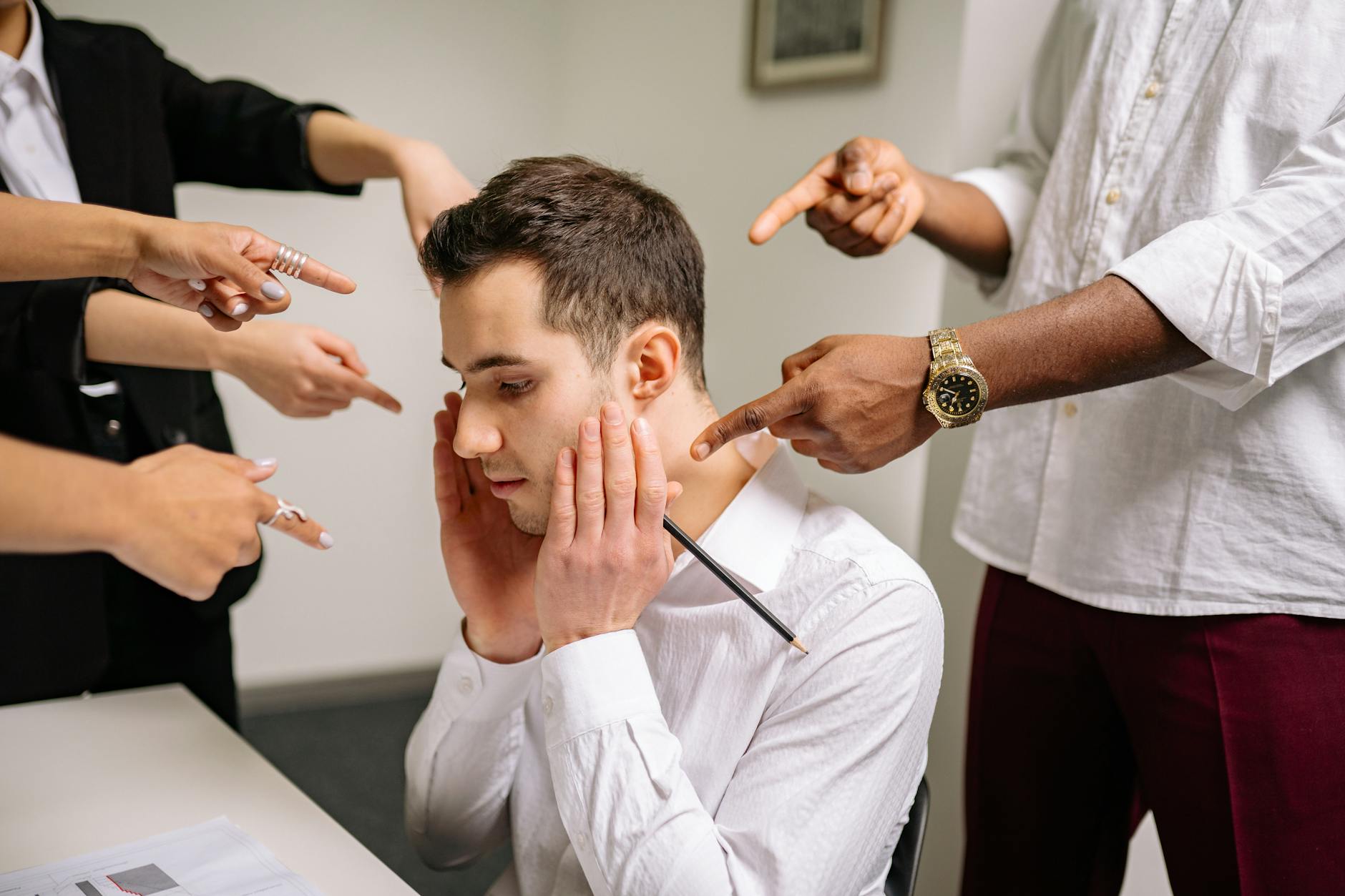
The harassment at Justin Vineyards was not random or isolated incidents. It was systematic and sex-based, meaning it targeted employees based on their gender or sex, which is a violation of Title VII of the Civil Rights Act. The perpetrators included supervisors (people with direct authority over victims), co-workers (peers who created a hostile environment), and customers (visitors to the tasting rooms and restaurant). For example, a female employee might encounter sex-based remarks from a supervisor during a shift, then face unwanted advances or comments from a customer later in the same day, with no management intervention after either incident.
This multi-source harassment is particularly insidious because it gives victims few safe spaces at work. Unlike a scenario where one supervisor is the problem and can be disciplined or removed, harassment coming from supervisors, peers, and customers creates a pervasive hostile environment. Victims cannot simply avoid the harasser because the harassment is baked into the workplace culture. The EEOC’s settlement reflects the seriousness of this dynamic: the company is responsible not only for supervisor harassment but also for failing to control the behavior of co-workers and to establish boundaries with customers. The settlement includes compensation for all affected employees, back pay where applicable, and requirements for future compliance and training.
What Does the Settlement Require Going Forward?
The $1.49 million payment covers compensation to affected employees, but the settlement likely includes forward-looking obligations as well. Based on typical EEOC settlements, Justin Vineyards and The Wonderful Company are expected to implement or strengthen anti-harassment policies, conduct mandatory training for all employees and managers, establish clear and accessible reporting procedures, and implement monitoring to prevent future misconduct. The EEOC typically requires employers to retain an independent compliance monitor for a period of time to ensure the company follows through on these commitments. The practical burden on the company is substantial but necessary.
For employees, the key benefit is that the settlement creates a legal record and ongoing oversight. If the company fails to comply with settlement terms or if harassment continues and is not properly addressed, employees have a stronger case for additional legal action. For job seekers considering whether to apply to Justin Vineyards after the settlement, the existence of a federal enforcement action and agreed-upon compliance measures is a warning sign that the workplace culture needs time to change. Many employers in this situation take the settlement as a wake-up call and improve their practices; others view it as a cost of doing business and do not meaningfully change. Employment reviews, conversations with current or former employees, and requests for information about the company’s diversity and inclusion efforts can help job seekers assess whether real change has occurred.
What About Retaliation Claims?
Retaliation is a particularly serious legal issue, and the EEOC settlement addresses this explicitly. Federal law prohibits employers from retaliating against employees who report harassment, file complaints, participate in investigations, or oppose discriminatory practices. At Justin Vineyards, employees who reported sexual harassment faced retaliation, meaning they were punished—through discipline, exclusion, reduced hours, negative evaluations, or termination—for complaining. Retaliation claims often result in larger damage awards than the underlying harassment itself, because the law views them as a betrayal of trust and a violation of the employee’s right to seek protection.
However, retaliation claims require proof of causation: the employee must show that the adverse action (loss of hours, termination, etc.) occurred after the protected complaint and that the timing and circumstances suggest the complaint was the reason. Some employers claim that the negative action was unrelated, and in cases where documentation is weak, proving retaliation can be difficult. In this settlement, the EEOC brought the case on behalf of employees, so the agency had to establish both harassment and retaliation. The settlement amount of $1.49 million suggests the evidence of both claims was strong. For other employees experiencing retaliation after reporting harassment, documenting the timeline of complaints and negative actions is critical for any future legal claim.
How Does the Wine Industry Compare to Other Sectors for Harassment Risk?
Sexual harassment in the wine and hospitality industry is documented at rates comparable to or higher than other customer-facing sectors. Research by industry organizations and worker advocacy groups consistently identifies harassment as a problem in restaurants, hotels, wineries, and bars—settings where customer service roles, alcohol consumption, and traditional power hierarchies (back-of-house staff, management hierarchy) converge. The Justin Vineyards case is not an isolated incident; it is one of many settlements and judgments involving harassment in hospitality.
The wine industry specifically has become a focus of anti-harassment initiatives in recent years. Some wineries and hospitality groups have implemented zero-tolerance policies and strong training, while others have been slower to change. The settlement at Justin Vineyards is a signal that even established, upscale operations with Michelin recognition are not exempt from accountability. For employees considering careers in wine, hospitality, or customer service, understanding that harassment is a known risk in these industries is important for evaluating employers and knowing your rights.
What Happens Next for Employees and the Industry?
The March 28, 2026 settlement is public, which means it will likely influence other companies in the wine and hospitality sectors to review and strengthen their own policies. Competitors and industry peers often take note when a well-known establishment faces a major settlement, because it raises the profile of the issue and increases the likelihood that other victims will come forward or file claims elsewhere. The EEOC and employment attorneys will likely use this settlement as a reference point in other pending cases.
For the affected employees at Justin Vineyards, the settlement represents both vindication and a beginning: compensation for harm already suffered, and the promise (through settlement terms) that future employees will have better protections. The long-term impact depends on whether the company genuinely implements the required changes or merely complies on paper. The wine industry as a whole has an opportunity to learn from this case that ignoring harassment complaints and retaliating against those who report misconduct is not only unethical but also financially and legally untenable.
Frequently Asked Questions
How much compensation will individual employees receive from the $1.49 million settlement?
The EEOC settlement will be distributed among all affected employees. The exact amount per employee depends on factors such as the severity and duration of harassment they experienced, back pay owed, and attorney fees. Affected employees typically receive notification from the EEOC or the company’s legal team with payment details. Some may receive additional compensation if they have separate lawyers representing them.
Can I still file my own lawsuit if I was harassed at Justin Vineyards?
If you were harassed and the EEOC has already settled the case, you generally cannot file a separate lawsuit against the company for the same conduct. However, if you experienced different or additional harassment not covered by the settlement, or if you can show you were not adequately notified of the settlement, you may have other options. Consult with an employment attorney to review your specific situation.
What should I do if I’m currently experiencing sexual harassment at my workplace?
First, report the harassment to your manager, HR, or a designated compliance hotline, preferably in writing. Keep a copy of your report. Document the harassment (dates, what happened, who was present). If the company does not address it within a reasonable timeframe, file a complaint with your state’s employment agency or the federal EEOC (at eeoc.gov). Consider consulting an employment attorney, who can advise you on your rights and options. Do not resign unless it is unsafe to remain; quitting can complicate future claims.
Does the settlement mean Justin Vineyards admits to wrongdoing?
Settlements typically involve a “no admission of liability” clause, meaning the company does not formally admit guilt. However, the payment and agreed-upon compliance measures indicate that the EEOC had a strong case and that the company concluded settlement was preferable to litigation. For legal and practical purposes, a $1.49 million settlement signals that serious misconduct occurred and the company’s response was inadequate.
Is Justin Vineyards still operating, and will they change their workplace policies?
Yes, Justin Vineyards continues to operate in Paso Robles. The settlement requires the company to implement or strengthen anti-harassment policies, training, and reporting mechanisms. Changes can take time, and the EEOC typically monitors compliance for a set period. If you are considering employment there, ask about their anti-harassment training and reporting procedures as part of your interview process.
Where can I find more information about this settlement or file my own complaint?
The EEOC’s official newsroom (eeoc.gov/newsroom) has published details about this case. If you believe you experienced harassment at Justin Vineyards or another employer, file a charge with the EEOC online at eeoc.gov or by contacting your local EEOC office. You can also consult with an employment attorney who specializes in harassment and discrimination cases.