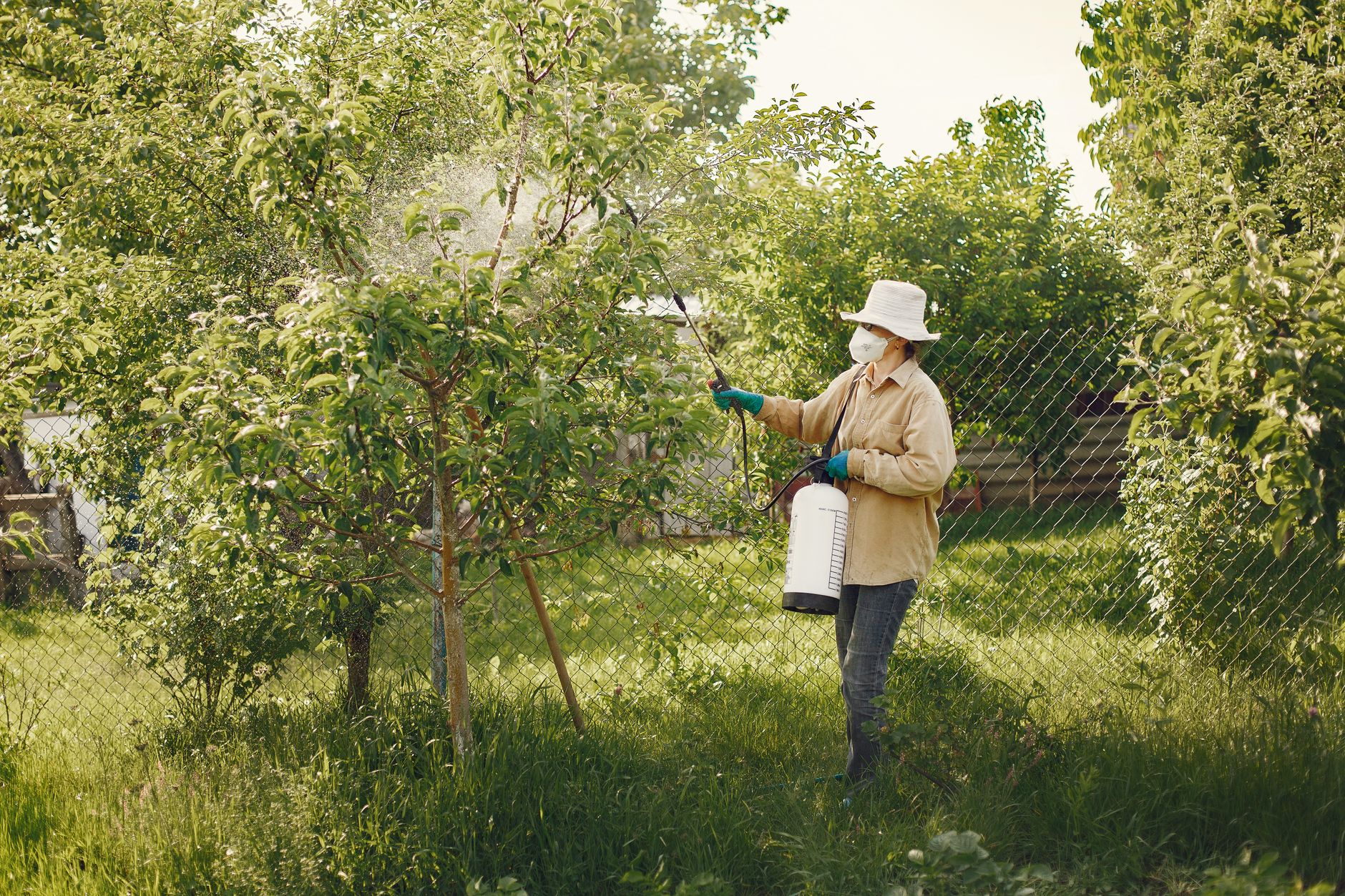
There is no finalized per-person settlement amount in the paraquat Parkinson's cases as of November 2026. Published figures of $20,000 to $1.5 million and $100,000-$150,000 averages are attorney estimates only, according to the DrugWatch DrugWatch settlements page. Paraquat is a pesticide, and the lawsuits allege repeated exposure caused Parkinson's disease in farmers, agricultural workers, landscapers and applicators.
Federal cases are consolidated as In re: Paraquat Products Liability Litigation, MDL No. 3004, in the Southern District of Illinois before Chief Judge Nancy Rosenstengel. The Judicial Panel on Multidistrict Litigation statistics report dated Nov. 2, 2026 lists 6,635 pending actions and 8,529 total actions, showing large-scale claims remain active Judicial Panel statistics report.
Official resources:
- Explore the official data from Uscourts — Use this primary source to review the underlying data.
- Explore the official data from Epa — Use this primary source to review the underlying data.
Table of Contents
- Where do settlement talks stand?
- Who is bringing these claims?
- What science sits behind the dispute?
- What can exposed workers do now?
Where do settlement talks stand?
The parties signed a confidential master settlement framework in August-September 2025. No public payout grid or per-person amount was disclosed, according to AboutLawsuits AboutLawsuits MDL settlement coverage. On June 12, 2026, the MDL judge ordered plaintiffs rejecting the deal to meet individually with the special master.
Trial proceedings stayed in place while those meetings moved forward. Hundreds of plaintiffs had rejected settlement offers by October 2026, AboutLawsuits reported. No final global resolution covers all claimants, so stronger cases may seek more through continued litigation.
Who is bringing these claims?
Defendants are primarily Syngenta and Chevron. Plaintiffs are farmers, agricultural workers, landscapers and applicators. The core allegation is repeated paraquat exposure, not a single brief contact.
Work involving mixing, loading, spraying or regular field exposure fits the pattern described in the litigation. Claim value is not fixed by a public grid. Cases that document longer repeated exposure, clear product identification and a Parkinson's diagnosis after exposure are positioned to seek more than early discounted offers.
What science sits behind the dispute?
NIH-funded FAME research found people using paraquat or rotenone developed Parkinson's about 2.5 times more often than nonusers, according to the National Institutes of Health NIH study notice. Plaintiffs cite that finding as central support. EPA's 2021 interim decision found no clear link between labeled paraquat use and Parkinson's or cancer.
On Nov. 13, 2025, EPA reopened volatilization review and sought more manufacturer data. Syngenta said March 3, 2026 it will end worldwide paraquat production by late June 2026 for business reasons. The company maintains paraquat is safe as labeled.
What can exposed workers do now?
Focus on proof of repeated exposure and medical timing. Useful records include job history, seasons and locations of pesticide work, and Parkinson's diagnosis and treatment dates.
Bring those records to a case review promptly. Do not accept that an early estimate guarantees a final payment, because hundreds of offers were already rejected and terms remain confidential.
- Work history showing repeated paraquat mixing, spraying or field exposure
- Employer, farm, contractor or landscaping records naming products, years and duties
- Parkinson's diagnosis, neurology visits and prescription history after exposure began
Source
Full case details, deadlines and official links: Paraquat Parkinson's Lawsuit 2026 — Where It Stands on OpenClassActions.com.