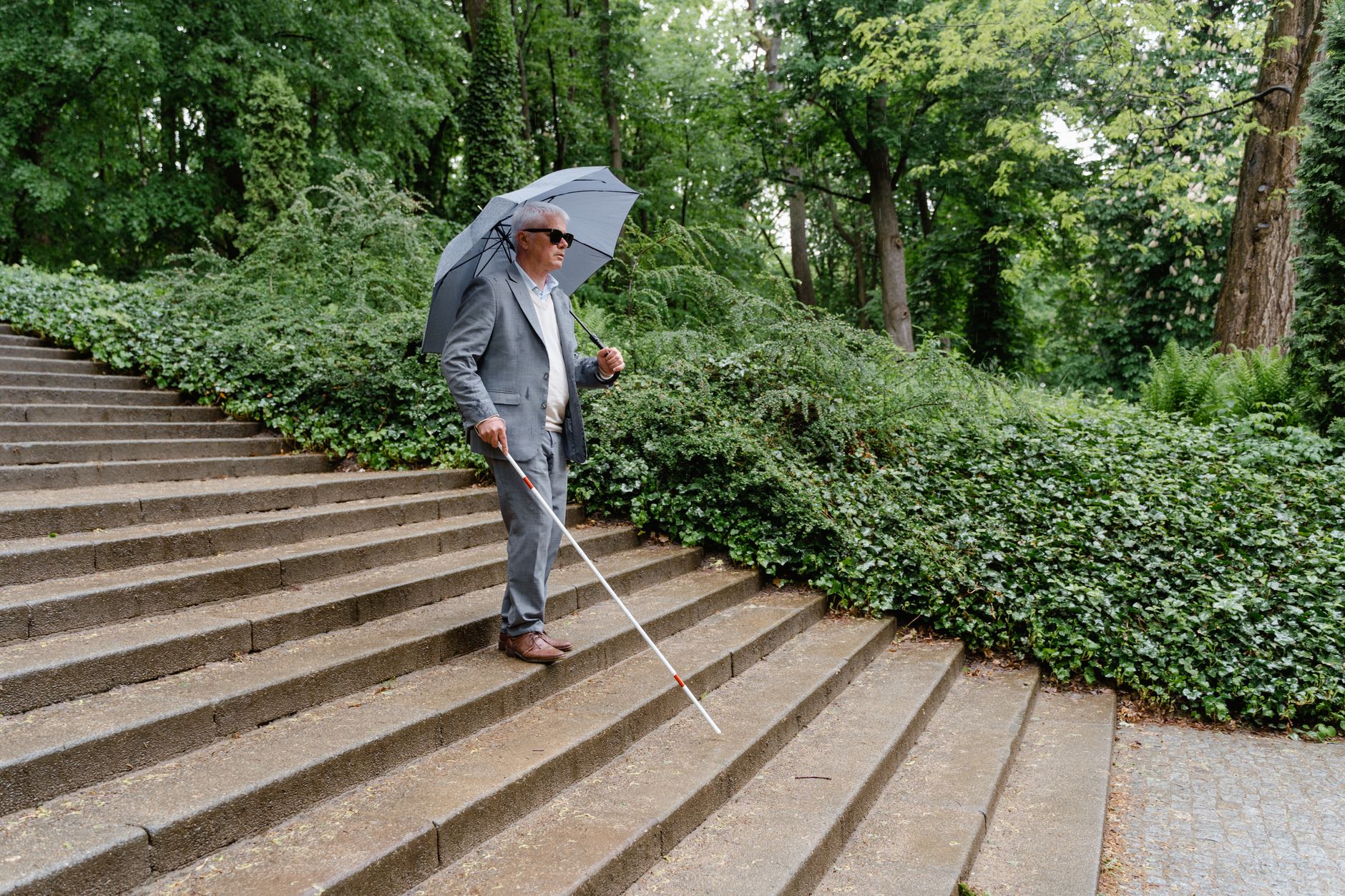
You may qualify if you took a GLP-1 drug such as Ozempic and later developed NAION with vision loss. The core proof in these cases is pharmacy or prescription records plus an eye doctor's NAION diagnosis after use. NAION means nonarteritic anterior ischemic optic neuropathy. It acts like an "eye stroke" where reduced blood flow to the optic nerve causes sudden, painless, often permanent vision loss, typically in one eye.
Official resources:
- Read the official notice from Govinfo — Use this primary source to verify the official announcement.
- Read the official guidance from FDA — Use this primary source to verify the official guidance.
Table of Contents
- Which drugs and injuries are involved?
- What evidence raised the concern?
- Who are lawyers screening for claims?
- Where are federal lawsuits now?
- What should you collect and do next?
Which drugs and injuries are involved?
The claims focus on NAION and related vision loss after GLP-1 receptor agonist use. According to the FDA, reported cases cover all currently marketed GLP-1 products, including Ozempic, Wegovy, Rybelsus, Mounjaro, Zepbound, Trulicity and others.
The lawsuits allege patients took a prescribed GLP-1 drug, then developed NAION without adequate warning. That makes timing central: documented GLP-1 use before the eye injury, followed by a clinical NAION diagnosis.
What evidence raised the concern?
In 2024, Mass Eye and Ear and Harvard researchers analyzed 16,827 neuro-ophthalmology patients. As summarized by the Endocrine Society, they reported about 4.3-fold higher NAION hazard with semaglutide in diabetes and about 7.6-fold in overweight or obesity cohorts, in Endocrine Society coverage of the findings. A later systematic review reached a smaller estimate.
It found semaglutide linked with roughly doubled NAION hazard in type 2 diabetes, HR 2.17. On Nov. 9, 2026, the FDA required makers of all GLP-1 receptor agonists to add potential increased NAION risk to the Warnings and Precautions section, according to the agency's FDA Drug Safety Communication.
Who are lawyers screening for claims?
Screening centers on two records: proof you received the drug and proof an ophthalmologist diagnosed NAION after use. A firm handling these cases describes that combination as the key qualification evidence.
People who best fit the pattern generally report: People with other eye diagnoses, vision loss before GLP-1 use, or no prescription record face a harder path. Only the medical chart can separate NAION from cataracts, diabetic retinopathy, glaucoma, or other optic-nerve disease.
- A prescription and dispensing history for Ozempic or another named GLP-1
- Regular use before vision symptoms began
- A sudden, painless loss or dimming of vision, usually in one eye
- An ophthalmologist or neuro-ophthalmologist diagnosis stating NAION
- Medical records linking ongoing care, referrals, scans, or vision testing to that event
Where are federal lawsuits now?
Federal NAION suits were centralized Dec. 15, 2025 as MDL 3163, In re GLP-1 RAs NAION Products Liability Litigation. The cases sit in the Eastern District of Pennsylvania before Judge Karen S.
Marston, according to the federal court transfer record. Centralization does not decide who wins or create a class payment. It moves similar federal cases into one court for shared evidence work, while each person must still prove use, injury, and failure to warn.
What should you collect and do next?
Start with records before memories fade. Ask the pharmacy for dispensing logs, keep the pill bottle or injector box, and request eye-clinic notes, visual-field tests, imaging, and referral letters. Write a short timeline with start date, dose changes, first vision symptoms, emergency or eye visits, and work limits from vision loss.
Save receipts for copays, travel, glasses or aids, missed work, and help at home. The studies are observational and cannot prove causation, absolute NAION risk remains very low, and makers dispute causation. As reported by Being Healthy News, experts advise not stopping a prescribed GLP-1 without a doctor while seeking urgent care for sudden vision changes, in its report on the lawsuits and medical guidance.