
As of late March 2026, a Los Angeles jury has not yet reached a verdict in what may be the most consequential social media lawsuit in years—a trial that will likely determine whether technology giants like Meta and Google can be held legally responsible for designing addictive features that harm young people’s mental health. After more than two weeks of deliberation, the 12-person jury continues to work through one of the most complex questions facing the tech industry: whether platforms intentionally engineered their algorithms and notification systems to maximize user engagement, regardless of psychological consequences. This single case could reshape how thousands of pending lawsuits proceed and whether social media companies face real accountability for the mental health crisis affecting teenagers and young adults.
The trial, which began in early February 2026, centers on a 20-year-old woman identified in court as “Kaley GM,” who alleges that Meta (Facebook and Instagram) and Google (YouTube) employed deliberately addictive design practices that contributed to severe depression, anxiety, and other mental health disorders. What makes this case historic is that it represents the first major jury trial to test whether social media platforms bear legal responsibility for harm caused by their design decisions—not user content, but the platforms’ own architectural choices. With over 2,000 similar lawsuits waiting in the wings for this verdict, the outcome will determine whether Meta, Google, and other tech companies can be forced to pay damages or redesign their platforms to be less psychologically harmful.
Table of Contents
- Why This LA Trial Is Being Called a “Landmark” Social Media Case
- The Jury’s Struggle and What It Reveals About This Case’s Complexity
- The New Mexico Verdict Changes Everything
- Over 2,000 Pending Lawsuits Hinge on This Verdict
- Why This Case Focuses on Meta and Google, Not TikTok or Snapchat
- The Timeline of Related Trials Scheduled for 2026
- What Happens After the LA Verdict and What It Means for Social Media Going Forward
Why This LA Trial Is Being Called a “Landmark” Social Media Case
The Los Angeles trial is unprecedented because it’s the first case to reach a jury verdict stage on the question of whether social media platforms themselves—not individual users, not third-party content creators, but the companies’ own design practices—can be held liable for mental health harm. Previous litigation against tech companies has typically focused on specific harmful content, failure to moderate, or privacy violations. This case, however, attacks the business model itself: the algorithmic feeds, infinite scroll, notification systems, and engagement metrics that social media platforms deliberately designed to be psychologically compelling. The legal argument is straightforward on its surface but extraordinarily complex in execution. The plaintiff’s legal team argues that meta and Google knew their platforms were addictive, understood the mental health risks, and chose profit over safety anyway.
The defendants, of course, argue that users freely choose to use their platforms, that mental health factors are multifaceted, and that the company cannot be held responsible for every individual’s psychological response to social media use. The jury’s job is to weigh whether the evidence proves that the platforms’ design decisions constituted negligence, strict liability, or another legal theory of harm. What distinguishes this trial is the volume of expert testimony, internal company documents, and user data presented to the jury. Dozens of psychologists, neuroscientists, and former tech employees have testified about how social media platforms function and their known effects on the developing brain. This type of evidence has never before been presented to a jury at this scale in a social media case, which is why legal experts describe the outcome as potentially precedent-setting for consumer protection law.
The Jury’s Struggle and What It Reveals About This Case’s Complexity
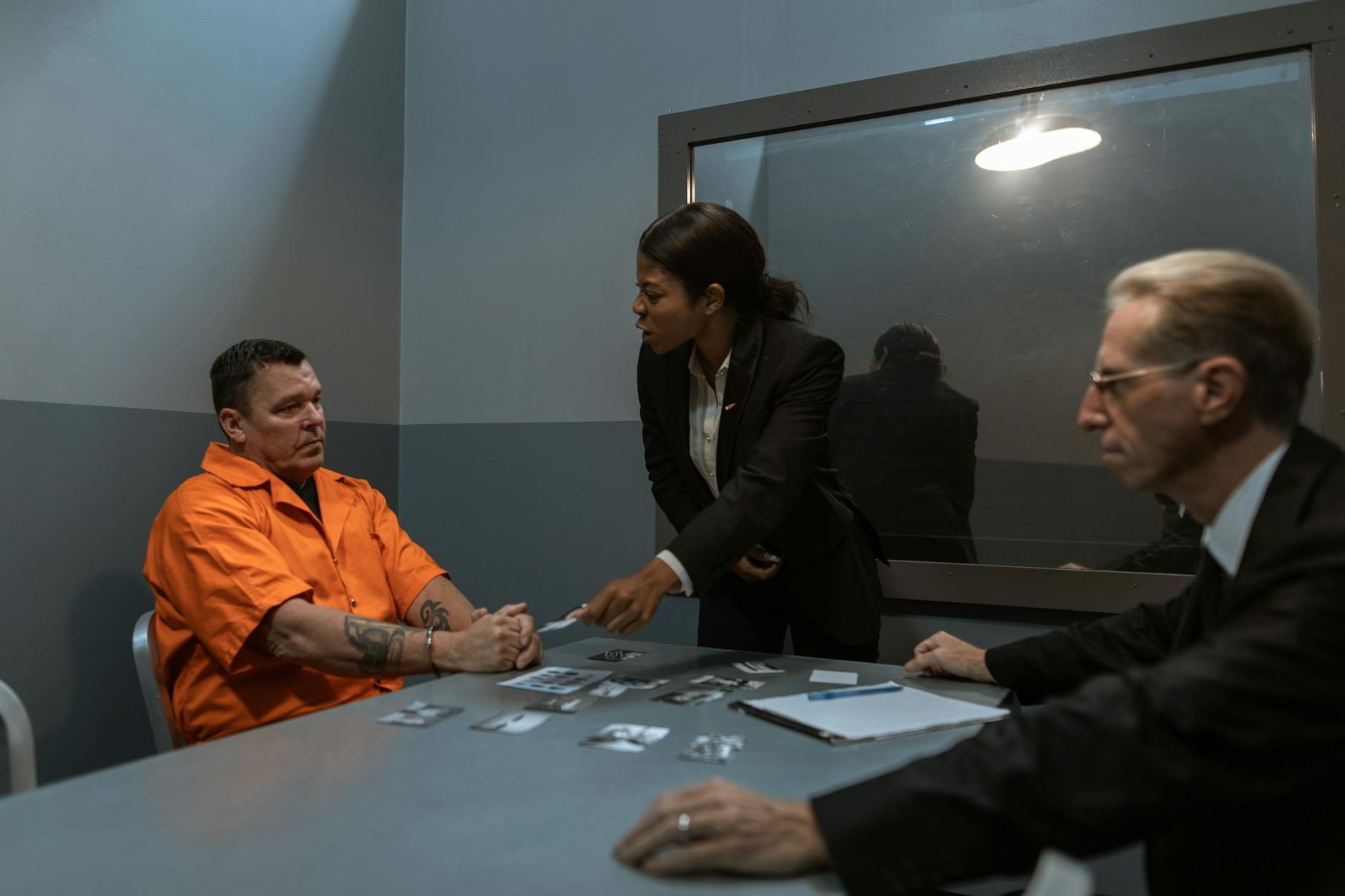
Since March 12, 2026, the jury has been deliberating for nearly six hours per day, and as of March 24, they informed the judge that they were experiencing difficulty reaching a verdict on at least one of the defendants. The judge’s response—instructing jurors to continue deliberating—is standard legal procedure when a jury signals deadlock, but it also reveals how genuinely difficult jurors find this case. The evidence they’ve reviewed doesn’t neatly fit traditional legal templates for liability. social media use is voluntary; the harms alleged are psychological rather than physical injury; and causation between platform design and individual mental health outcomes is notoriously hard to prove. However, if the jury were to have found the case easy to decide, that itself would be noteworthy. The fact that deliberations have stretched into multiple weeks suggests jurors are genuinely wrestling with competing narratives and evidence.
One jury might find the internal company documents (discussing engagement strategies and their effects on user psychology) to be damning proof of intent to cause harm. Another jury might view the same documents as ordinary business strategy that doesn’t necessarily prove negligence. The length of deliberations indicates that at least some jurors are not convinced by a simple narrative on either side. The jury’s difficulty also underscores a broader legal problem: the law has not yet caught up to the question of corporate responsibility for psychological harm caused by product design. Plaintiffs’ attorneys are trying to fit social media addiction into existing legal frameworks developed for physical injuries, environmental contamination, or product defects. The result is a case that feels both compelling and legally unprecedented, which is precisely why this verdict matters so much.
The New Mexico Verdict Changes Everything
On March 25, 2026—just as the LA jury continued to deliberate—a jury in New Mexico made history by reaching a verdict that provides a significant signal about what juries nationwide may decide. That jury found Meta liable for harm to children’s mental health and imposed a $375 million penalty. This verdict, the first jury award in the 2026 wave of social media trials, demonstrates that at least some juries are willing to hold platforms accountable and that the damages they impose are substantial. The New Mexico verdict does not directly control the LA case; juries are independent decision-makers, and New Mexico’s legal standards may differ from California’s.
However, the precedent is powerful. If New Mexico jurors were convinced by the evidence of Meta’s liability, California jurors hearing similar evidence might be similarly convinced. Conversely, if the LA jury deadlocks or votes in Meta’s favor, it would signal that this theory of liability is not as universally persuasive as the New Mexico outcome suggests. The outcome of the LA trial will likely influence how the third jury—the one hearing the May 11, 2026 trial—approaches their deliberations.
Over 2,000 Pending Lawsuits Hinge on This Verdict
The true consequence of the LA trial extends far beyond one plaintiff. More than 2,000 similar lawsuits filed against Meta, Google, and other social media platforms are essentially paused, awaiting this verdict. In the legal system, when a “bellwether” case (a trial selected to test a legal theory) reaches a jury verdict, it often determines the trajectory of thousands of related cases. If the LA jury finds Meta and Google liable, most of the 2,000-plus pending cases would likely settle for substantial sums, because defendants would recognize that juries are willing to hold them accountable.
If the LA jury votes in the defendants’ favor, many of those cases might be dismissed or settled for nominal amounts, since plaintiffs would have lost their main legal precedent. The practical impact is enormous. Young people and parents who believe social media harmed their mental health have filed these cases expecting that a successful bellwether trial would eventually deliver compensation. The LA verdict will determine whether that expectation is realistic or whether the legal theory of holding platforms liable for addictive design fails to gain traction with juries. Additionally, a finding of liability could trigger regulatory action, legislative reform, or platform redesigns—outcomes that would affect millions of social media users who never participated in litigation.
Why This Case Focuses on Meta and Google, Not TikTok or Snapchat
One nuance in these early trials is that the cases are targeting Meta (Facebook, Instagram) and Google (YouTube), not TikTok, Snapchat, or other newer platforms that are arguably more explicitly designed for engagement and are used heavily by teenagers. The reason is partly historical—Facebook and Instagram have been around longer and have more documented evidence of internal design decisions and their intended effects. Additionally, many of the plaintiffs grew up with Facebook and Instagram as primary social media platforms, making causation arguments more straightforward than they would be for TikTok, where the user base and competitive dynamics are different.
However, if the LA verdict holds Meta and Google liable for addictive design, it will immediately raise questions about whether TikTok, Snapchat, and other platforms face similar liability. TikTok’s algorithm is famously potent at keeping users engaged, and the platform has faced legislative scrutiny precisely because of its addictive properties. A successful verdict against Meta and Google could set a precedent that extends to any platform designed with user engagement as a primary metric. Conversely, if Meta and Google prevail in the LA trial, they may argue that newer, more explicitly engagement-focused platforms are even less culpable because the legal standard for platform liability was not met.

The Timeline of Related Trials Scheduled for 2026
The March 25 New Mexico verdict was not the first social media trial in 2026, and it won’t be the last. Court dockets show additional trials scheduled for mid-March and May 11, 2026, creating a rapid sequence of jury decisions on the same core question. This compressed timeline is unusual in civil litigation; typically, significant new legal theories are tested in one or two trials over several years, with appellate decisions shaping subsequent cases. In this instance, multiple juries will be weighing the evidence nearly simultaneously, which means early verdicts could influence jurors in later trials who are aware of outcomes in previous cases.
This fast-paced trial schedule also puts pressure on both plaintiff and defense attorneys. The evidence, legal arguments, and jury selections in the LA trial will be scrutinized by teams preparing for subsequent trials. If one side develops a particularly effective strategy, it will be refined and deployed in the next trial. If a jury verdict goes unexpectedly, attorneys on both sides will adjust their approaches, potentially leading to different outcomes in later cases.
What Happens After the LA Verdict and What It Means for Social Media Going Forward
The LA jury’s eventual verdict—expected within days or weeks of the date this article is published—will have immediate ripple effects. If the verdict favors the plaintiff, Meta and Google will likely appeal, triggering years of appellate litigation. However, such an appeal would not prevent the 2,000-plus pending cases from moving forward; many would likely settle or proceed to trial with the LA precedent in their favor. If the verdict favors the defendants, plaintiff attorneys will analyze the jury instructions and evidence presentation to determine whether the case was lost due to weak evidence or weak legal strategy, potentially refining their approach for future trials.
Beyond the immediate legal consequences, the verdict will influence how social media platforms approach product design and regulation. If platforms are found liable for addictive design, they may face pressure to redesign feeds, limit notifications, or implement engagement guardrails, similar to European regulatory efforts under the Digital Services Act. Conversely, if platforms prevail, it will signal that the addictive-design theory of liability is not viable under current law, and reform would need to come from legislation rather than litigation. Either way, the LA trial has already achieved something significant: it has forced a jury to seriously consider whether technology companies bear responsibility for the psychological consequences of their design choices—a question society has been avoiding for over a decade.
Sources
- Meta & YouTube Lose First Social Media Addiction Trial — continuing news coverage of this case, from our sister site OpenClassActions.com.
You Might Also Like
- No Verdict Yet in Case That Could Affect Social Media Regulation
- Jury Continues Deliberations in Case That Could Shape Future Lawsuits
- No Verdict Yet in Case That Could Influence Big Tech Litigation
Open Settlements You Can Claim Now
Browse current class action settlements accepting claims — several require no proof of purchase: