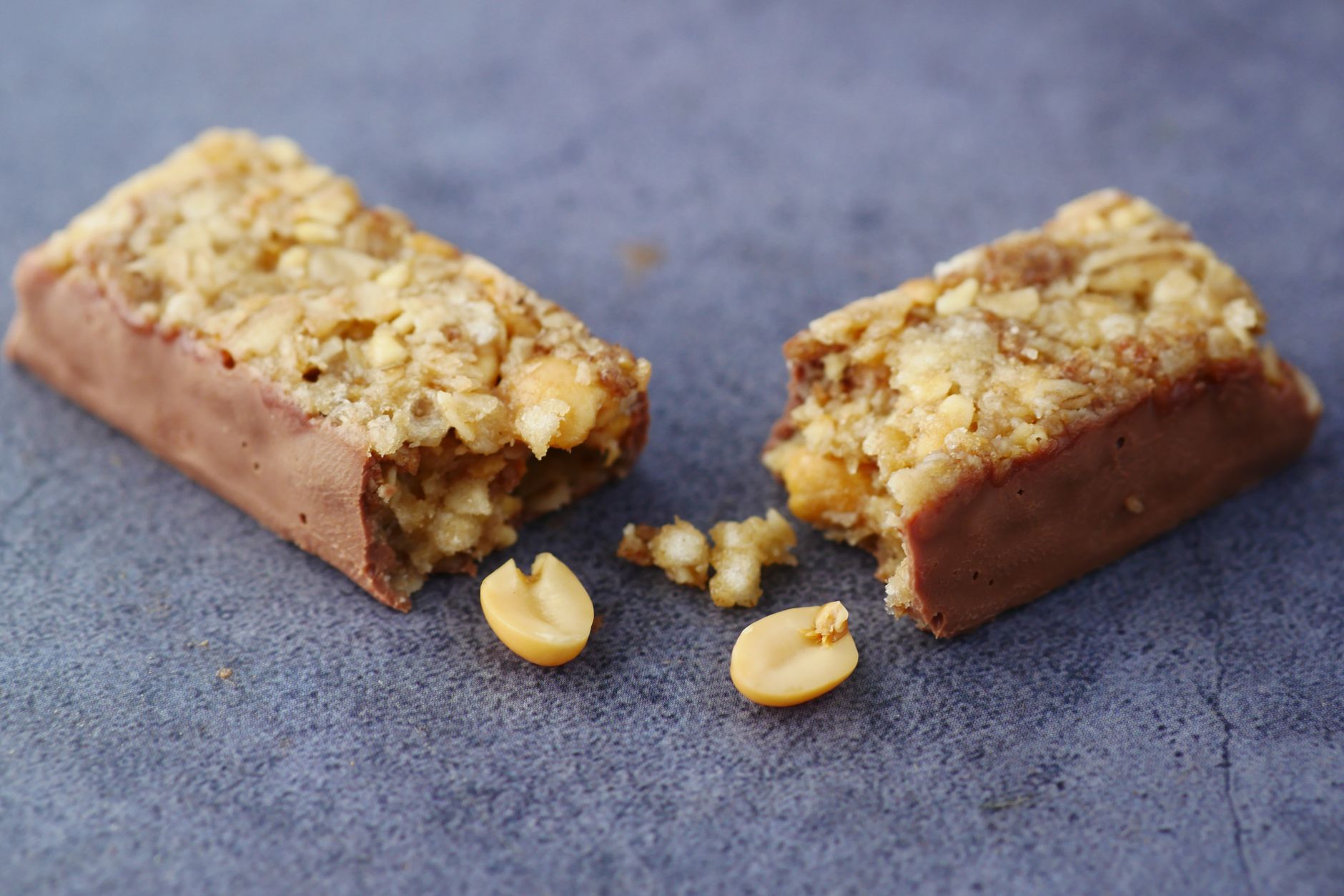
The Quest bar erythritol lawsuit is not asking for compensation for heart attacks or strokes. It is a consumer case about what buyers paid. The proposed class action, filed September 23, 2026 in federal court in California, says Quest Nutrition, LLC markets its protein bars, cookies, candy and bake shop products as healthy and made with “only quality ingredients” while staying silent about erythritol, a sweetener that recent research has linked to cardiovascular risk. The plaintiff wants the price premium back for buyers. Quest has not responded, nothing has been proven, and there is no money available.
Status: lawsuit filed September 23, 2026 in the U.S. District Court for the Central District of California | Case: Colby v. Quest Nutrition, LLC, No. 2:26-cv-10907 | No settlement — nothing to claim yet
Not Another Sugar Case
Most of the 2026 food-label suits over sweeteners have been about allulose and whether a product can be called “zero sugar” or “no added sugar.” The Quest complaint is built differently. It does not argue that erythritol is secretly a sugar. Its theory is that erythritol carries a health question serious enough that a brand selling itself on nutrition and quality ingredients should not leave it unmentioned.
Erythritol is a sugar alcohol common in low-sugar and “keto” foods. It remains a permitted food ingredient in the United States. The complaint itself calls its safety the subject of “serious, credible, and unresolved scientific controversy.” That framing matters: the plaintiff does not have to prove erythritol is dangerous, as a personal injury plaintiff would, only that the risk is material to a shopper paying for a health-focused snack.
The Research the Complaint Cites
| 2023, Nature Medicine | A study of more than 4,000 people in the U.S. and Europe, from Dr. Stanley Hazen’s team at the Cleveland Clinic, found those with the highest blood erythritol levels had roughly twice the risk of a heart attack, stroke or death over three years. In lab and animal tests, erythritol made platelets easier to activate. A single erythritol-sweetened drink raised volunteers’ blood levels more than 1,000-fold, and levels stayed above the point tied to those platelet effects for at least two days. |
| 2024 follow-up | In healthy volunteers, the same platelet effect appeared with erythritol but not with glucose. |
| 2025, Journal of Applied Physiology | A University of Colorado Boulder study exposed human brain blood-vessel cells to erythritol and reported changes linked to narrower vessels and weaker clot breakdown. |
None of this proves erythritol causes heart attacks or strokes. The 2023 findings show an association, and no court has weighed any of the research in this case.
What Quest Says About Its Snacks
According to the complaint, Quest’s marketing includes lines such as “only quality ingredients,” “athlete-worthy nutrition,” “big on protein, low on sugar and huge on flavor,” and “Quest Nutrition is on a mission to make the foods you crave work for you not against you.” The filing also points to where the products are shelved: in the nutrition and sports-nutrition aisles of grocery and club stores, and at supplement retailers such as GNC and The Vitamin Shoppe, rather than in the candy aisle.
The complaint anticipates an obvious defense. Quest products carry dessert names like “Birthday Cake” and “Chocolate Brownie,” and a defendant could argue no one mistakes them for health food. The plaintiff’s answer is that the names describe flavor, not nutrition, and that shoppers still see a high-protein, low-sugar food made with good ingredients. The complaint also cites the 2025 annual report of Quest’s parent, The Simply Good Foods Company, describing the brand as aimed at consumers who want protein-rich foods that limit sugar.
The 45 Products, and What Is Left Out
The complaint lists 45 products and says the class is “not limited to” them:
- 28 protein bars, including the standard bars, minis, Overload bars and the Crispy Hero line
- Six cookies and four frosted cookies
- Four bake shop items: chocolate frosted donuts, chocolate brownies, blueberry muffins and chocolate chip muffins
- Three candy products: a peanutty caramel candy bar, peanut butter cups and chocolate-coated peanuts
Quest ready-to-drink shakes and chips are not on the list. The named plaintiff, who lives in Clovis, California, says she bought a Chocolate Chip Cookie Dough bar at Walmart in September 2026.
Who Would Be Covered and What Is Sought
The complaint proposes a nationwide class of everyone in the U.S. who bought the products for personal use, plus a California subclass. The California subclass carries claims under the Consumers Legal Remedies Act (CLRA), the Unfair Competition Law and the False Advertising Law, with California’s Sherman food labeling law as one basis for the unfair-competition claim. The nationwide class carries an unjust enrichment claim.
The suit seeks restitution of the alleged price premium, damages, and a court order requiring Quest to stop the challenged statements and add disclosures. The plaintiff’s lawyers mailed Quest a CLRA notice letter the day the suit was filed. If Quest does not fix the practices within 30 days, the complaint says, the plaintiff will amend to seek actual, punitive and statutory damages under that law.
A Different Quest Case Over Lead
Quest buyers may have seen another lawsuit in the news. A separate case filed in March 2026 in Los Angeles County Superior Court alleges that some Quest ready-to-drink protein shakes contain lead above California’s Proposition 65 limit without a warning. OpenClassActions.com covers it in its Quest protein shake lead lawsuit report. The two cases involve different products, different courts and different legal theories. The erythritol case also sits alongside the allulose suits, such as the Magic Spoon protein cereal case.
Where the Case Stands
As of September 30, 2026, the docket showed only the opening filings: the complaint, the summons request, the civil cover sheet and a notice of interested parties. Quest had not filed a response. Food labeling cases usually move next to a motion to dismiss, where a company can argue that a reasonable shopper would not be misled or that federal food law preempts the claims. The full complaint is embedded on the OpenClassActions.com Quest erythritol lawsuit page. Buyers who want to follow the case can keep receipts or order history for Quest bars and snacks.
Frequently Asked Questions
Can I get money from the Quest erythritol lawsuit?
Not now. Colby v. Quest Nutrition, LLC was filed on September 23, 2026. No class has been certified and there is no settlement or claim form. If the case settles or a class is certified, buyers would be told how to take part.
Can I use this lawsuit if I had a heart attack or stroke?
No. This is not a personal injury case. It seeks money buyers allegedly overpaid because of Quest’s health and ingredient marketing, and it does not seek compensation for heart attacks, strokes or any other injury.
Has erythritol been banned?
No. Erythritol is still a permitted food ingredient in the United States. The complaint relies on studies from 2023 to 2025 linking higher blood erythritol levels to cardiovascular events and to changes in platelet and blood-vessel function. The 2023 study found an association, not proof that erythritol causes heart attacks.
Are Quest protein shakes and chips included?
No. The complaint lists 45 products, including 28 bars, ten cookies, four bake shop items and three candy products. Quest ready-to-drink shakes and chips are not on the list, though the complaint says the class is not limited to the products it names.
Is this the Quest protein shake lead case?
No. That is a separate California state-court suit, Barrales v. Quest Nutrition, filed in March 2026 under Proposition 65 over lead in some ready-to-drink shakes. The erythritol case is a federal suit over bars, cookies, candy and bake shop products.
Sources
- Class Action Complaint and Jury Demand, Colby v. Quest Nutrition, LLC, No. 2:26-cv-10907 (C.D. Cal., filed September 23, 2026) (PDF)
- Docket, Colby v. Quest Nutrition, LLC, No. 2:26-cv-10907 (C.D. Cal.), via CourtListener
- Witkowski et al., “The artificial sweetener erythritol and cardiovascular event risk,” Nature Medicine (2023), PubMed
- National Institutes of Health, NIH Research Matters: erythritol and cardiovascular events
- Witkowski et al., erythritol and platelet reactivity in healthy volunteers, Arteriosclerosis, Thrombosis, and Vascular Biology (2024), PubMed
- Berry et al., erythritol and brain microvascular endothelial cell function, Journal of Applied Physiology (2025)
- OpenClassActions.com: Quest Nutrition Sued Over “Quality Ingredients” Claims on Protein Bars Made With Erythritol
Source and credit: this report builds on our sister site’s coverage — OpenClassActions.com: Quest Nutrition Sued Over “Quality Ingredients” Claims on Protein Bars Made With Erythritol — which follows the case and is updated as new filings, orders and payment news come in.
Legal Disclaimer
This article is for informational purposes only and is not legal advice. OpenClassActions.org is a consumer news site, not a law firm, and is not affiliated with any party to the matters described. Allegations are allegations until a court rules on them, and court schedules and outcomes can change.