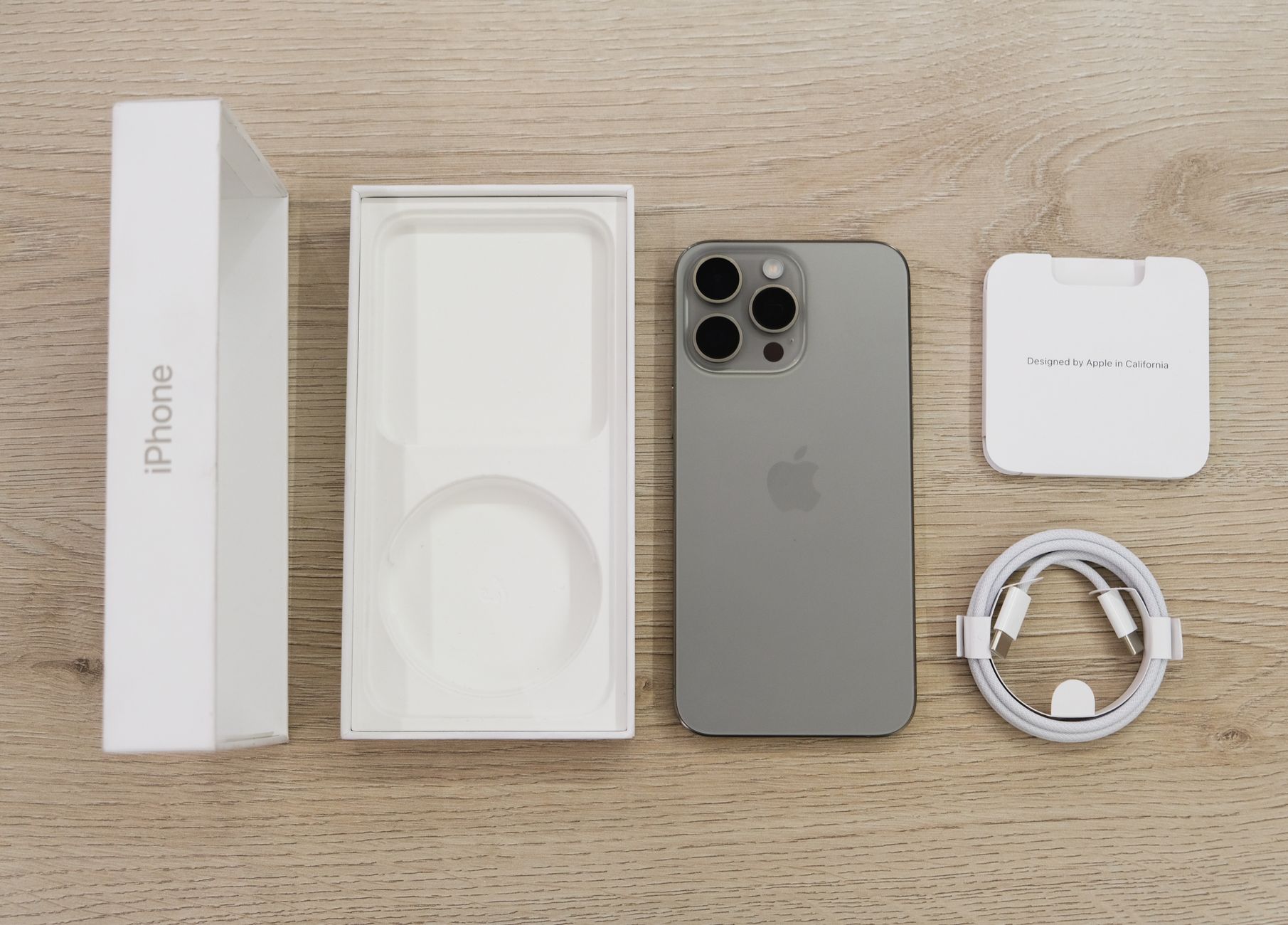
You do not need a receipt, an order number or a notice in the mail to claim $25 or more for an iPhone 16 or iPhone 15 Pro. The claim form for Apple’s $250 million Apple Intelligence settlement asks for one thing that identifies the phone — its serial number, or failing that the Apple Account email and phone number used with it — and the administrator matches that against Apple’s own sales records. Claims opened September 21, 2026 and close December 21, 2026.
Status: Claims open | Claim deadline December 21, 2026 | $25 per iPhone, adjustable up to $95 | Proof of purchase: none | $250,000,000 fund
File a Claim on the Official Settlement Site →
Filing is free and takes a few minutes. Have the phone, or its serial number, in front of you.
Why No Receipt Is Needed
Most product settlements ask the class member to prove the purchase because the company has no idea who bought what. Apple knows. Every iPhone activation ties a serial number to an Apple Account, and the settlement requires Apple to hand the administrator, Verita Global, the purchase records for the seven covered models. The claim form is built around that data: it asks for the serial number so the administrator can look the phone up, not so you can prove you own it.
That is also why the form has a fallback. If the serial number is gone — the phone was traded in, lost, or sold — you check a box and give the Apple Account email address and the phone number that was used with the device during the class period. Those two fields have to be the ones tied to that iPhone at the time, because they are what the administrator matches against.
The serial number is under Settings → General → About on the phone. If you no longer have the phone, sign in to your Apple Account on any device or at account.apple.com and open the device list; a phone that has since been sold still appears there as long as it was never removed from the account. The retail box prints it on the barcode label, and Apple Store and carrier receipts print it on the invoice. The form wants the serial, not the IMEI.
The Two Date Traps
The class is defined by purchase date, not by model year, and both ends of the window catch people.
An iPhone 15 Pro bought at launch does not qualify. The iPhone 15 Pro and 15 Pro Max went on sale in September 2023. The class period starts June 10, 2024, the day Apple announced Apple Intelligence and the new Siri at its developer conference. A 15 Pro bought in the nine months before that date is outside the class, because the claims are about phones sold on the strength of the announcement. Only 15 Pro and 15 Pro Max units bought on or after June 10, 2024 count.
An iPhone 16 bought after March 29, 2025 does not qualify either. The class period closes March 29, 2025, around the time Apple publicly said the personalized Siri features would take longer than planned. An iPhone 16 bought in April 2025 or later — including every iPhone 16 sold since — is outside the class. The iPhone 16e, released in February 2025, is covered only for the five weeks between its launch and March 29.
The standard iPhone 15 and iPhone 15 Plus never ran Apple Intelligence and are not eligible at any purchase date. Neither is anything older, nor the iPhone 17 line. The seven covered models are the iPhone 15 Pro, 15 Pro Max, 16, 16 Plus, 16 Pro, 16 Pro Max and 16e, bought new in the United States by a U.S. resident, for use rather than resale.
One Form per Phone
Payment is per Eligible Device, not per person. A household that bought three covered iPhones in the window files three claims, one serial number each, and is paid three times. The online form is designed for that: submit one, then start another. A business that bought a fleet files a single entity claim signed by an authorized representative and attaches a list of serial numbers, or Apple Account emails and phone numbers, covering every device.
Each claim ends with a declaration that the information is true, that the phone was bought in the United States inside the class period, and that the buyer expected certain Siri Apple Intelligence features and did not receive them. That expectation statement is the substance of the claim — it is what turns a purchase record into a false-advertising claim — and the notice says claims are subject to audit. An incomplete or late claim is rejected and the payment is forfeited.
How Much a Phone Is Worth
The notice fixes the starting figure at $25 per Eligible Device and lets it move in either direction pro rata after fees, costs and service awards come out of the $250 million. The ceiling is $95 per device, which is reached only if few people file. The floor is not stated: if more phones are claimed than the parties assumed, the per-device figure falls below $25.
Plaintiffs’ preliminary approval papers estimated that tens of millions of iPhones fall inside the class definition. Consumer settlements are typically claimed by a small fraction of the class, which is why the notice bothers to state a $95 ceiling at all. Nobody will know the actual figure until the December 21 deadline passes and the administrator finishes validating claims.
Class Counsel’s motion for attorneys’ fees and expenses must be posted on the settlement website by November 17, 2026, five weeks before the claim deadline, so the class can read it before deciding whether to object. The named plaintiffs may ask for service awards of up to $2,000 each.
What Apple Was Accused Of
The lawsuit, Landsheft v. Apple Inc., alleges that Apple marketed the iPhone 16 lineup and the Apple Intelligence-capable iPhone 15 Pro models around a redesigned Siri — one that would understand personal context, act across apps and respond to what was on screen — when those features did not ship with the phones and were later delayed. The claims are brought under consumer protection laws in several states.
Apple denies all of it, denies that it did anything improper or unlawful, and has asserted defenses to every claim. The court has not decided who is right. Judge Noël Wise of the U.S. District Court for the Northern District of California granted preliminary approval on July 17, 2026; the settlement is expressly not an admission of guilt or wrongdoing.
Filing, Opting Out or Objecting
File at the official settlement website, SmartphoneAISettlement.com. Choose individual or business, then choose whether you have a Claim ID and PIN from an email or postcard. Class members Apple’s records identified were sent one and entering it pre-fills the form; everyone else picks the option to file without one and reaches the same form. Enter your contact details, the serial number or the Apple Account fallback, and a payment method — online filers can choose a check, PayPal, Venmo or direct deposit, while a mailed paper form pays by check only. Read the declaration, submit, and repeat for each phone. Keep the confirmation.
Paper claim forms for individuals and for businesses are under Case Documents on the settlement website and must be postmarked by December 21, 2026.
The same date governs the other two choices. A class member who wants to keep the right to sue Apple individually over the same conduct must mail a signed, dated exclusion request postmarked by December 21, 2026; group opt-outs are not allowed, and someone who opts out is paid nothing. A class member who stays in but objects to the terms, the fee request or the service awards files a written objection with the court, electronically or by mail, by the same date. You cannot both opt out and object.
What Happens After December 21
The final approval hearing is set for February 24, 2027 at 9:00 a.m. before Judge Wise in Courtroom 3 of the San Jose courthouse. The court can move the date without further notice to the class; the settlement website carries the current one. If the court approves, payments follow the settlement’s effective date, which arrives only after the appeal period runs or any appeal is resolved. No payment date has been announced, and an appeal by an objector would push the whole schedule back.
This case has nothing to do with the $95 million Apple Siri privacy settlement in Lopez v. Apple, which paid out in January 2026. That case was about Siri recordings; this one is about Siri marketing. Filing in one has no bearing on the other, and an expired Lopez check is handled through a separate reissuance process.
Frequently Asked Questions
Do I need a receipt to file an Apple Intelligence settlement claim?
No. The claim form asks for the iPhone’s serial number, or the Apple Account email address and phone number used with the phone, and the settlement administrator matches that against the purchase records Apple provided. No receipt, order confirmation, Claim ID or mailed notice is required to file online.
Which iPhones qualify for the Apple Intelligence Siri settlement?
The iPhone 15 Pro, 15 Pro Max, 16, 16 Plus, 16 Pro, 16 Pro Max and 16e, bought new in the United States by a U.S. resident between June 10, 2024 and March 29, 2025 for use rather than resale. The standard iPhone 15 and 15 Plus, every older iPhone, and the iPhone 17 line are not eligible, and a 15 Pro bought before June 10, 2024 is outside the class.
How much is each iPhone worth in the Apple Intelligence settlement?
$25 per eligible device is the starting figure. It can rise pro rata to a maximum of $95 per device if few claims are filed, or fall below $25 if more phones are claimed than the parties assumed, after attorneys’ fees, costs and service awards come out of the $250 million fund. The final figure is set only after the December 21, 2026 deadline.
Can I claim for more than one iPhone?
Yes. Payment is per eligible device. An individual files a separate claim form for each phone, one serial number per form. A business files one entity claim signed by an authorized representative and attaches a list covering every eligible device it bought.
What is the deadline for the Apple Intelligence settlement?
December 21, 2026. Online claims must be submitted and paper claims postmarked by that date. It is also the last day to opt out of the settlement or to object to it. The final approval hearing is February 24, 2027.
When will Apple Intelligence settlement checks go out?
No payment date has been announced. Payments can only be sent after the court grants final approval at the February 24, 2027 hearing and after any appeal is resolved. Online filers can choose PayPal, Venmo, direct deposit or a check; mailed paper claims are paid by check.
Sources
- Official settlement website — Smartphone AI Settlement, administered by Verita Global, LLC, including the online claim form, the individual and entity paper claim forms and the long-form notice.
- Court-approved long-form notice in Landsheft, et al. v. Apple Inc., Case No. 5:25-cv-02668-NW, U.S. District Court for the Northern District of California, San Jose Division, for the class definition, the seven Eligible Devices, the class period, the $250 million Total Settlement Amount, the $25 per-device payment and $95 cap, the December 21, 2026 deadlines and the February 24, 2027 hearing.
- Order granting preliminary approval, entered July 17, 2026, Hon. Noël Wise.
- OpenClassActions.com — Apple $250M Apple Intelligence Siri Settlement, and its May 2026 report on how the settlement came together.
Source and credit: the settlement terms, deadlines and benefit tiers described above are drawn from our sister site’s reporting — OpenClassActions.com: Apple $250M Apple Intelligence Siri Settlement — $25 to $95 per Device — which tracks this case against the court-approved notice and the official settlement website and is updated as the court rules.
Legal Disclaimer
This article is for informational purposes only and is not legal advice. OpenClassActions.org is a consumer news site, not a law firm and not the settlement administrator, and is not affiliated with any party to the case described. The allegations are allegations; the defendants deny wrongdoing and no court has decided the merits. Deadlines, benefit amounts and payment timing can change as the court and the administrator act, so confirm current status on the official settlement website. You never need to pay anyone to file a claim or to receive a settlement payment.